
Ücretsiz 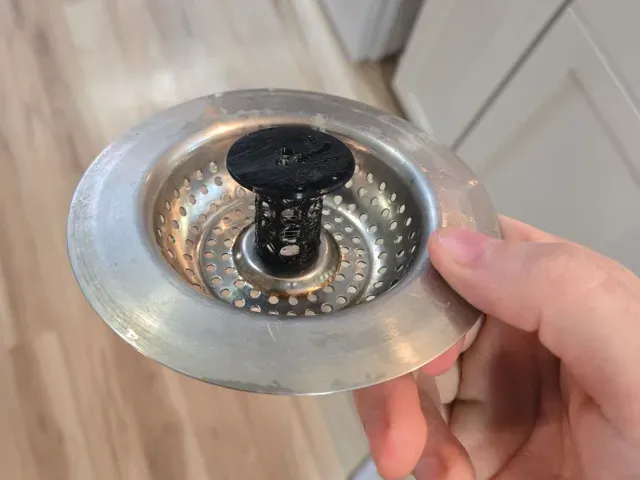
TPU Aerator for SinkShroom Sink Strainer
MakerWorld
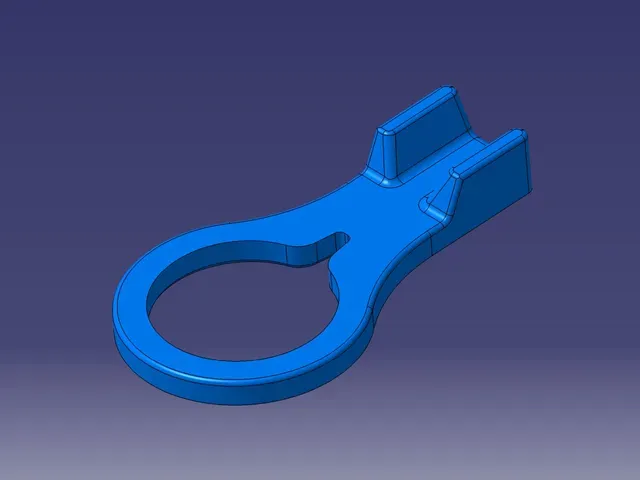
This collection gathers STL files for the small parts that sit at the end of a tap or over a drain: aerator inserts, removal keys, sink strainers and filter screens. Most of them are simple shapes, so they print quickly and are easy to reprint when a thread or mesh wears out. It is useful when an original part is missing, cracked or an odd size that is hard to match. Polyzon does not confirm whether models are free, their price, license, official status, affiliation, safety or fitness. Check the current terms at the source.
Bu koleksiyonun metni İngilizce; arama ise her dilde çalışır.
 Bir Polyzon koleksiyonu · 47 model 6 siteden
Polyzon bu koleksiyonu bağlı sitelerdeki arama sonuçlarından oluşturur. Tekrarlar ve önizlemesi olmayan modeller çıkarılır, zayıf eşleşmeler sona alınır, geri kalanlar arama sırasını korur. Modeller yazarlarına aittir; her modelin sayfasındaki koşulları kontrol edin.
Seçim kuralları: Polyzon editör ekibi · Metin güncellendi: 10.10.2026


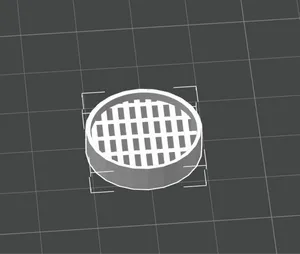
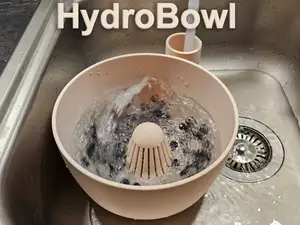
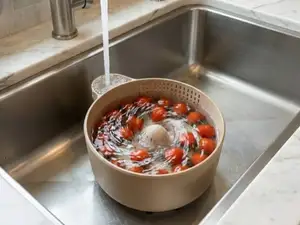
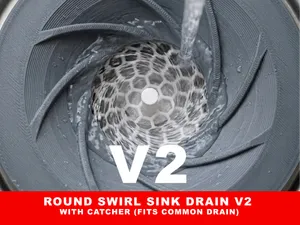
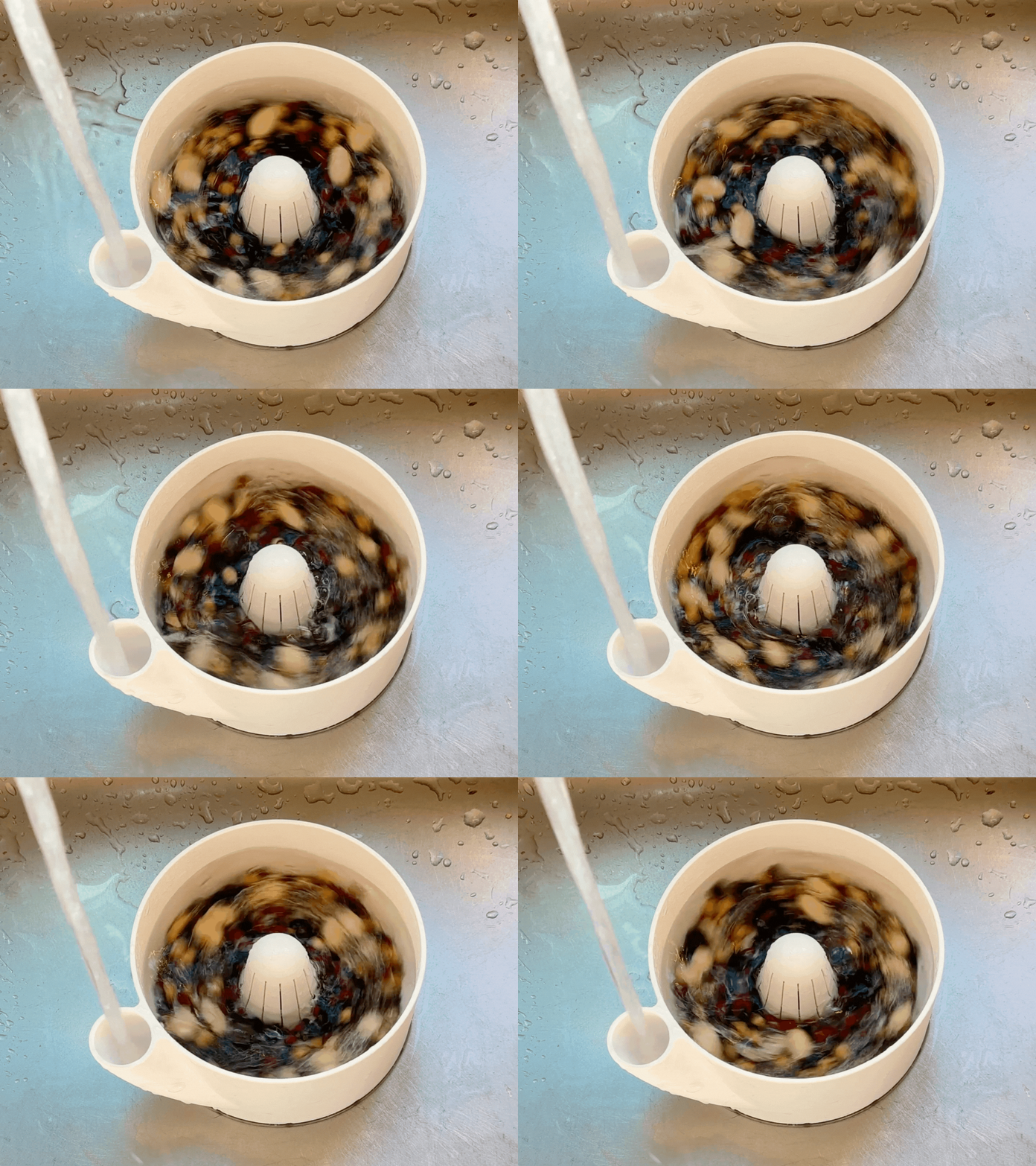

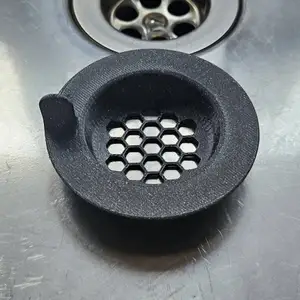
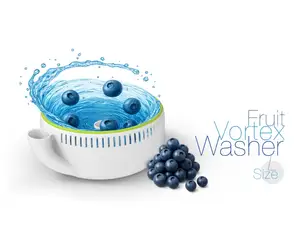
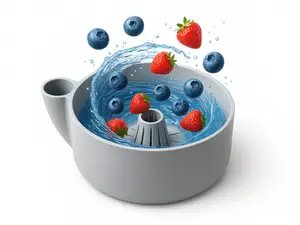

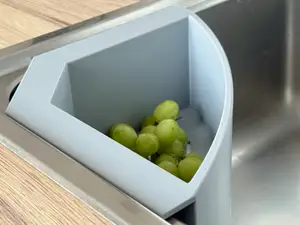
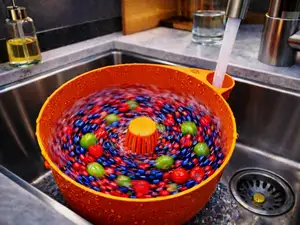

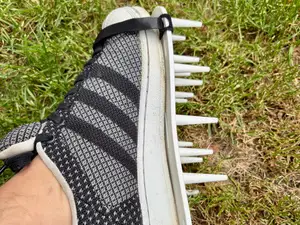
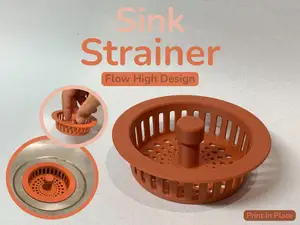
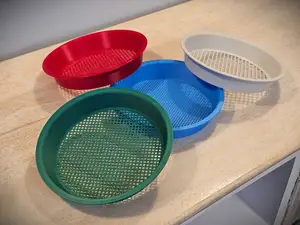
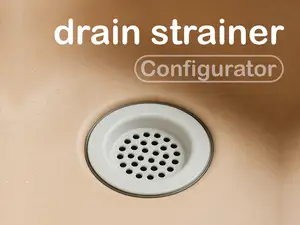
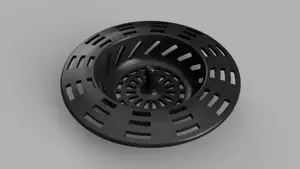
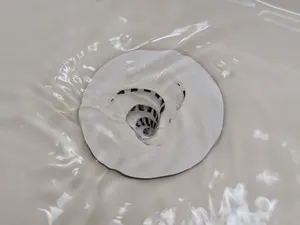
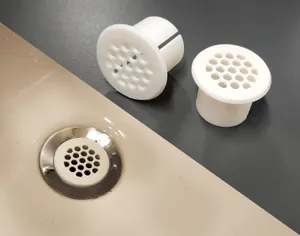
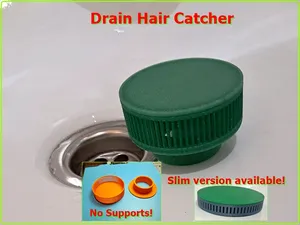


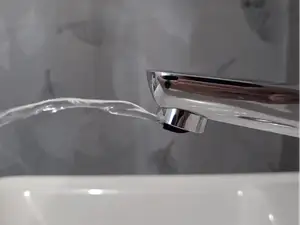

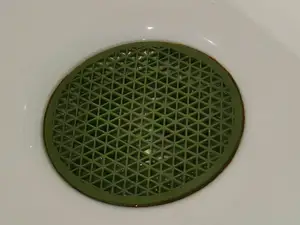
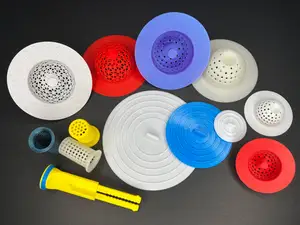
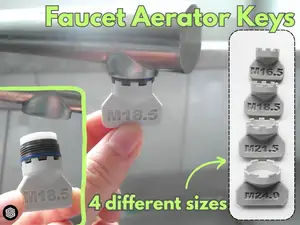

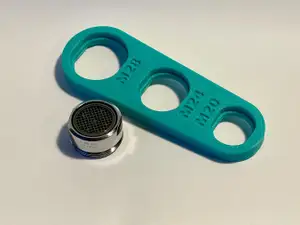

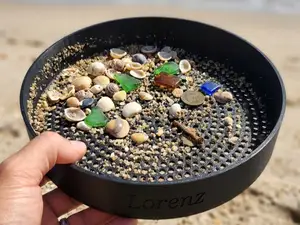
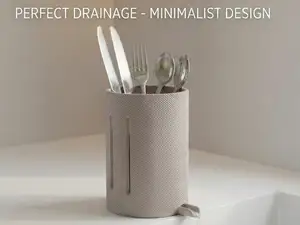
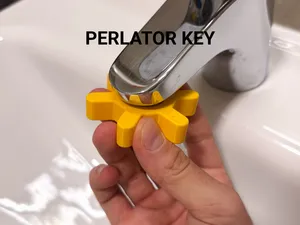
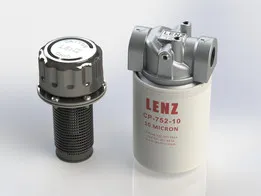
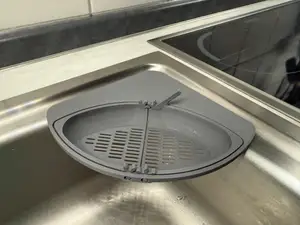

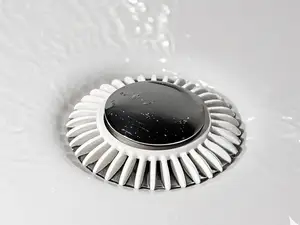
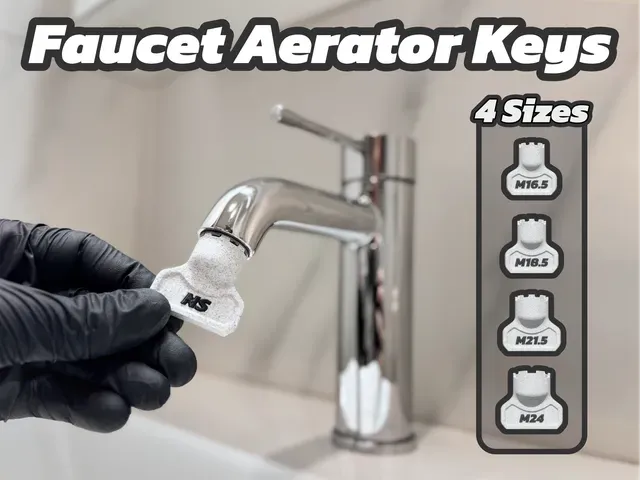
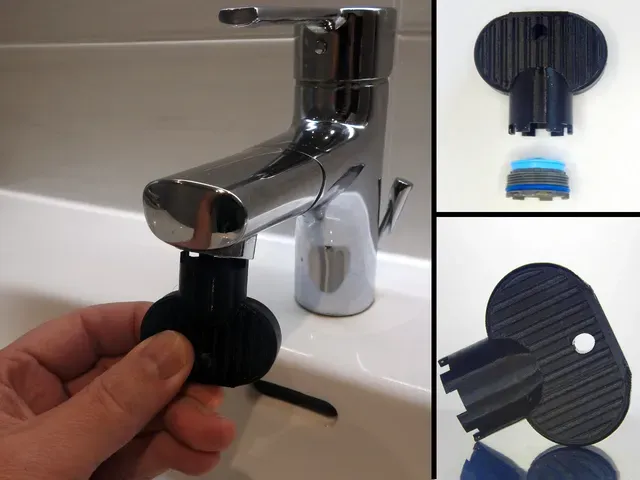
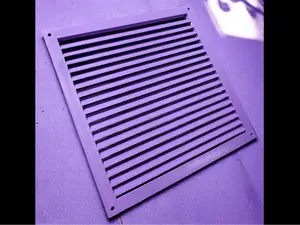
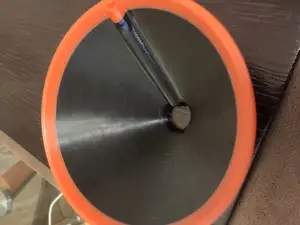
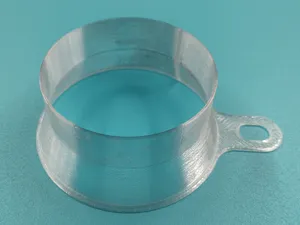
The models fall into a few groups. Faucet aerator parts include the threaded insert that mixes air into the water stream and the outer nozzle housing, often listed with a diameter in the title. Aerator keys are the small slotted tools used to unscrew a recessed aerator, sometimes grouped in sets of several sizes. Drain strainers cover kitchen sink baskets and flat sieve inserts, while aquarium and aquaponics entries include overflow screens, water-change strainers and filter lift tubes. A further group is parametric: configurable strainer files where the diameter, hole pattern or grid spacing is set before export.
Before printing, compare the model against the part you are replacing. Measure the thread diameter and pitch of the faucet, the inner diameter of the drain opening and the depth available under the rim, since a few millimetres decide whether a part seats properly. On the model page, look at the number of parts, whether the author oriented the mesh to avoid supports, and the layer height and material listed. Photos of real prints are the most useful guide to how thin walls and small holes come out on a home machine.
If the first search gives little, try other names for the same object: aerator insert, tap nozzle, faucet filter, tap key, drain sieve, hair catcher, sink basket, overflow screen, sprouting lid. Adding a size or a context narrows results quickly, for example a diameter, a thread callout, or words such as kitchen, bathroom, aquarium or aquaponics. Related topics worth opening are faucet repair parts, plumbing adapters and filter meshes, which often share the same thread standards.



Ev ve günlük yaşamdan CNC'ye kadar tüm konuların kataloğu; bağlı sitelerin hepsinde arama yapabilirsiniz.