
Ücretsiz 
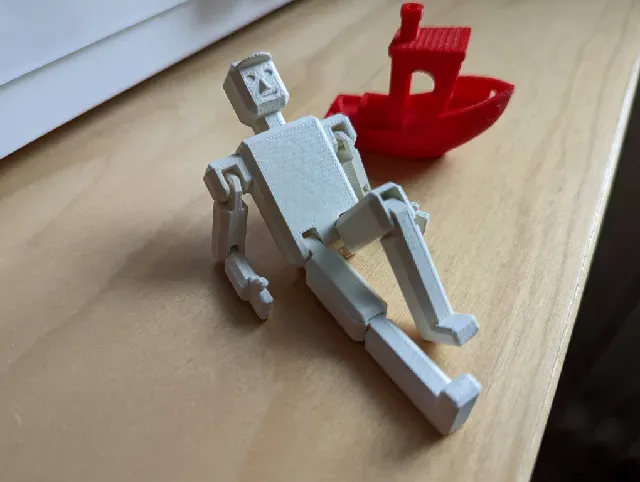
Nutbolt Reinforced Joint Action Figure A.D.A.M 0 (ARTICULATED DOLL ACTIONFIGURE MODEL 0) - NUTBOLT TYPE - ACTION FIGURE VER.04
Thingiverse
This collection gathers articulated doll 3D models: figures that move at the joints, from single-piece print-in-place designs to ball-jointed dolls that are assembled after printing. It is useful if you want a poseable figure for a shelf, a desk or a keyring, and you are ready to compare how each one is put together before starting a 3D print. Polyzon does not confirm whether models are free, their price, license, official status, affiliation, safety or fitness. Check the current terms at the source.
Bu koleksiyonun metni İngilizce; arama ise her dilde çalışır.
 Bir Polyzon koleksiyonu · 48 model 9 siteden
Polyzon bu koleksiyonu bağlı sitelerdeki arama sonuçlarından oluşturur. Tekrarlar ve önizlemesi olmayan modeller çıkarılır, zayıf eşleşmeler sona alınır, geri kalanlar arama sırasını korur. Modeller yazarlarına aittir; her modelin sayfasındaki koşulları kontrol edin.
Seçim kuralları: Polyzon editör ekibi · Metin güncellendi: 14.10.2026

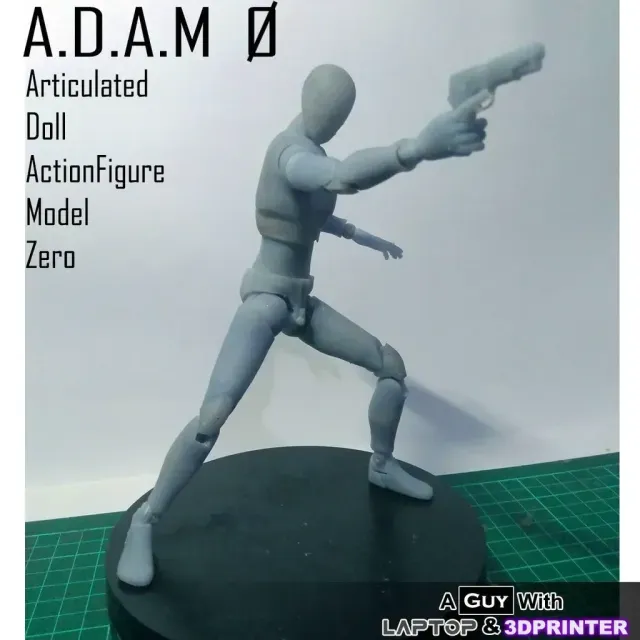




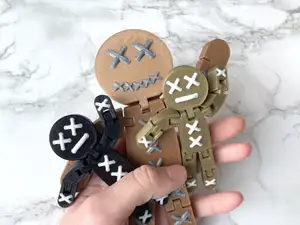
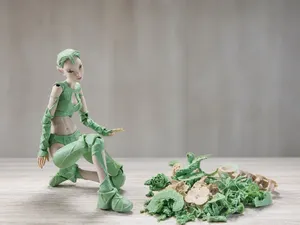
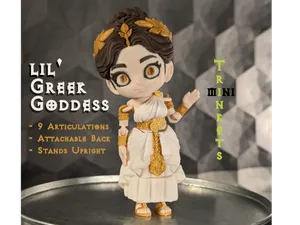





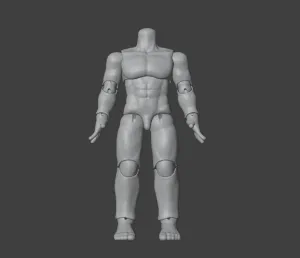



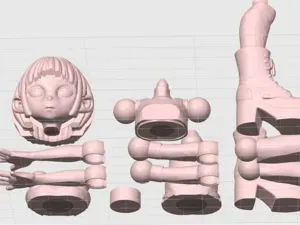


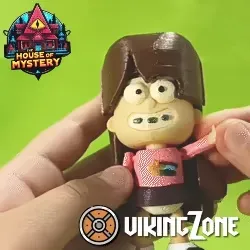


The range splits into a few practical groups. Print-in-place dolls come off the plate already jointed, while ball-jointed versions are printed as separate parts and held together with elastic cord or pins. Alongside them sit character and fandom figures, small pocket-sized toys, and animal or creature dolls where the same joint logic is applied to a different body shape.
Before printing, open the author's model page and read what it states: finished size and scale, the number of parts, whether supports are needed, and the material and settings the author lists. Joint clearance is the detail that decides whether a figure moves after printing, so check the recommended layer height and any notes on orientation. Photos of real prints are the quickest way to judge how the joints sit and how the parts fit together.
If the results feel narrow, try related wording: ball-jointed doll, BJD, flexi, print-in-place, action figure, poseable figure, or chibi. Searching by body type, joint style or theme — fantasy, animal, robot — usually turns up models that a single phrase misses. Combining a joint term with a subject term is often more productive than one broad query.
Some designs are scaled for a keyring and others for a display shelf, so decide the target size first and then look for a model that matches it. Assembly method matters too: elastic-strung dolls need cord and patience, snap-fit and pin joints need clean holes, and single-piece prints need a well-tuned first layer. Check the author's notes on these points before committing filament or resin to a larger version.


Ev ve günlük yaşamdan CNC'ye kadar tüm konuların kataloğu; bağlı sitelerin hepsinde arama yapabilirsiniz.