
Ücretsiz 
Silicone bait mold
Thingiverse
This collection gathers printable forms used to cast soft fishing lures at home. It covers single-cavity molds shaped like fish, worms and creatures, as well as modular and centrifugal versions. Files are meant for a 3D printer, so the cavity geometry and the way the halves join matter more than the outer shell. Polyzon does not confirm whether models are free, their price, license, official status, affiliation, safety or fitness. Check the current terms at the source.
Bu koleksiyonun metni İngilizce; arama ise her dilde çalışır.
 Bir Polyzon koleksiyonu · 48 model 8 siteden
Polyzon bu koleksiyonu bağlı sitelerdeki arama sonuçlarından oluşturur. Tekrarlar ve önizlemesi olmayan modeller çıkarılır, zayıf eşleşmeler sona alınır, geri kalanlar arama sırasını korur. Modeller yazarlarına aittir; her modelin sayfasındaki koşulları kontrol edin.
Seçim kuralları: Polyzon editör ekibi · Metin güncellendi: 10.10.2026

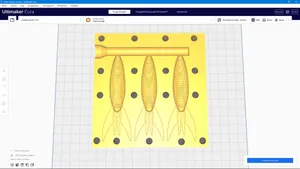
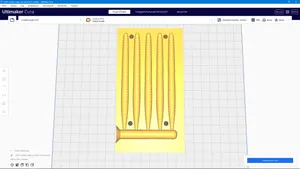
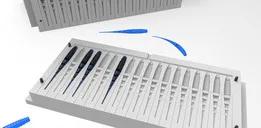
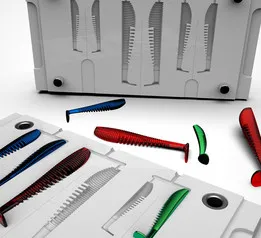

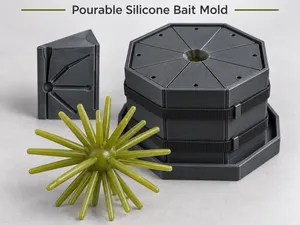
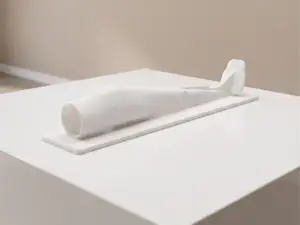


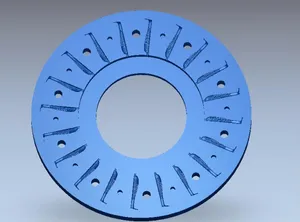
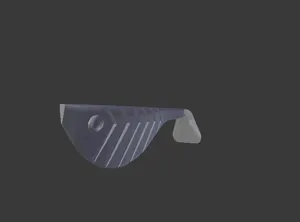
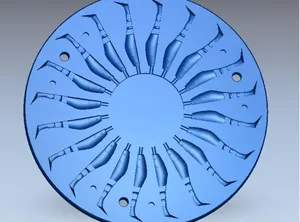

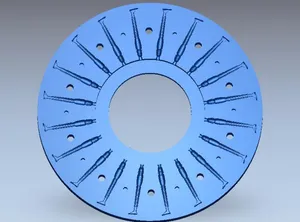
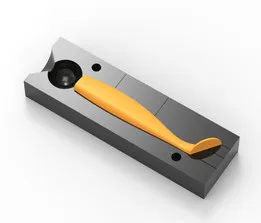
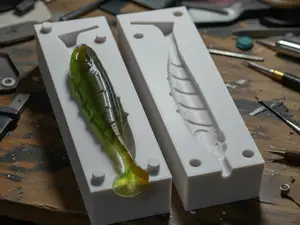


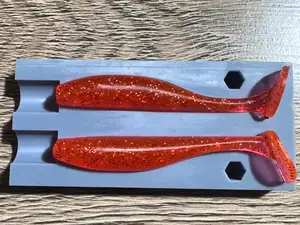
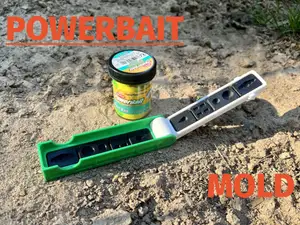
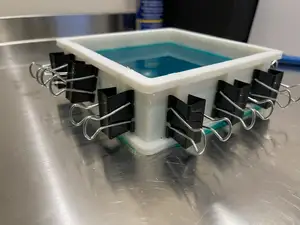

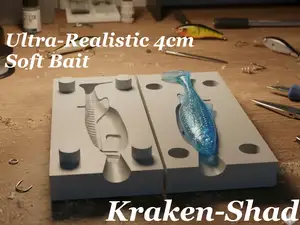
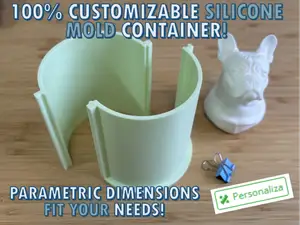

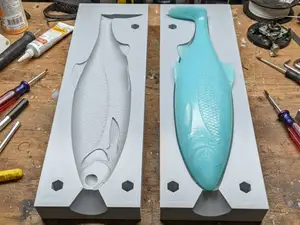

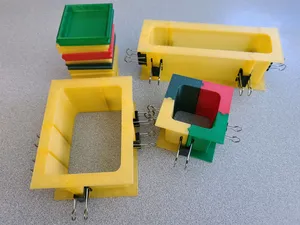
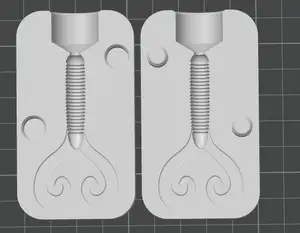
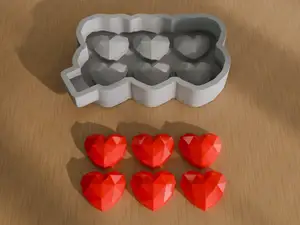

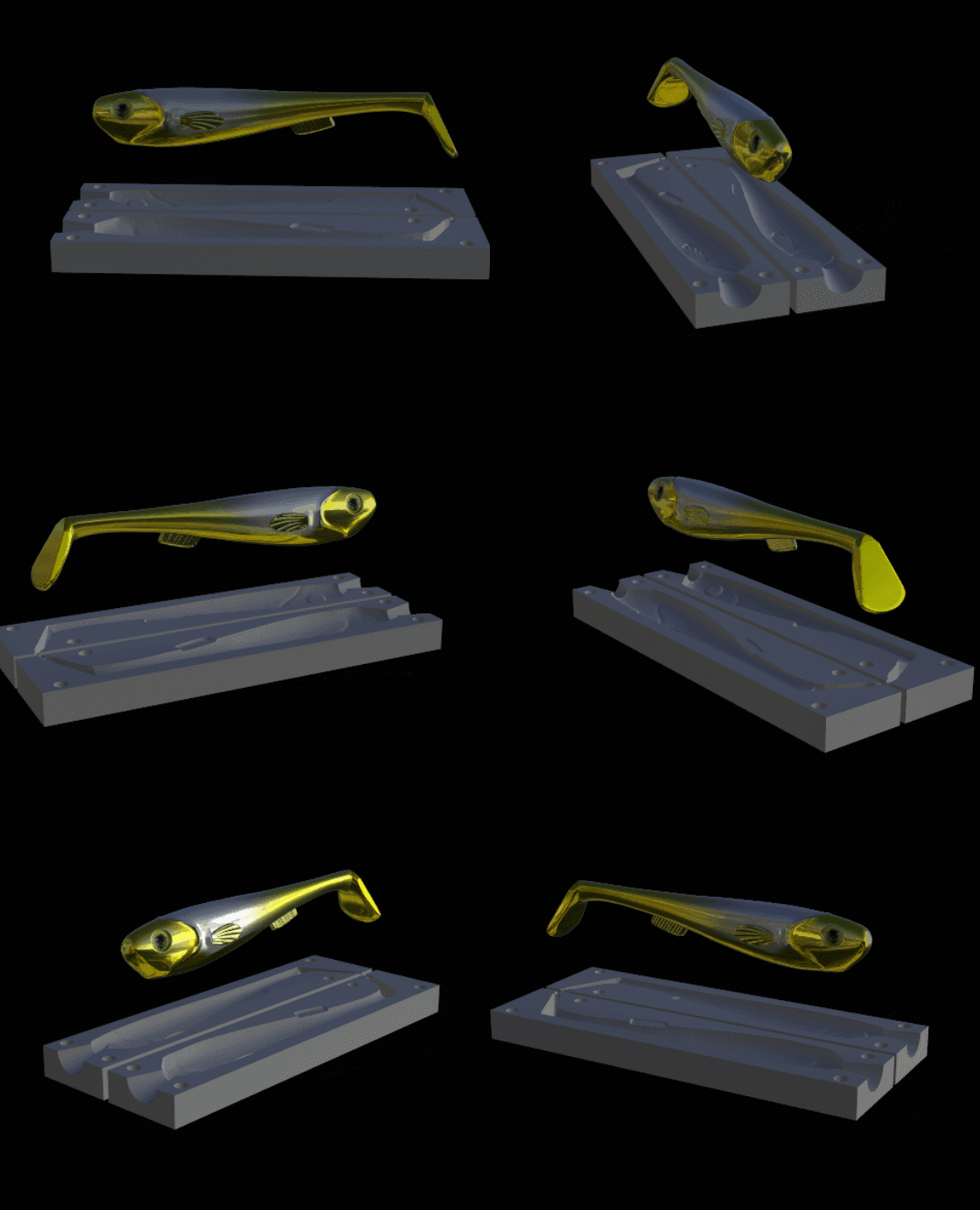

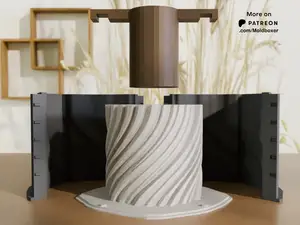



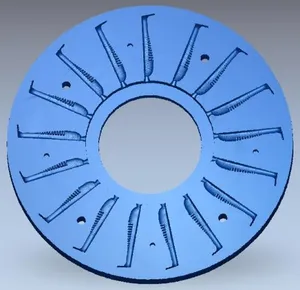
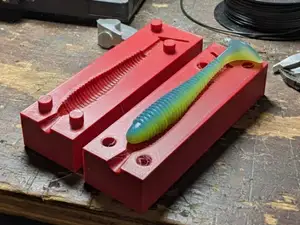
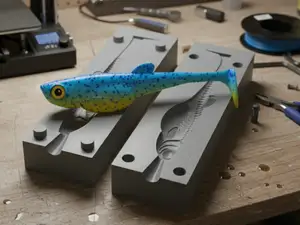
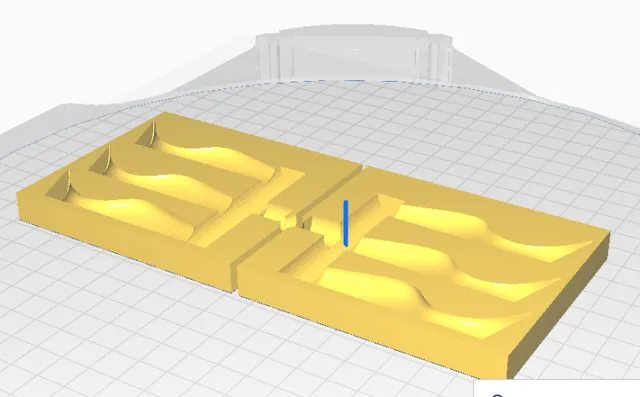
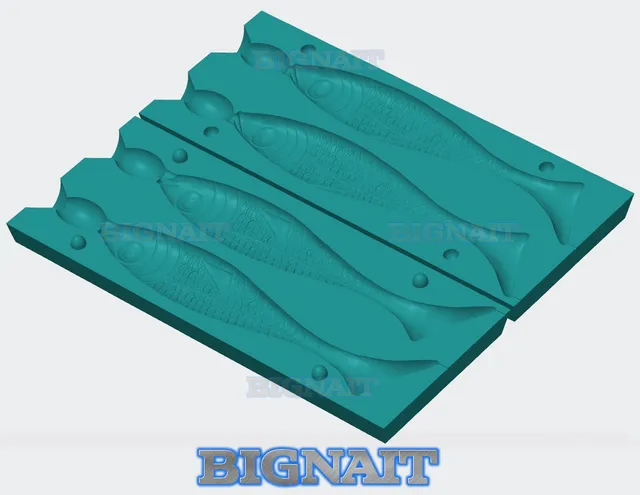
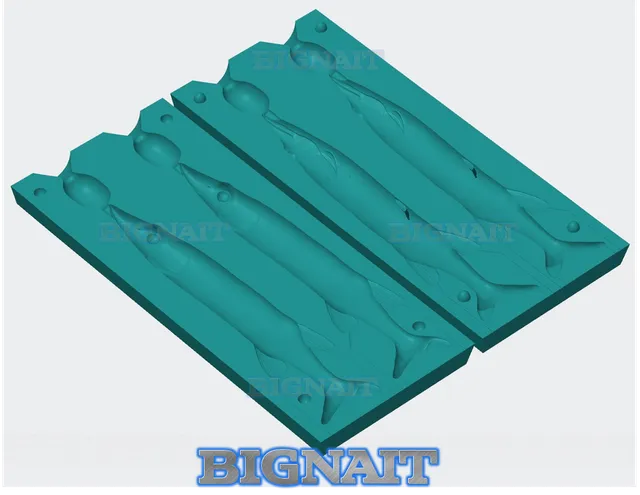
The forms differ mainly in cavity shape and in how many baits one casting yields. Some reproduce a fish body with a tail and fins, others a worm-like or segmented profile, and a few follow the silhouette of a known prey fish. Centrifugal versions are built so the material is pushed into thin tails while the mold spins, and modular sets let you swap inserts instead of printing a whole new form. A separate group covers molds for soft covers that slip over hot ends rather than lures.
When picking a file, look at the wall thickness around the cavity, the number of cavities, and how the two halves register against each other. Check whether the author describes a sprue or pouring channel, vents for trapped air, and the material and temperature range the mold was made for. Photos of actual casts are more informative than renders, because they show seam lines and how well thin parts fill. Also note whether the model is intended for resin printing, which gives smoother cavities, or for filament printing, which is easier on large blocks.
To widen the results, try wording such as lure mold, bait casting form, soft plastic mold, two-part mold, or master model for a mold. Related searches include plastisol, jig heads, hooks, and centrifugal casting, since these often appear alongside the same files. If you already have a shape in mind, search for the body type instead of the fishing term, for example worm, shad, or creature bait. Combining a shape word with a casting word usually narrows the list fastest.


Ev ve günlük yaşamdan CNC'ye kadar tüm konuların kataloğu; bağlı sitelerin hepsinde arama yapabilirsiniz.