

Ücretsiz 
Death Star Ice Mold
Thingiverse
This collection gathers 3D models for ice molds, from simple cube trays to spheres, glass shapes and novelty forms. The files are meant for 3D printing at home, so the same model can often be reused for soap, candles or cast parts. Browsing it helps you compare how different molds are built before you commit to a print. Polyzon does not confirm whether models are free, their price, license, official status, affiliation, safety or fitness. Check the current terms at the source.
Bu koleksiyonun metni İngilizce; arama ise her dilde çalışır.
 Bir Polyzon koleksiyonu · 48 model 4 siteden
Polyzon bu koleksiyonu bağlı sitelerdeki arama sonuçlarından oluşturur. Tekrarlar ve önizlemesi olmayan modeller çıkarılır, zayıf eşleşmeler sona alınır, geri kalanlar arama sırasını korur. Modeller yazarlarına aittir; her modelin sayfasındaki koşulları kontrol edin.
Seçim kuralları: Polyzon editör ekibi · Metin güncellendi: 14.10.2026






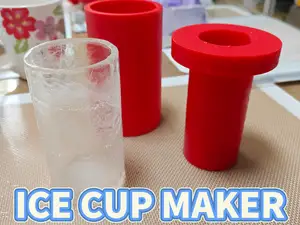


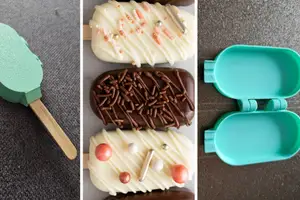


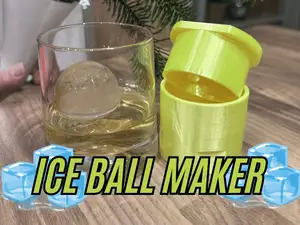


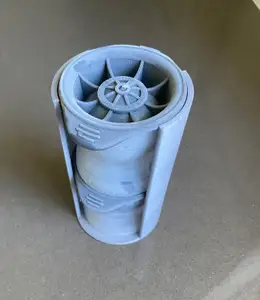
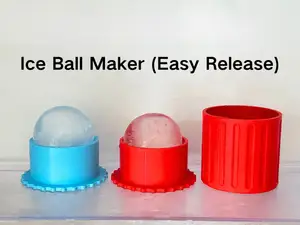


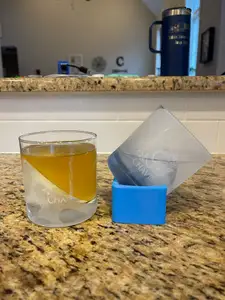





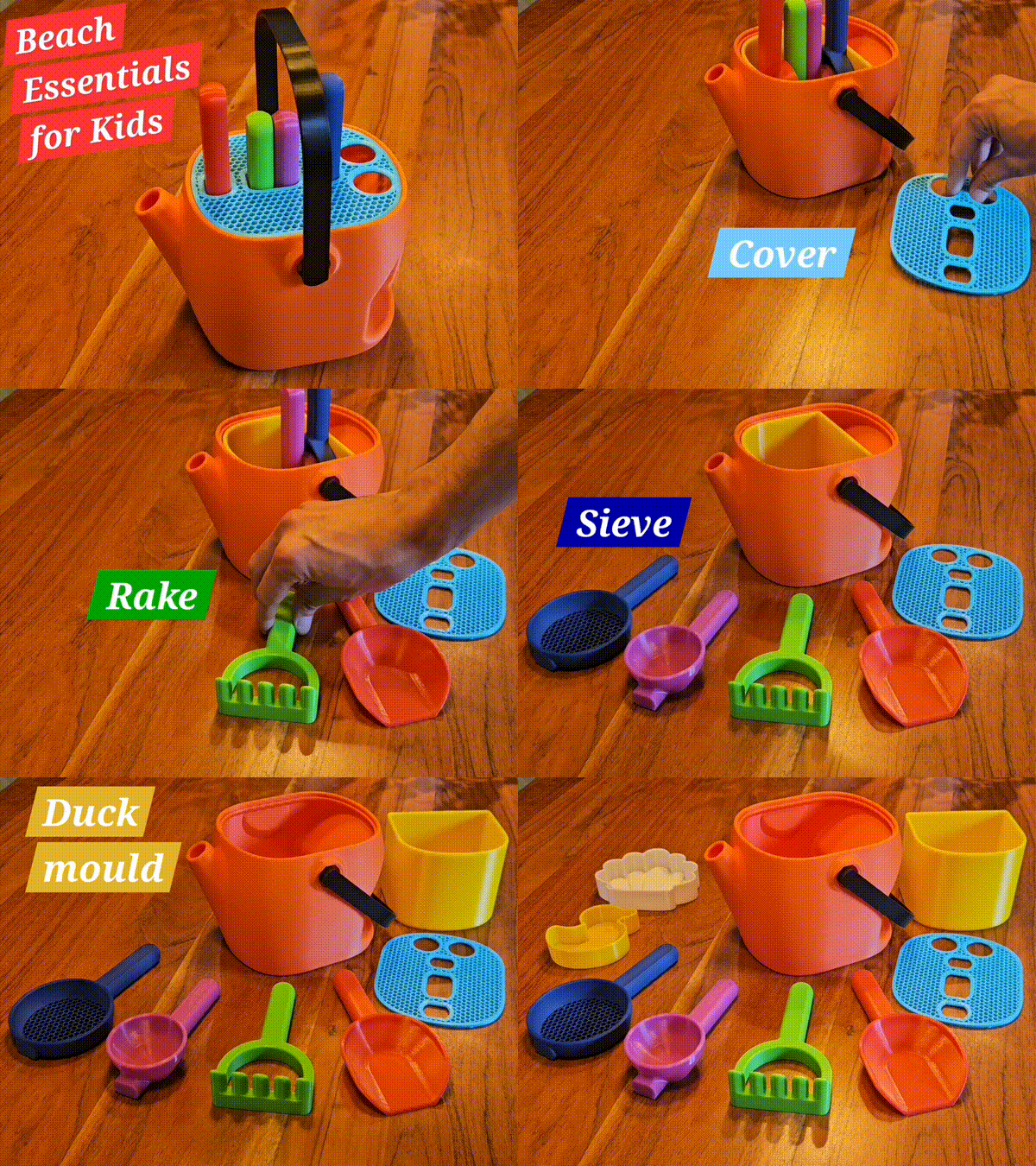





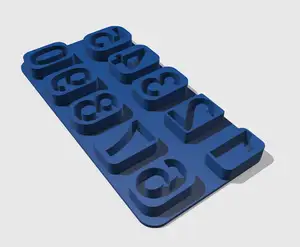
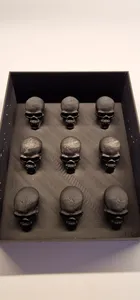


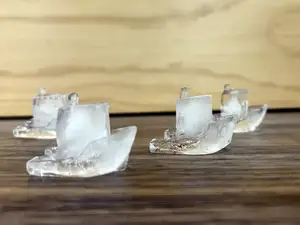
The range is wider than a plain tray. There are single-cavity molds for one large piece, multi-cavity trays, and two-part molds that close around the cavity. Some designs copy a familiar object, such as a glass or a small boat, while others are geometric or animal shapes. Molds built for soap and candles appear in the same results because the geometry works the same way.
When choosing a model, look at the wall thickness, the draft angle of the cavity and how the halves join. A mold printed in one piece needs a flexible filament to release the ice; rigid two-part molds rely on clamps or registration pins instead. Check the number of parts, whether supports are needed, and the material and layer settings the author lists. Photos of real prints on the model page show how the surface and the seams come out.
To narrow the search, try synonyms such as ice tray, ice cube maker, ice sphere or silicone mold, and add the shape you want, for example skull, hexagon or honeycomb. Related topics include soap molds, chocolate molds and resin casting molds, which share the same cavity geometry. Combining a shape word with a mold word usually gives the shortest path to a usable file.
Printing a mold is mostly about release and finish. Layer lines transfer to the ice surface, so a finer layer height and some post-processing change the look of the finished piece. Thin walls cool faster and can crack when the water expands, while thicker walls take longer to freeze. If the model has a lid or a plug, test the fit before filling it.
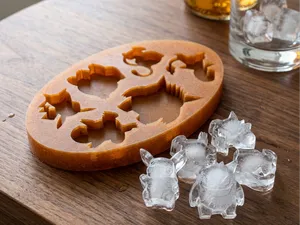


Ev ve günlük yaşamdan CNC'ye kadar tüm konuların kataloğu; bağlı sitelerin hepsinde arama yapabilirsiniz.

