Ücretsiz 
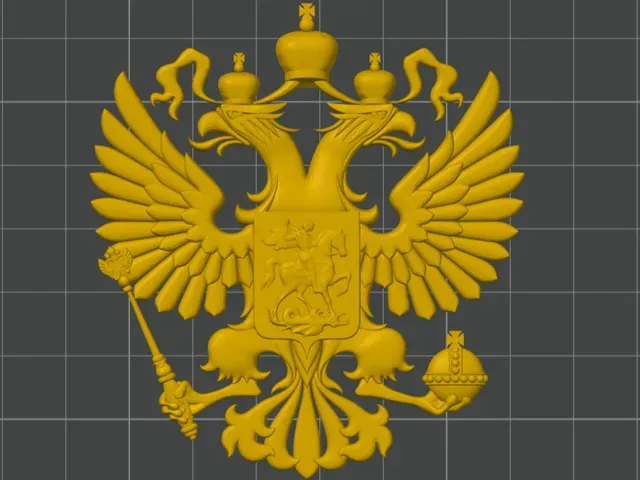
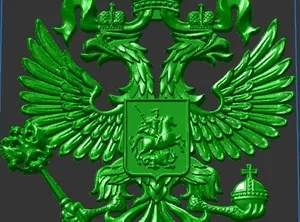
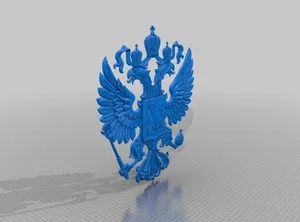
Coat of Arms of the Russian Federation
MakerWorld
This collection gathers 3D models built around coats of arms — national emblems, Soviet-era versions, city heraldry and simplified shield shapes. Most files are flat reliefs or medallions, so they work well as a first project on a 3D printer or as a test of fine detail. The list mixes decorative pieces with practical items such as cookie cutters and magnets, which is useful when you want a single heraldic motif in several formats. Polyzon does not confirm whether models are free, their price, license, official status, affiliation, safety or fitness. Check the current terms at the source.
Bu koleksiyonun metni İngilizce; arama ise her dilde çalışır.
 Bir Polyzon koleksiyonu · 48 model 11 siteden
Polyzon bu koleksiyonu bağlı sitelerdeki arama sonuçlarından oluşturur. Tekrarlar ve önizlemesi olmayan modeller çıkarılır, zayıf eşleşmeler sona alınır, geri kalanlar arama sırasını korur. Modeller yazarlarına aittir; her modelin sayfasındaki koşulları kontrol edin.
Seçim kuralları: Polyzon editör ekibi · Metin güncellendi: 12.10.2026
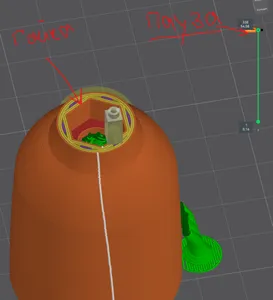


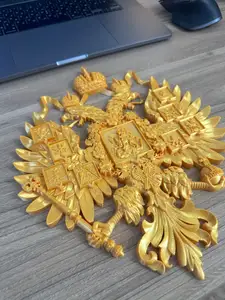
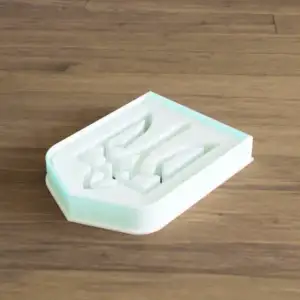


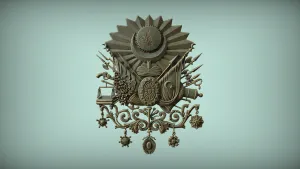
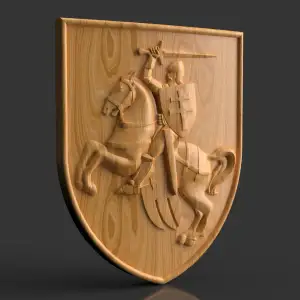
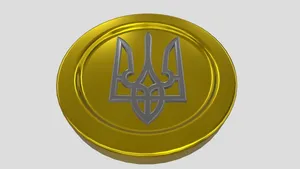
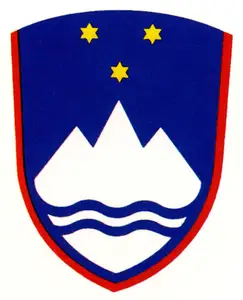

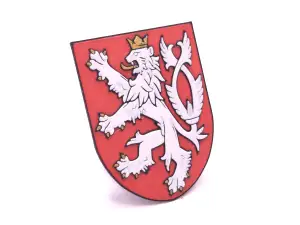
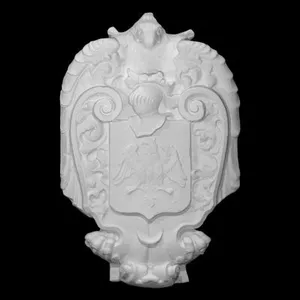
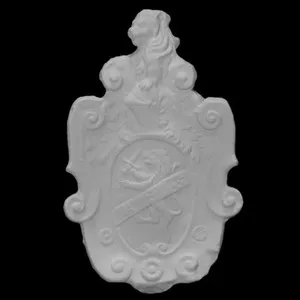



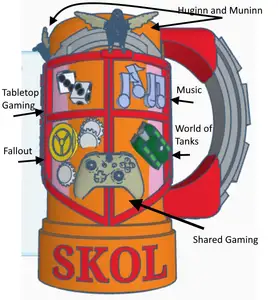
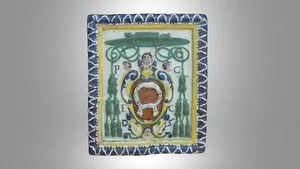
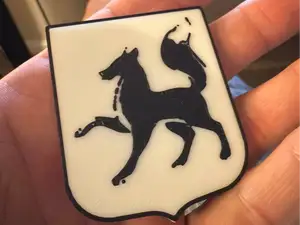
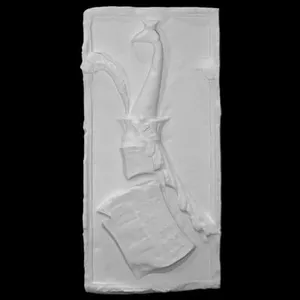

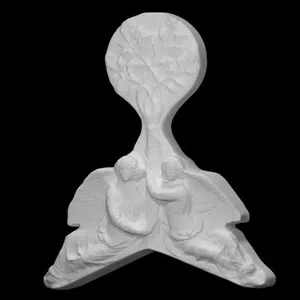
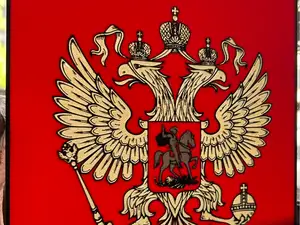
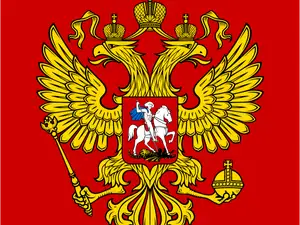




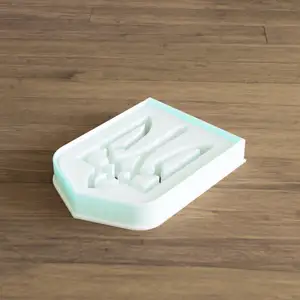
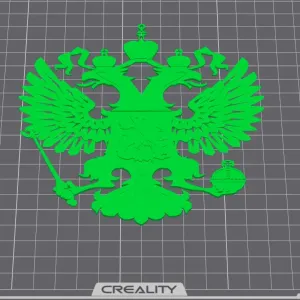


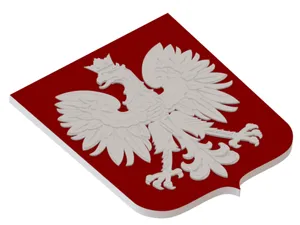
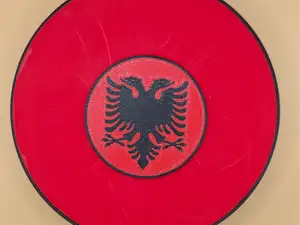
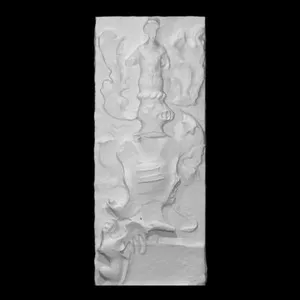
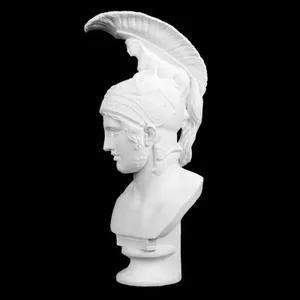
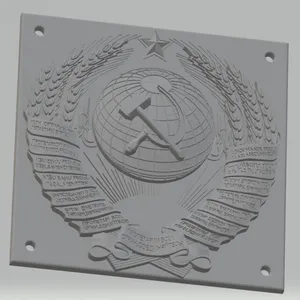
The models fall into a few groups. National and city coats of arms usually come as a relief panel or a shield-shaped plaque, sometimes with a stand or a hole for hanging. Soviet-era emblems and older heraldic compositions tend to have more separate elements — ribbons, wreaths, figures — while modern emblems are often a compact silhouette. Smaller items such as cookie cutters, magnets and keychain-sized shields reuse the same outline in a much thinner form.
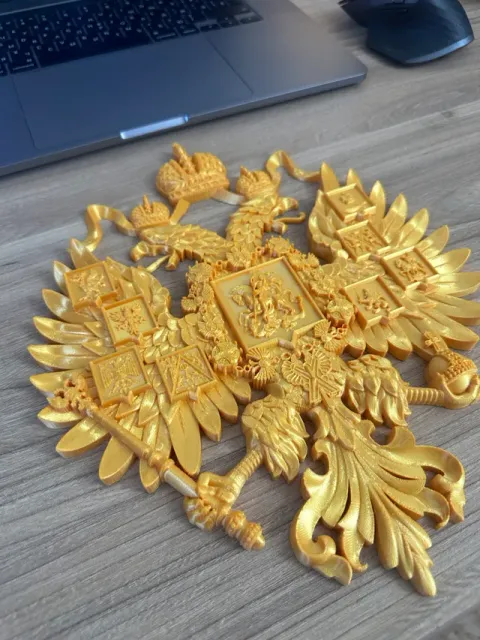
When you open a model page, look at the overall size and scale first, since a heraldic panel can range from a few centimetres to a wall piece. Check how many parts the author lists and whether they are printed separately and glued, and whether the file needs supports for overhanging elements like crowns, wings or ribbons. The material and settings the author mentions matter for thin lines: small nozzles and layer heights preserve the fine edges of a double-headed eagle or a trident, while thicker layers blur them. Photos of real prints show how the details survive in practice.
If the results feel narrow, try related wording. Heraldry, emblem, crest, blazon and shield describe the same kind of object, and city names or country names narrow the list to one region. You can also search by use: wall plaque, medallion, magnet, cookie cutter, CNC relief or keychain. Combining a motif with a format — for example a coat of arms as a two-colour print or a low-relief panel — usually brings up files that a single keyword misses.
Ev ve günlük yaşamdan CNC'ye kadar tüm konuların kataloğu; bağlı sitelerin hepsinde arama yapabilirsiniz.