Ücretsiz 
3D Printable Jet Engine
Thingiverse
This collection gathers jet engine STL designs ranging from static turbofan replicas and scale nacelles to working compressed-air demonstrators and compact desk accessories. You can filter results to match your 3D printer's build volume and assembly preferences. The models vary from simple display pieces to multi-part mechanical kits that require careful orientation and support planning. Polyzon does not confirm whether models are free, their price, license, official status, affiliation, safety or fitness. Check the current terms at the source.
Bu koleksiyonun metni İngilizce; arama ise her dilde çalışır.
 Bir Polyzon koleksiyonu · 48 model 6 siteden
Polyzon bu koleksiyonu bağlı sitelerdeki arama sonuçlarından oluşturur. Tekrarlar ve önizlemesi olmayan modeller çıkarılır, zayıf eşleşmeler sona alınır, geri kalanlar arama sırasını korur. Modeller yazarlarına aittir; her modelin sayfasındaki koşulları kontrol edin.
Seçim kuralları: Polyzon editör ekibi · Metin güncellendi: 09.10.2026


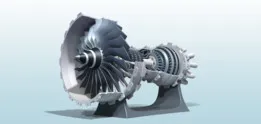

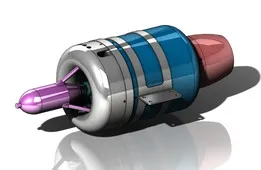

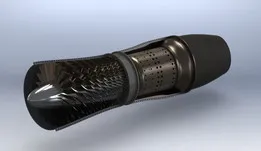
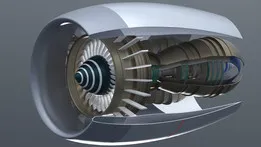
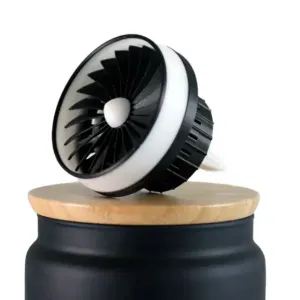
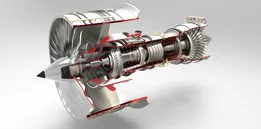

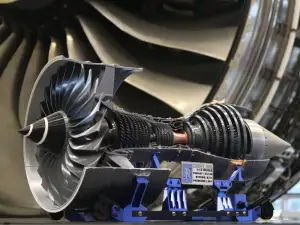
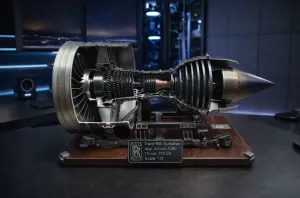


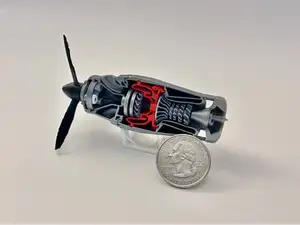

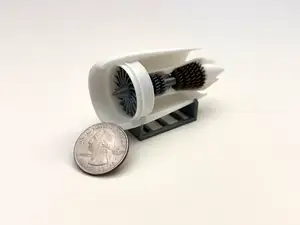
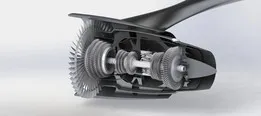


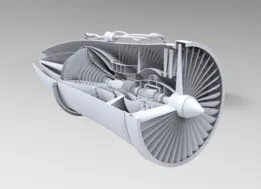

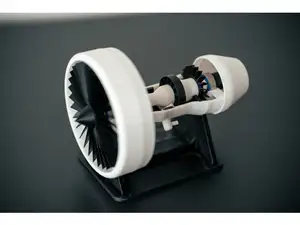
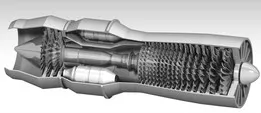
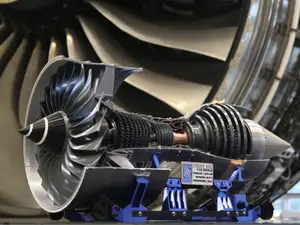
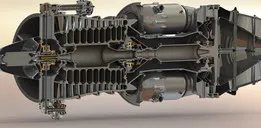

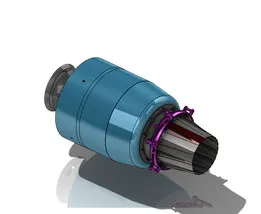

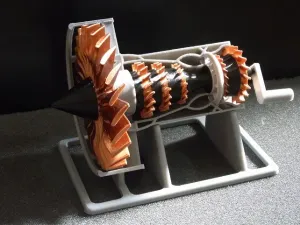
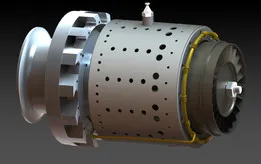

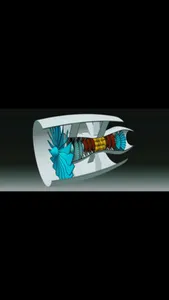

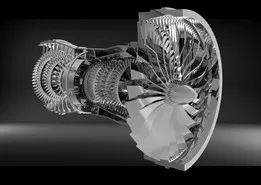
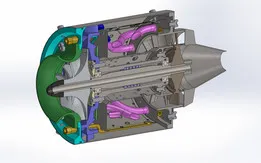

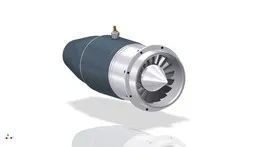

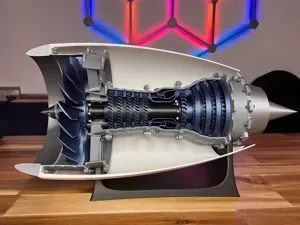
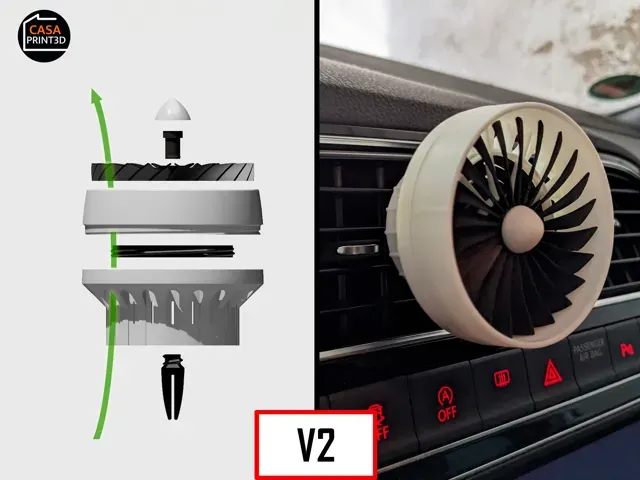
Static replicas reproduce the external shape of high-bypass turbofans and iconic nacelles, usually split into multiple parts for easier bed sizing. Working demonstrators often include internal rotor assemblies designed to spin with compressed air, demanding tighter tolerances and more post-print fitting. Smaller accessories like vent-mounted diffusers or desk miniatures prioritize compactness over mechanical detail and typically print as fewer parts.
Before starting a build, check the author's model page for the overall dimensions, number of components, and recommended assembly order. Look at whether the author notes if supports are needed for overhangs such as fan blades or exhaust cones, and review the material and layer-height settings they suggest. Photos of real prints help you judge surface finish and whether tolerances look achievable on your machine.
If you want a different scope, try synonyms and related terms such as turbofan, axial compressor, afterburner, or turbine nacelle. Adding keywords like scale model, working, or RC can narrow results to functional or display-oriented designs. You can also broaden the search to aircraft engine or jet turbine if you are interested in variations beyond standard bypass configurations.




Ev ve günlük yaşamdan CNC'ye kadar tüm konuların kataloğu; bağlı sitelerin hepsinde arama yapabilirsiniz.