Ücretsiz 
Bowden Tube Clip
Thingiverse
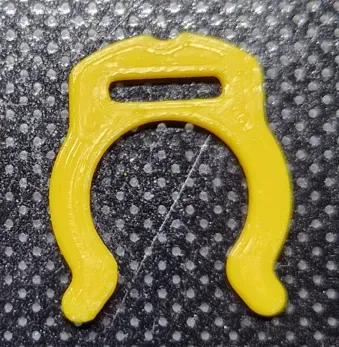
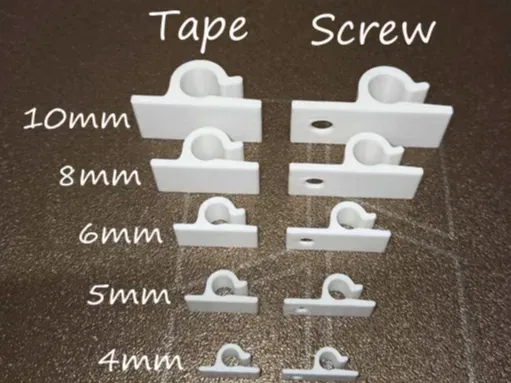
This collection gathers 3D models for clips that hold 8 mm tubing, from Bowden and PTFE guides to pipe, conduit and cable clamps. Most are small parts that can be printed on any common 3D printer and used to route lines along a frame, panel or machine. The STL files differ mainly in how they grip the tube and how they are fastened. Polyzon does not confirm whether models are free, their price, license, official status, affiliation, safety or fitness. Check the current terms at the source.
Bu koleksiyonun metni İngilizce; arama ise her dilde çalışır.
 Bir Polyzon koleksiyonu · 47 model 4 siteden
Polyzon bu koleksiyonu bağlı sitelerdeki arama sonuçlarından oluşturur. Tekrarlar ve önizlemesi olmayan modeller çıkarılır, zayıf eşleşmeler sona alınır, geri kalanlar arama sırasını korur. Modeller yazarlarına aittir; her modelin sayfasındaki koşulları kontrol edin.
Seçim kuralları: Polyzon editör ekibi · Metin güncellendi: 13.10.2026
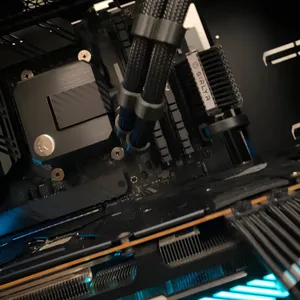


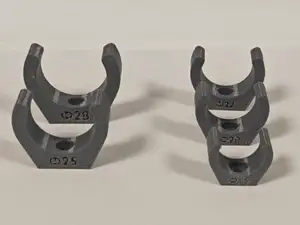
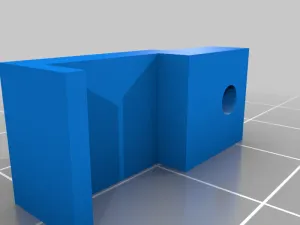

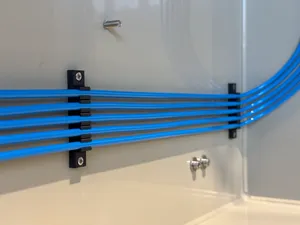
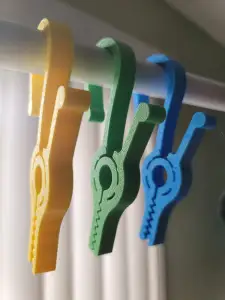


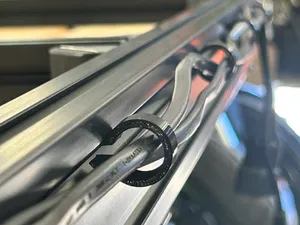
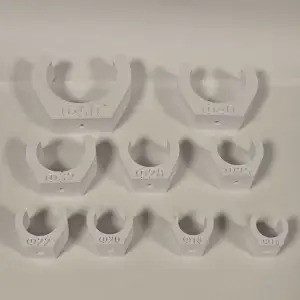

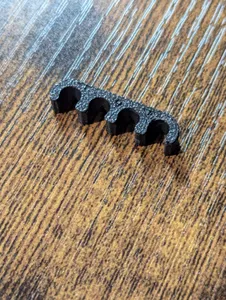
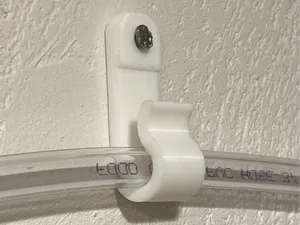


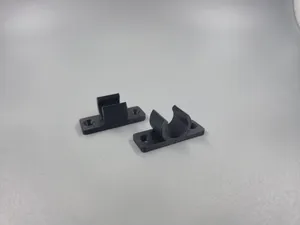
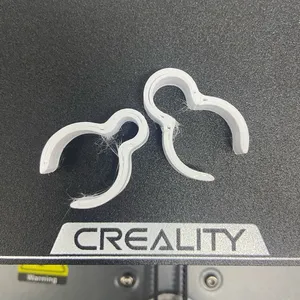

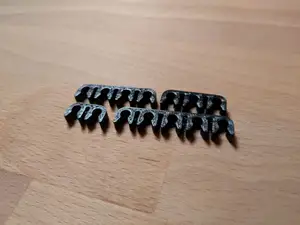
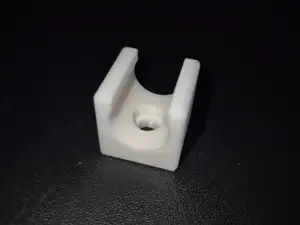
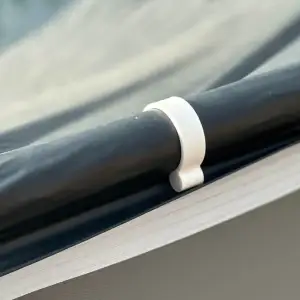

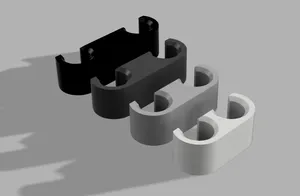
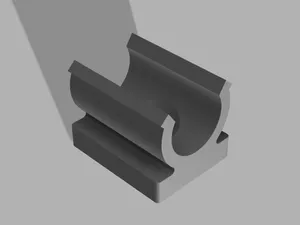
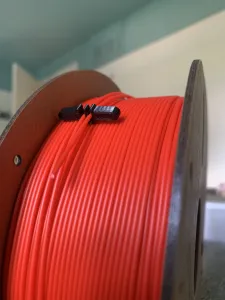


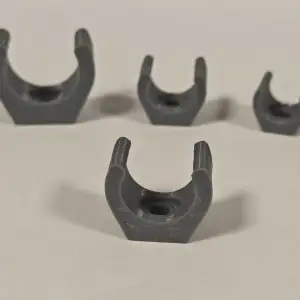


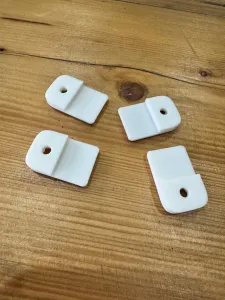

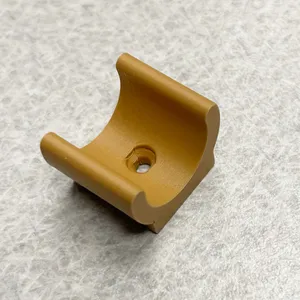
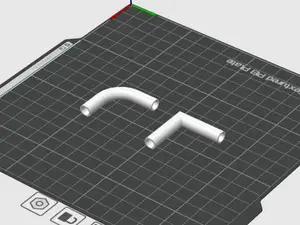


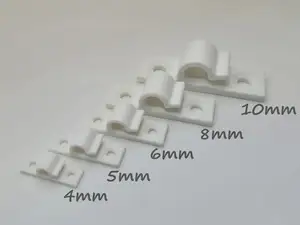
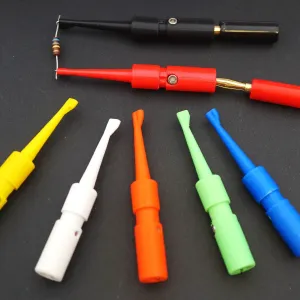
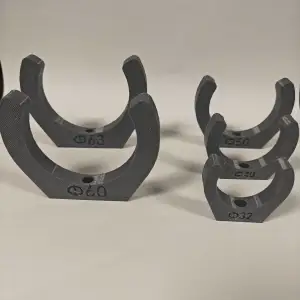
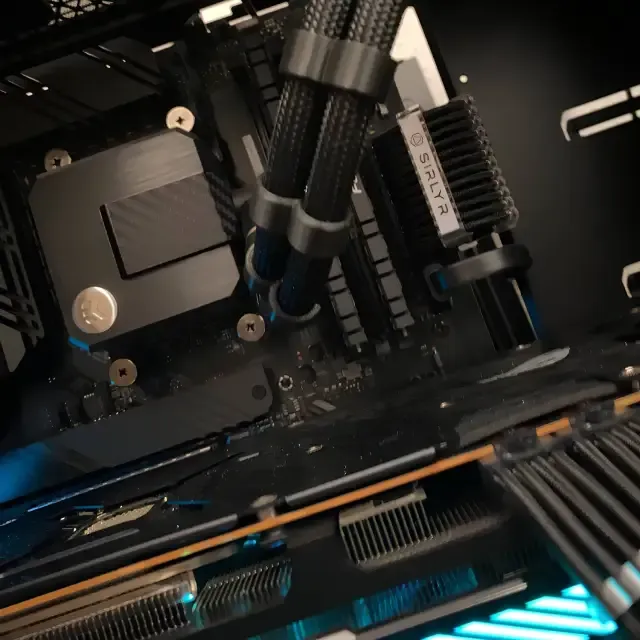
The models fall into a few groups. Printer-oriented clips hold a Bowden or PTFE tube against a frame, extruder or guide arm, often as a small arm or bracket. Pneumatic and push-fit clips are shaped to sit around a tube of a given outer diameter and keep a fitting locked. General pipe, conduit and cable clips use a screw hole, a hanger or a snap fit, while automotive-style clips and rivets copy the push-in fasteners used in car trim.
Before printing, compare the stated tube size with what you actually have: 8 mm may refer to the outer diameter of a pneumatic line or to a nominal pipe size, and wall thickness changes the fit. Look at the part count and whether the author expects screws, a spring wire or a separate insert. Check the material and settings listed on the model page, and think about where the clip will sit: parts near a hot end or a heated bed are usually printed in a higher-temperature filament, while indoor cable routing is less demanding. Layer orientation matters too, since a clip bends along the layer lines.
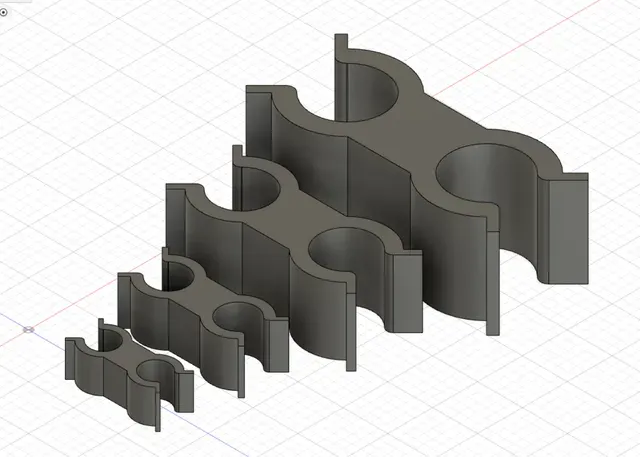
To widen the search, try other names for the same object: tube clamp, hose clamp, pipe clip, cable clip, PTFE holder, Bowden guide or pneumatic fitting retainer. Adding a diameter such as 6 mm or 10 mm brings up neighbouring sizes that can be scaled or adapted. Related topics include cable management, drag chains, extruder mounts and panel pass-throughs, which often use the same clip geometry.
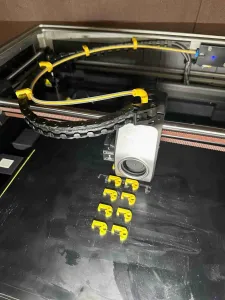
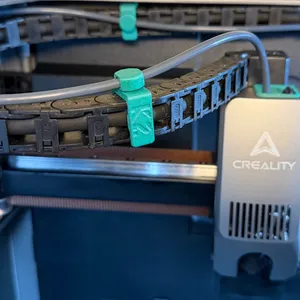
Photos of real prints on the author's page show how the clip closes, how much it flexes and whether supports were needed. If a model has several versions, the notes usually explain what changed between them.


Ev ve günlük yaşamdan CNC'ye kadar tüm konuların kataloğu; bağlı sitelerin hepsinde arama yapabilirsiniz.