Ücretsiz 
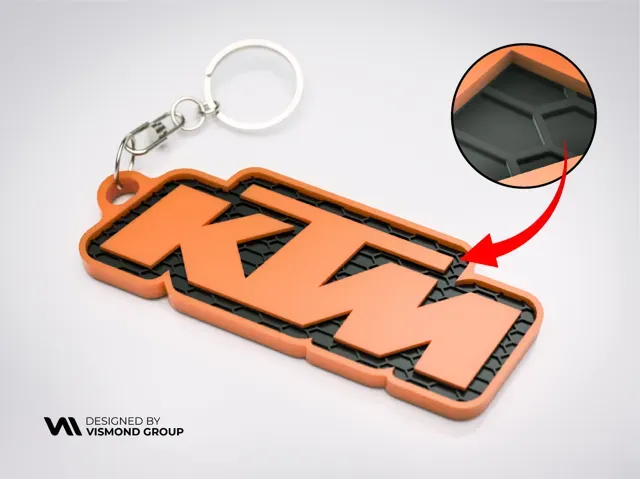
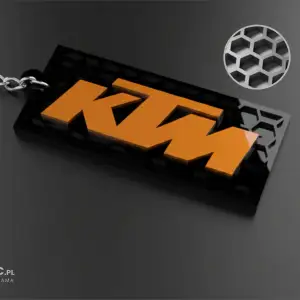
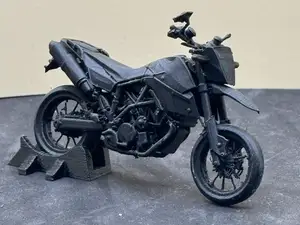
KTM Duke 790 Keychain
Thingiverse
This collection gathers STL files made around KTM 790 and 890 motorcycles: mounts, small tools, keychains and protective covers. Most of these parts are printed to fit an existing bike rather than to stand alone, so the model page matters as much as the shape. It is useful for anyone with a 3D printer who wants a bracket, a gauge or a replacement cap for a machine they already ride. Polyzon does not confirm whether models are free, their price, license, official status, affiliation, safety or fitness. Check the current terms at the source.
Bu koleksiyonun metni İngilizce; arama ise her dilde çalışır.
 Bir Polyzon koleksiyonu · 47 model 4 siteden
Polyzon bu koleksiyonu bağlı sitelerdeki arama sonuçlarından oluşturur. Tekrarlar ve önizlemesi olmayan modeller çıkarılır, zayıf eşleşmeler sona alınır, geri kalanlar arama sırasını korur. Modeller yazarlarına aittir; her modelin sayfasındaki koşulları kontrol edin.
Seçim kuralları: Polyzon editör ekibi · Metin güncellendi: 15.10.2026


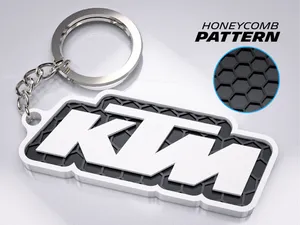
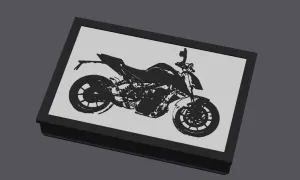


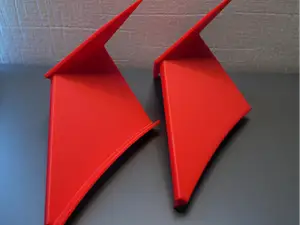
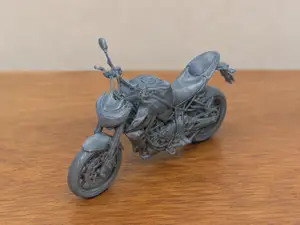


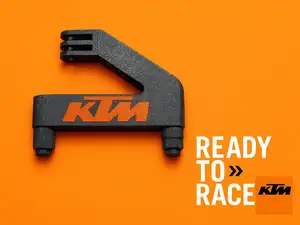
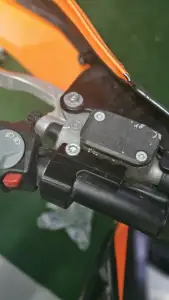

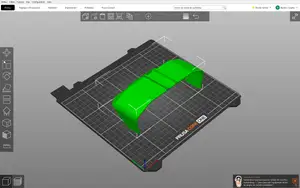
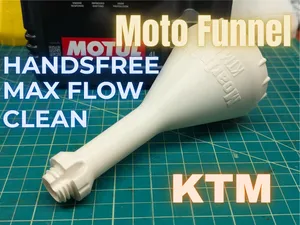
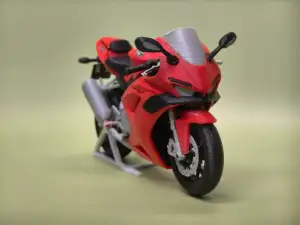

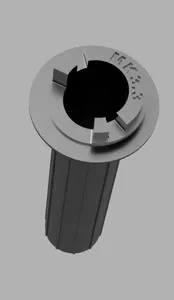
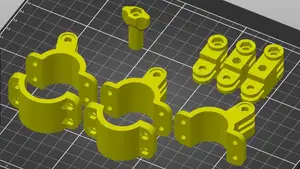


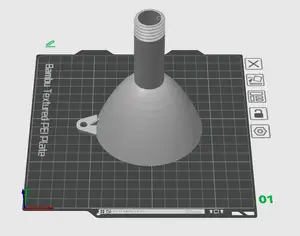
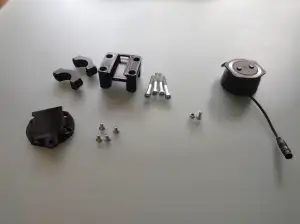


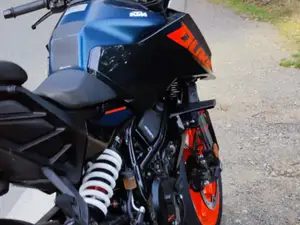
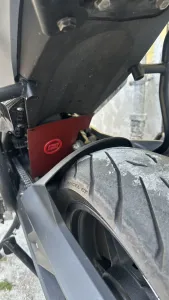
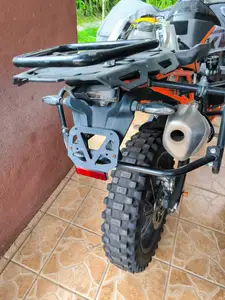
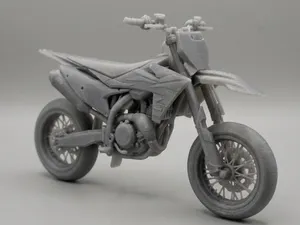
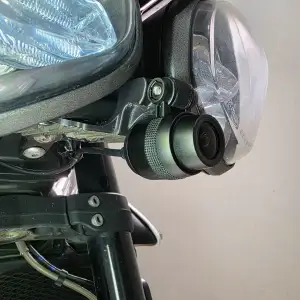


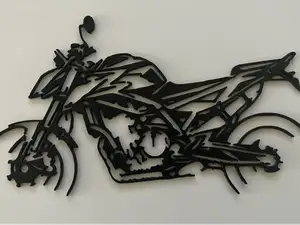
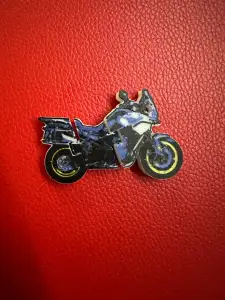


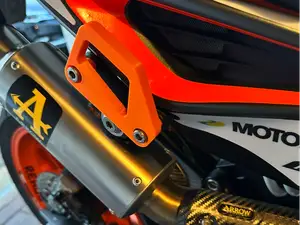
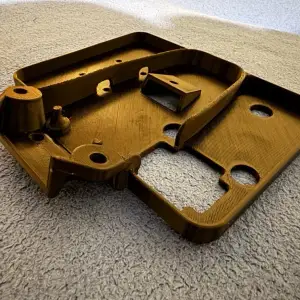

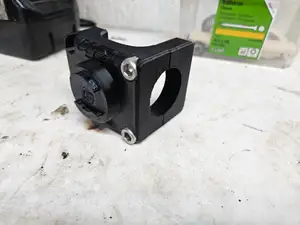
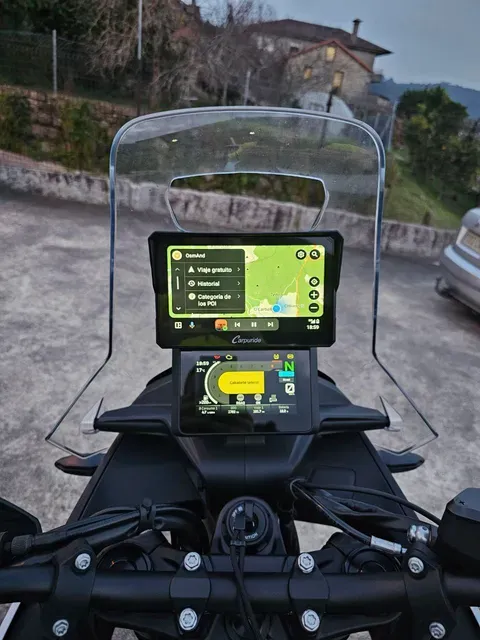
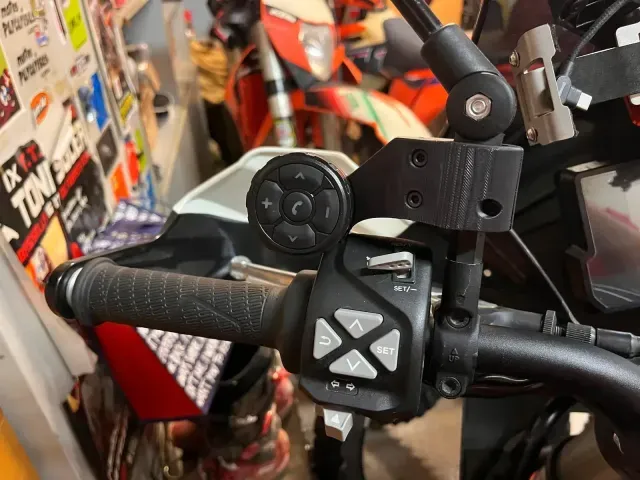
The range splits into a few practical groups. Mounts hold navigation units, phones or action cameras on the handlebar area, and they differ mainly in clamp diameter, angle and how the device is fixed. Tools are simpler objects such as chain slack gauges and funnels, where the printed part is used by hand and then put away. Covers, caps and winglets sit somewhere between the two: they are shaped to a specific panel or fork leg and often exist to close a hole or shield a display.
When choosing a file, read the author's notes first. Check the stated scale and the bike model and year it was drawn for, count the separate parts and see whether screws, nuts or heat-set inserts are required. Look at whether supports are needed and in which orientation the part should be printed, since a bracket loaded in one direction behaves differently when the layers run across it. Material and settings are usually listed by the author, and photos of real prints show how the part sits on the machine far better than a render.
If the results feel narrow, widen the wording. Try synonyms such as bracket, holder, support, guard, protector, gauge or plug, and search the neighbouring displacement names that share the same bodywork. Adding the model family or the word adventure, duke or exc to a query often surfaces parts filed under a different title. Related topics worth opening are motorcycle accessories, workshop tools and dashboard trim, which frequently contain items that fit the same bikes.
Keychains and badge-style prints are the easiest entry point, since they are small, flat and need no fasteners. Mounts and covers demand more attention to fit, because a millimetre of error in a hole spacing shows immediately. Tools sit in between: geometry is simple, but the printed part has to survive being pulled or turned by hand. In every case, compare the dimensions on the model page with the actual part on your bike before printing.



Ev ve günlük yaşamdan CNC'ye kadar tüm konuların kataloğu; bağlı sitelerin hepsinde arama yapabilirsiniz.