Ücretsiz 
Flying Helicopter Toy (OLD)
Thingiverse
This collection gathers STL files for flying toys: hand-launched gliders, spring- and pull-string helicopters, mini snap-together flyers and spinning novelties. Most of them are small, light and made of a few parts, which makes them a manageable first project on a 3D printer. The range goes from simple one-piece gliders to models with a rotor, a gearbox or a twisted rubber band. Polyzon does not confirm whether models are free, their price, license, official status, affiliation, safety or fitness. Check the current terms at the source.
Bu koleksiyonun metni İngilizce; arama ise her dilde çalışır.
 Bir Polyzon koleksiyonu · 47 model 4 siteden
Polyzon bu koleksiyonu bağlı sitelerdeki arama sonuçlarından oluşturur. Tekrarlar ve önizlemesi olmayan modeller çıkarılır, zayıf eşleşmeler sona alınır, geri kalanlar arama sırasını korur. Modeller yazarlarına aittir; her modelin sayfasındaki koşulları kontrol edin.
Seçim kuralları: Polyzon editör ekibi · Metin güncellendi: 14.10.2026

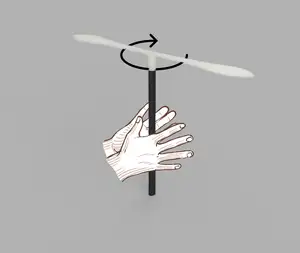
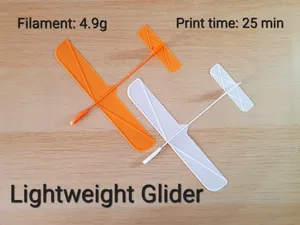
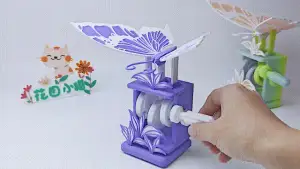

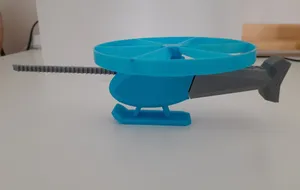
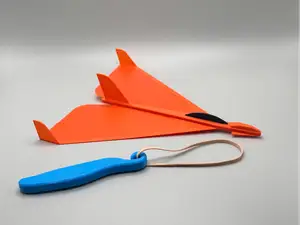
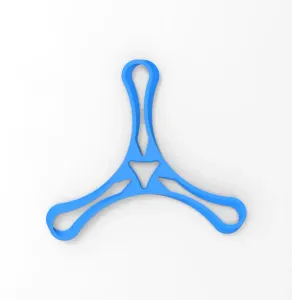

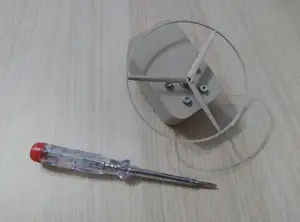
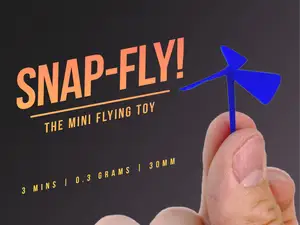
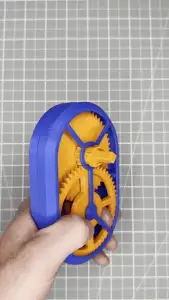

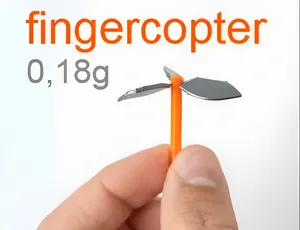
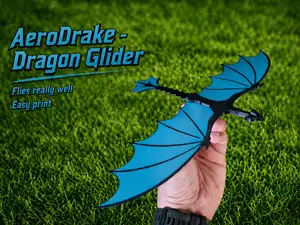

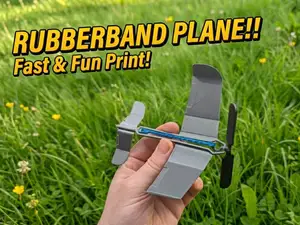

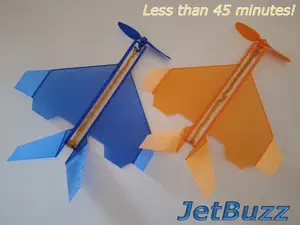
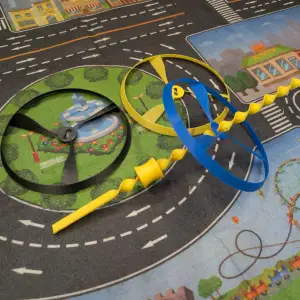

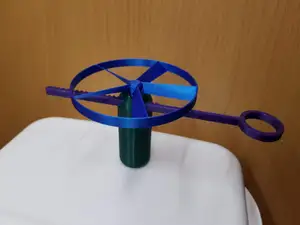
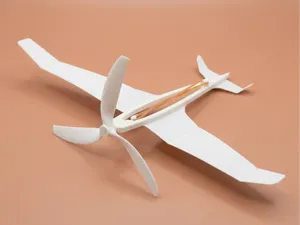


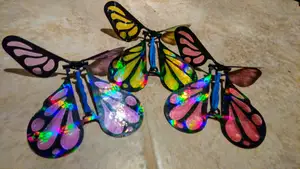
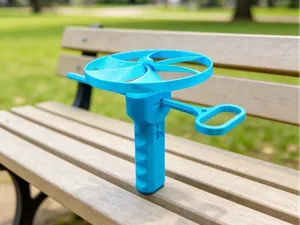
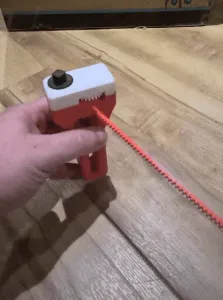


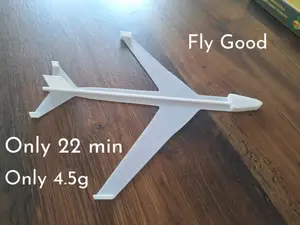


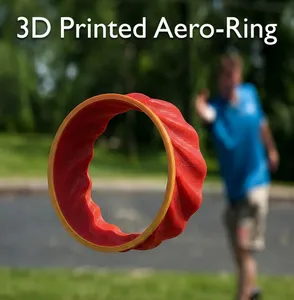
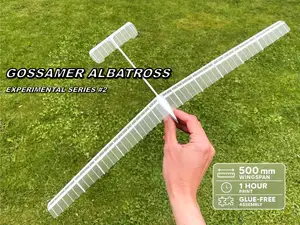
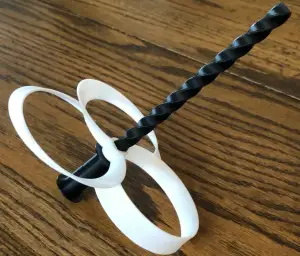

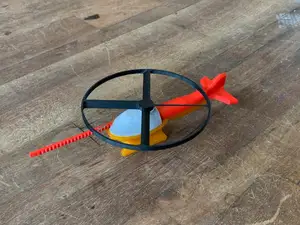
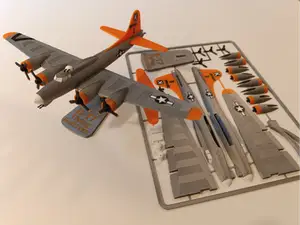
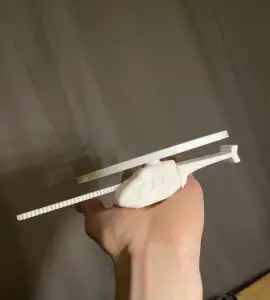
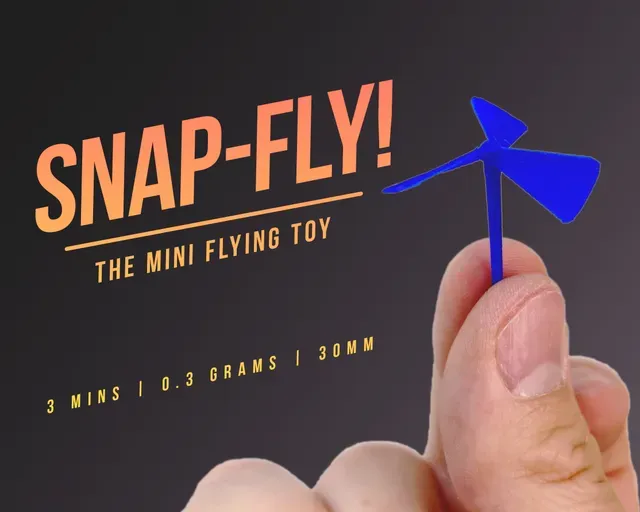
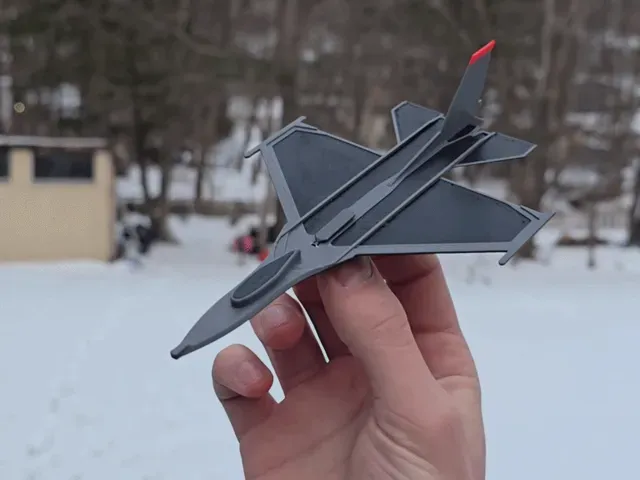
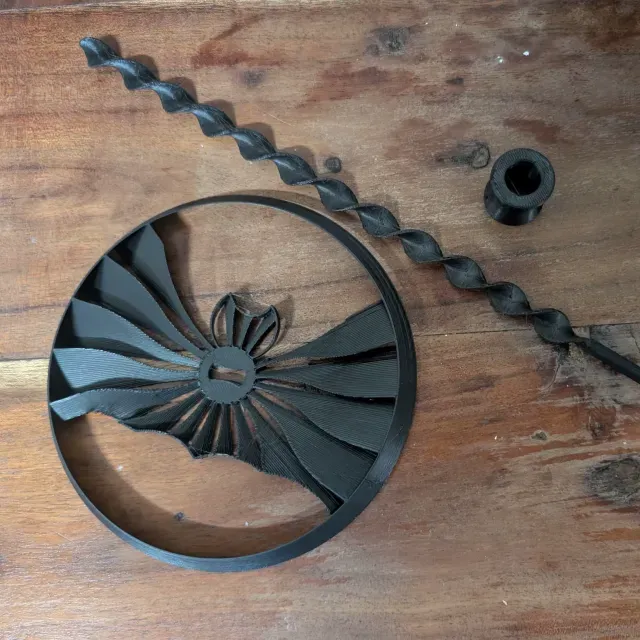
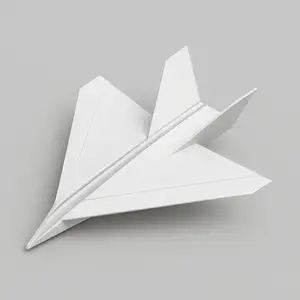
Gliders are usually a single wing-and-fuselage shape, sometimes with a separate tail or nose weight, and they fly when thrown by hand. Helicopter toys often use a spring, a pull string or a rubber band to spin a rotor, so they contain more moving parts and need a bit of assembly. Mini snap-together flyers are built from a few flat pieces that clip into each other, while spinning novelties such as bats or butterflies are dropped or flicked rather than launched.
On the author's model page, check the overall size and scale first, since a small toy behaves differently from a large one. Look at the number of parts and whether assembly is required, then read the notes on supports, layer height and material, because thin wings and rotors tend to work better in a filament that bends instead of cracking. Photos of real prints show how the finished toy looks and how much cleanup it needs.
To widen the search, try related terms such as glider, hand-launched plane, rotor, propeller, catapult toy or paper-plane style. Combining a shape with a mechanism, for example rubber band, spring or gearbox, narrows the list further. Neighbouring topics like micro flying toys, desk toys and outdoor toys also bring up models that behave in similar ways.




Ev ve günlük yaşamdan CNC'ye kadar tüm konuların kataloğu; bağlı sitelerin hepsinde arama yapabilirsiniz.