Ücretsiz 
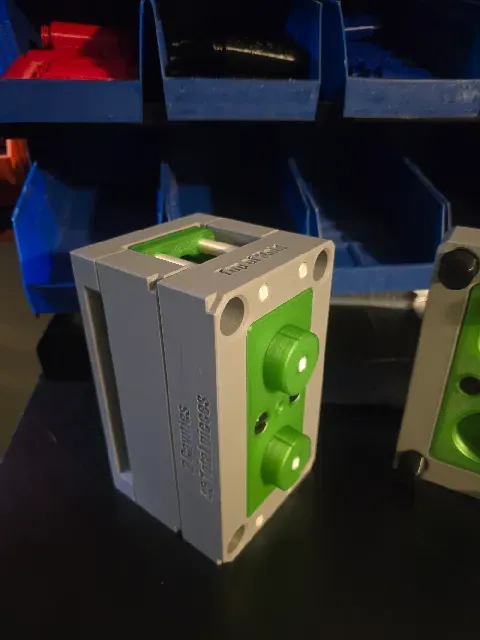
Batman Bust Injection Mold
Thingiverse
This collection gathers 3D models that work as molds: two-part injection molds, silicone forms and open casting molds. Most of them are made for small runs at home on a 3D printer, from wire splice covers to fishing lures and decorative castings. The list is useful when you need a shape reproduced several times rather than a single printed object. Polyzon does not confirm whether models are free, their price, license, official status, affiliation, safety or fitness. Check the current terms at the source.
Bu koleksiyonun metni İngilizce; arama ise her dilde çalışır.
 Bir Polyzon koleksiyonu · 47 model 4 siteden
Polyzon bu koleksiyonu bağlı sitelerdeki arama sonuçlarından oluşturur. Tekrarlar ve önizlemesi olmayan modeller çıkarılır, zayıf eşleşmeler sona alınır, geri kalanlar arama sırasını korur. Modeller yazarlarına aittir; her modelin sayfasındaki koşulları kontrol edin.
Seçim kuralları: Polyzon editör ekibi · Metin güncellendi: 14.10.2026


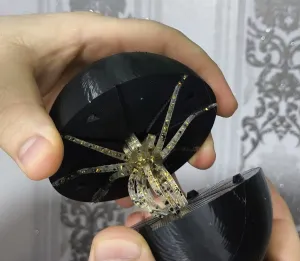

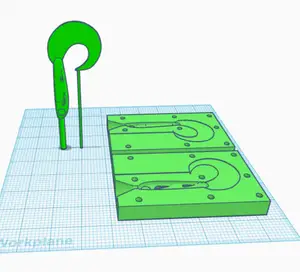
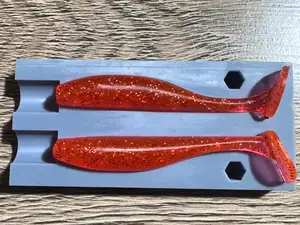
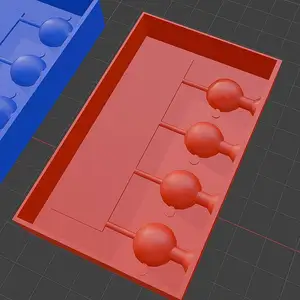


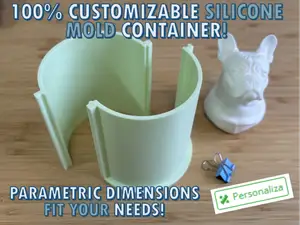
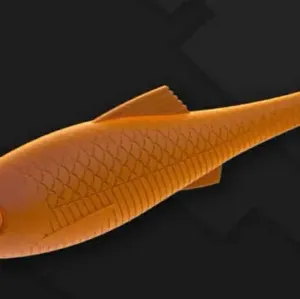

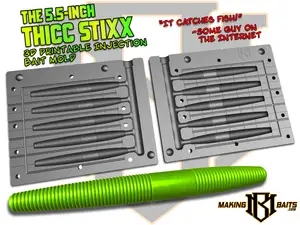
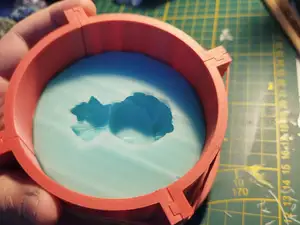
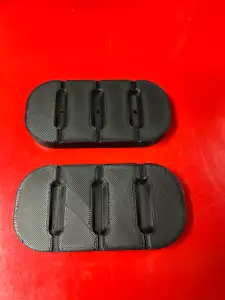


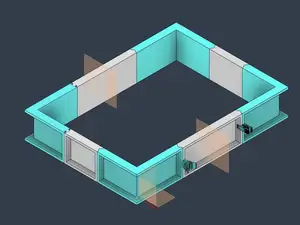
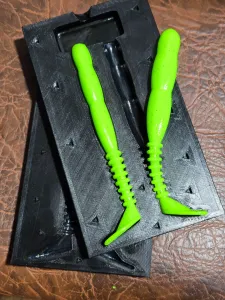


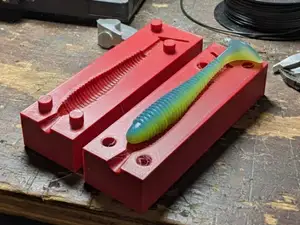
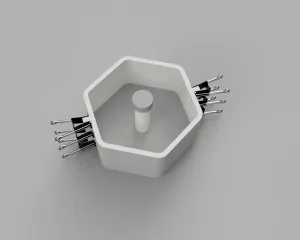


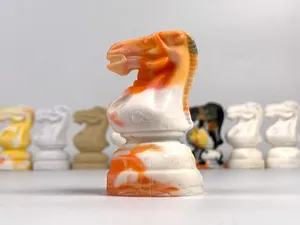
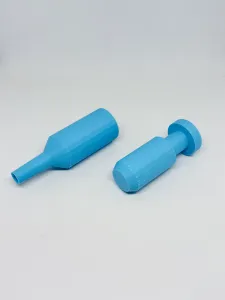

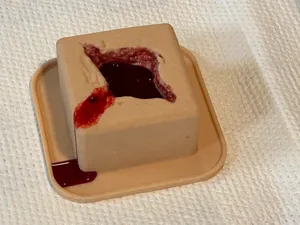
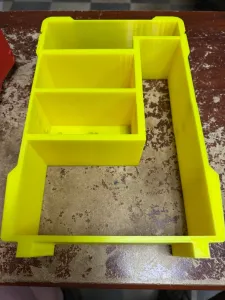

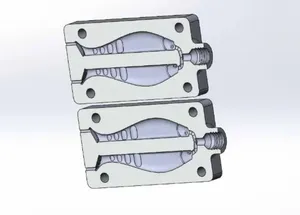
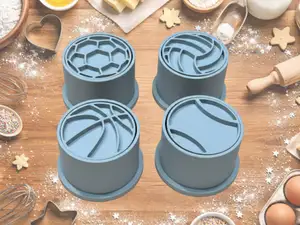
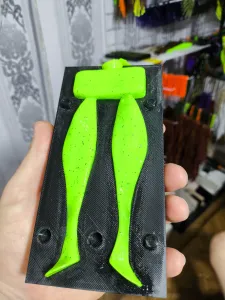


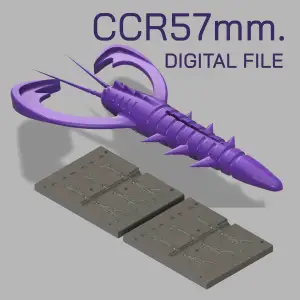


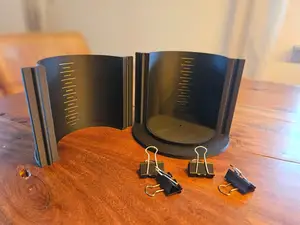
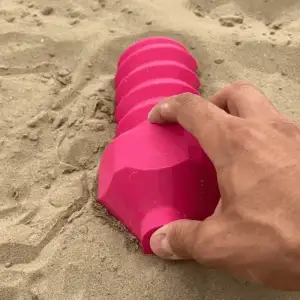
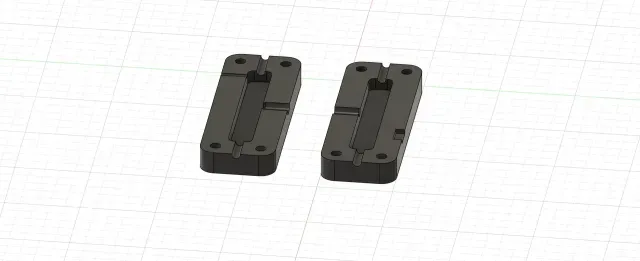
The models fall into a few groups. Injection molds are printed as two or more matching halves that clamp together and take molten plastic or hot glue through a gate. Silicone and casting molds are usually simple open forms for concrete, gypsum, wax or resin, and they are often printed as a container that you fill with silicone. There are also molds for soft baits and rubber parts, where the cavity shape matters more than the outer shell.
When choosing a model, read the author's page before printing. Check the number of parts and how they align, whether clamps, screws or bolts are needed, the wall thickness around the cavity, and the material and settings the author lists. For injection molds, look at the gate and vent layout and at photos of real casts, since surface finish inside the cavity transfers to every part you pour. For silicone forms, check the size and scale so the mold fits your build volume and your casting material.
Printing a mold asks for different settings than a display piece: more perimeters, higher infill and a smooth top surface usually help, and supports inside a cavity can be hard to remove. If the results you find are thin, try related wording — casting mold, silicone mold, resin mold, bait mold, jig mold, or the name of the material you want to pour. Combining a mold term with the object type, such as keychain, lure or candle, narrows the list faster than a single broad query.
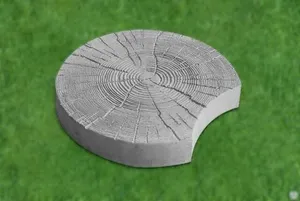



Ev ve günlük yaşamdan CNC'ye kadar tüm konuların kataloğu; bağlı sitelerin hepsinde arama yapabilirsiniz.