Ücretsiz 
Dwarf Mage
Thingiverse
This collection gathers mage, wizard and magician figures alongside magical props and display pieces, so you can compare very different takes on the same theme. Most entries are static character models meant for 3D printing, with a few small functional parts mixed in. It is useful when you want a themed set for a shelf, a tabletop session or a painting project. Polyzon does not confirm whether models are free, their price, license, official status, affiliation, safety or fitness. Check the current terms at the source.
Bu koleksiyonun metni İngilizce; arama ise her dilde çalışır.
 Bir Polyzon koleksiyonu · 48 model 5 siteden
Polyzon bu koleksiyonu bağlı sitelerdeki arama sonuçlarından oluşturur. Tekrarlar ve önizlemesi olmayan modeller çıkarılır, zayıf eşleşmeler sona alınır, geri kalanlar arama sırasını korur. Modeller yazarlarına aittir; her modelin sayfasındaki koşulları kontrol edin.
Seçim kuralları: Polyzon editör ekibi · Metin güncellendi: 15.10.2026
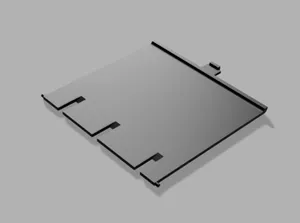
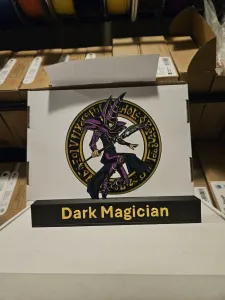


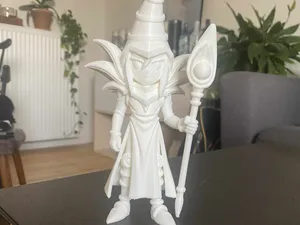



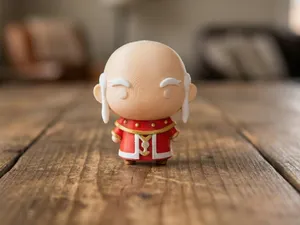
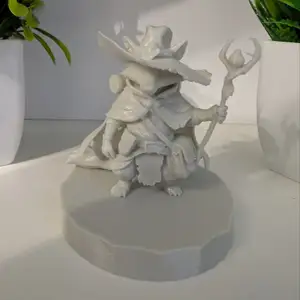


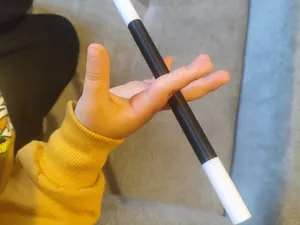
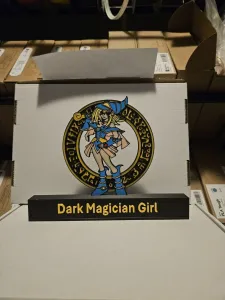


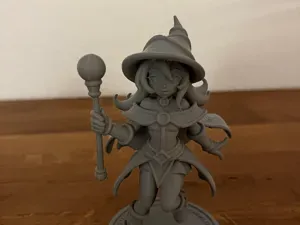
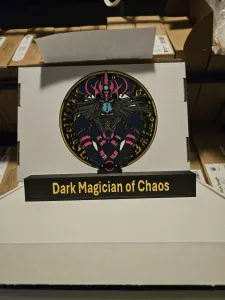


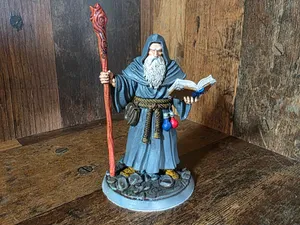
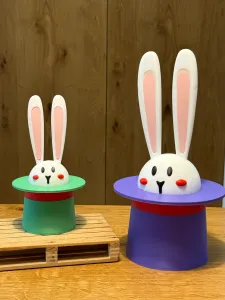


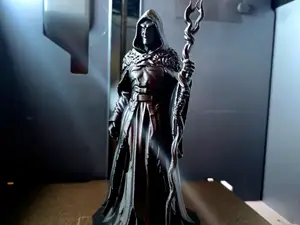
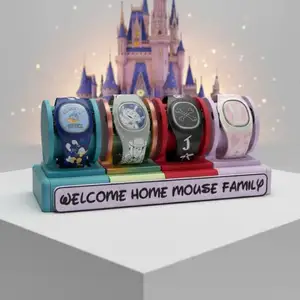


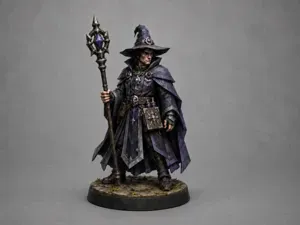
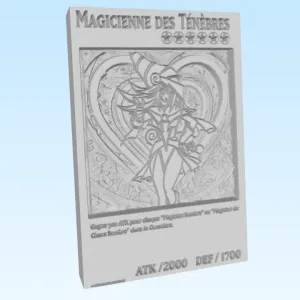


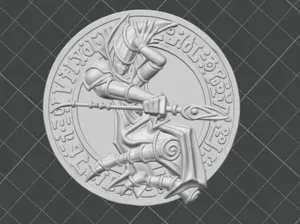
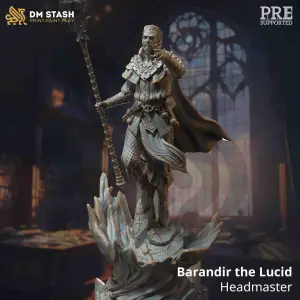

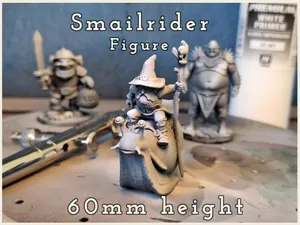
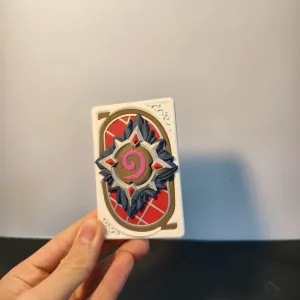



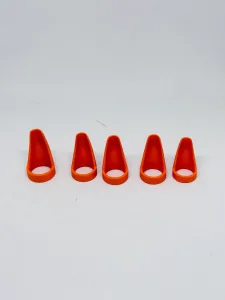

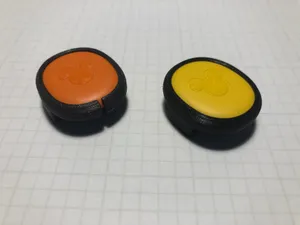
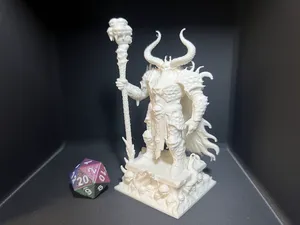

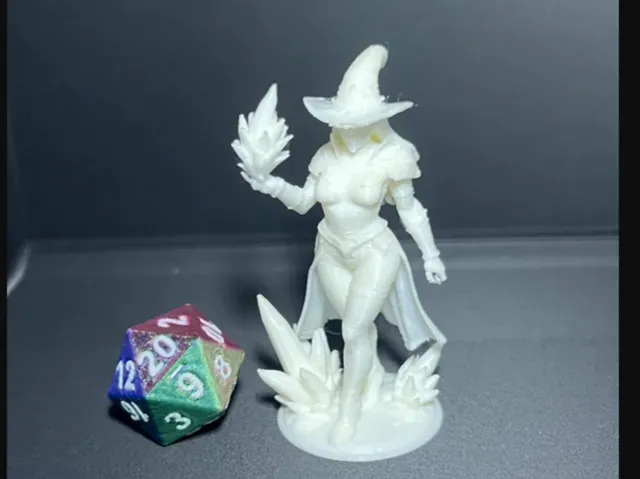
The range splits mainly by style. Realistic fantasy characters come as dwarves, warlocks and sorcerers with robes, staffs and layered armour, while chibi versions reduce the same idea to a large head and simple body. Card-game-inspired magicians usually appear as display models with a base, and a smaller group covers props such as wands, straps and decorative objects.
Before printing, open the author's page and read what is listed there: overall size and scale, how many separate parts are included, whether the figure is split for assembly, and whether supports are needed. Check the material and settings the author recommends, and look at photos of finished prints to judge surface detail on thin elements like staffs, fingers and hair.
To widen the results, try related words such as wizard, sorcerer, warlock, witch, mage or spellcaster, and add terms like chibi, bust, diorama or display stand. Searching by genre or game line, or by character class, often surfaces models that a single keyword misses.
Resin printing is common for small figures because it holds fine detail, while filament printing suits larger busts and props that can be sanded and painted. Scale matters when you plan to mix models in one scene, so note the height given by the author before slicing.


Ev ve günlük yaşamdan CNC'ye kadar tüm konuların kataloğu; bağlı sitelerin hepsinde arama yapabilirsiniz.