
Ücretsiz 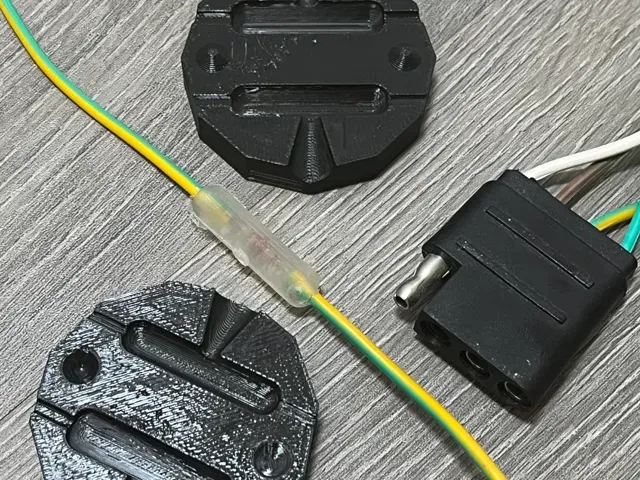
Hot Glue Molds for Wire Repair
MakerWorld
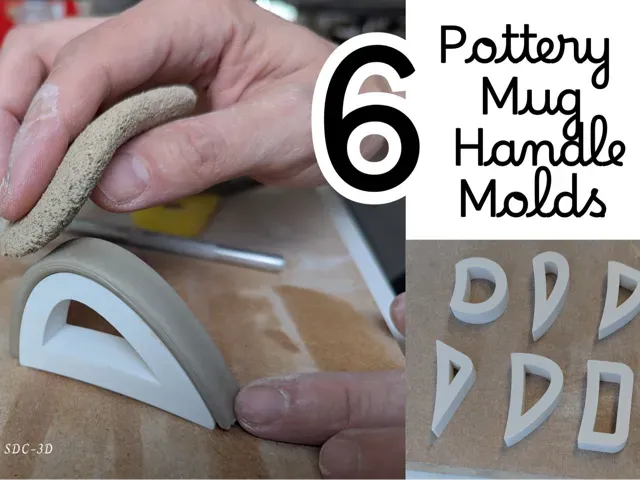
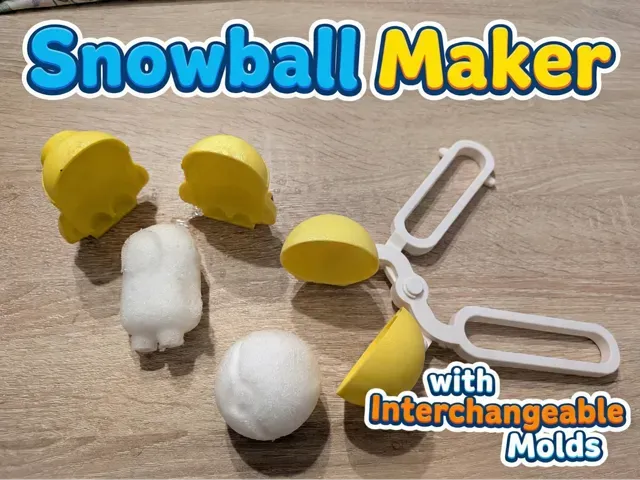
This collection brings together STL molds for casting, candle and soap making, sand play and small workshop tasks. Some are single-piece forms, while others are multi-part housings built to hold a silicone block. Comparing wall thickness, draft angles and the way a mold opens is useful before anything goes to a 3D printer. Polyzon does not confirm whether models are free, their price, license, official status, affiliation, safety or fitness. Check the current terms at the source.
Bu koleksiyonun metni İngilizce; arama ise her dilde çalışır.
 Bir Polyzon koleksiyonu · 48 model 5 siteden
Polyzon bu koleksiyonu bağlı sitelerdeki arama sonuçlarından oluşturur. Tekrarlar ve önizlemesi olmayan modeller çıkarılır, zayıf eşleşmeler sona alınır, geri kalanlar arama sırasını korur. Modeller yazarlarına aittir; her modelin sayfasındaki koşulları kontrol edin.
Seçim kuralları: Polyzon editör ekibi · Metin güncellendi: 11.10.2026


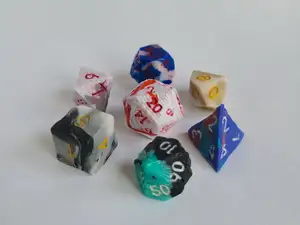

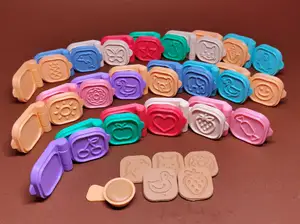


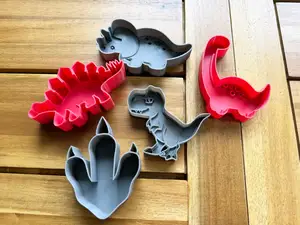
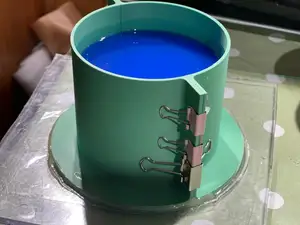


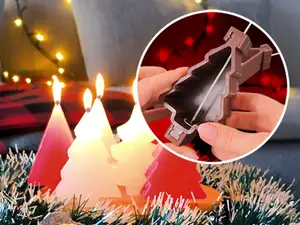


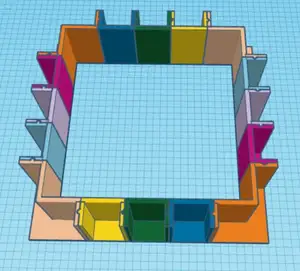


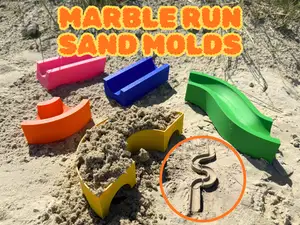

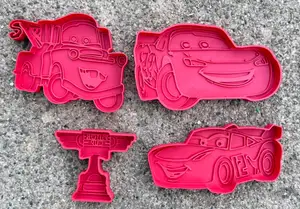




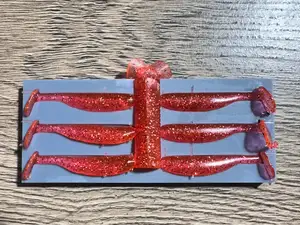


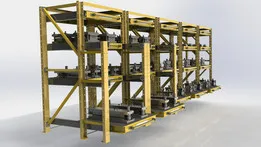
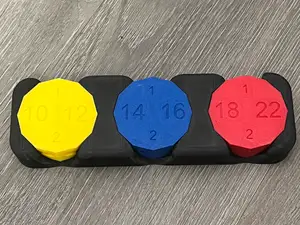
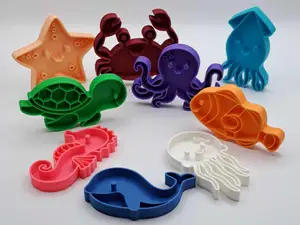

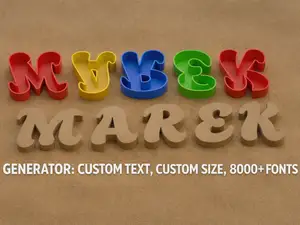



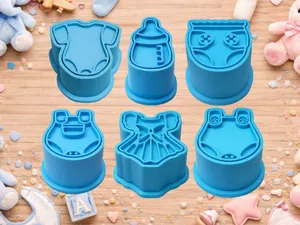
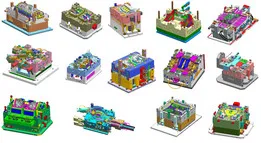


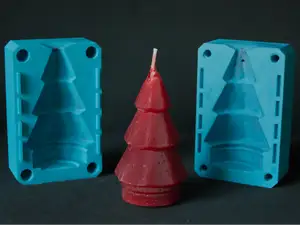
The range splits roughly into open forms and closed molds. Candle and soap molds are usually simple shells you fill and demold, sand molds are shallow shapes pressed into damp sand, and casting molds for resin, plaster or metal often come as two or more parts that clamp together. Children's and sensory molds sit closer to the toy side: they are handled often, so rounded edges and thicker walls matter more than fine detail.
When choosing a model, read the author's page for the number of parts, whether supports are needed, and the material and settings they list. Think about what you will pour: silicone and plaster behave differently from hot wax or molten metal, and the mold's wall thickness and draft angle decide how easily the cast comes out. Photos of real prints show how the seams line up and where cleanup will be needed.
Search results widen quickly if you try related wording. Alongside "molds" you can look for casting forms, silicone mold housings, candle and soap forms, sand play shapes, dice molds, or injection mold inserts. Combining a material with the shape you want, such as resin or plaster plus a specific form, usually narrows the list faster than the topic word alone.





Ev ve günlük yaşamdan CNC'ye kadar tüm konuların kataloğu; bağlı sitelerin hepsinde arama yapabilirsiniz.