
Ücretsiz 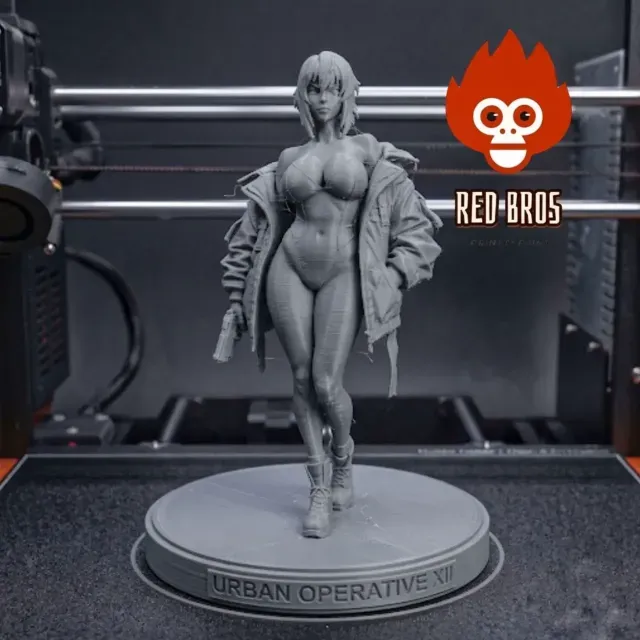
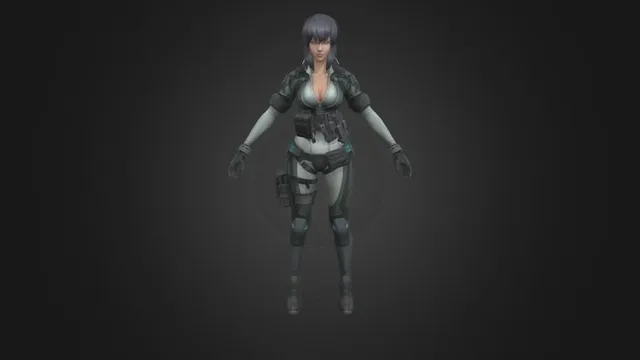
Major Motoko Kusanagi ready for action! 🤖✨
Creality Cloud
This collection gathers 3D models of Motoko Kusanagi in several forms: standing figures, chibi and miniature versions, flat relief art, and a few related props. It is useful if you want a recognizable character piece for 3D printing and prefer to compare how different authors interpret the same design. Each listing links to the source page, where the model files and the author's notes live. Polyzon does not confirm whether models are free, their price, license, official status, affiliation, safety or fitness. Check the current terms at the source.
Bu koleksiyonun metni İngilizce; arama ise her dilde çalışır.
 Bir Polyzon koleksiyonu · 48 model 10 siteden
Polyzon bu koleksiyonu bağlı sitelerdeki arama sonuçlarından oluşturur. Tekrarlar ve önizlemesi olmayan modeller çıkarılır, zayıf eşleşmeler sona alınır, geri kalanlar arama sırasını korur. Modeller yazarlarına aittir; her modelin sayfasındaki koşulları kontrol edin.
Seçim kuralları: Polyzon editör ekibi · Metin güncellendi: 12.10.2026


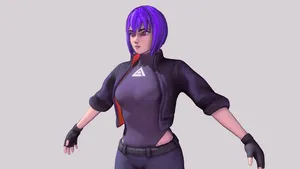
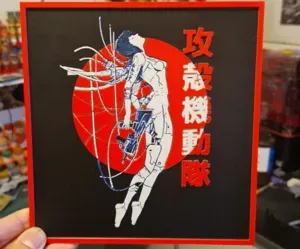
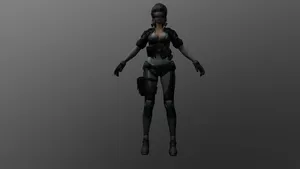


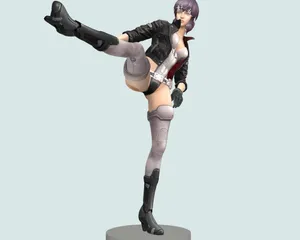
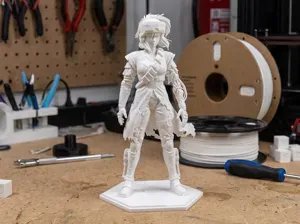
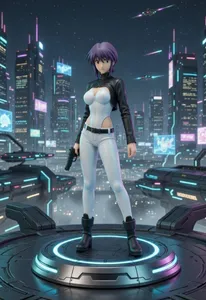

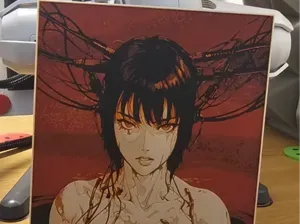
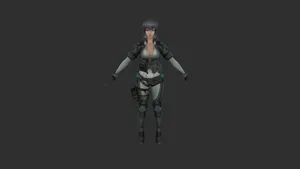
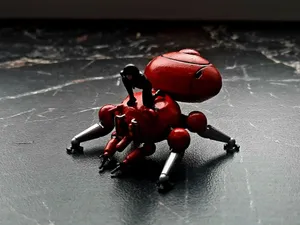
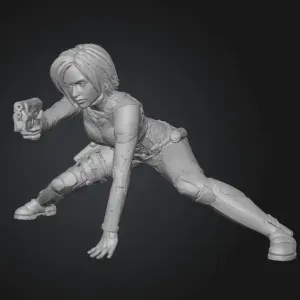

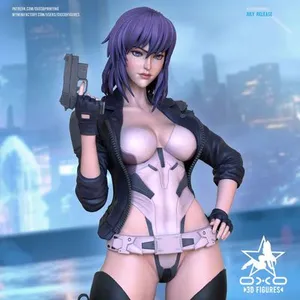
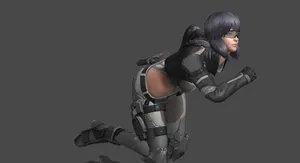
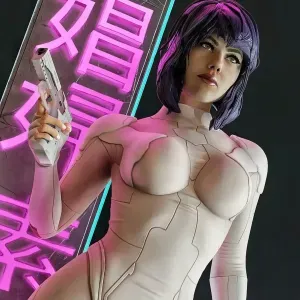
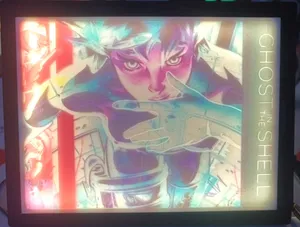

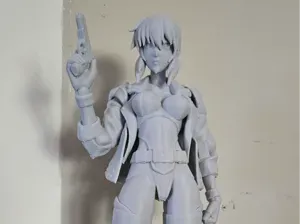
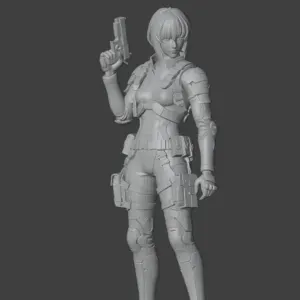

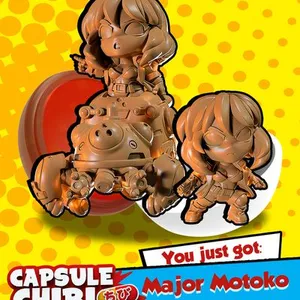

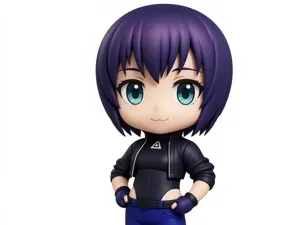
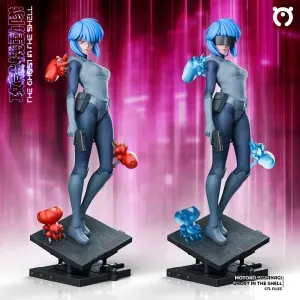
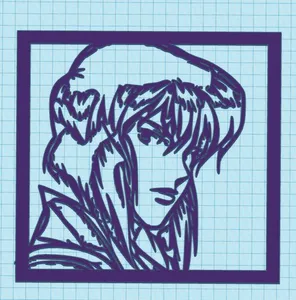


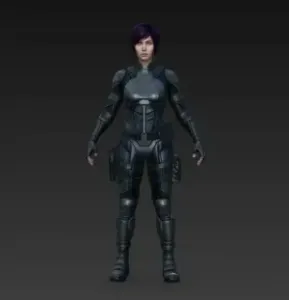
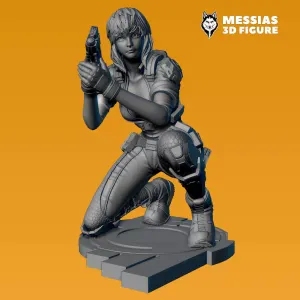
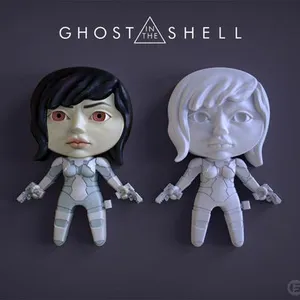




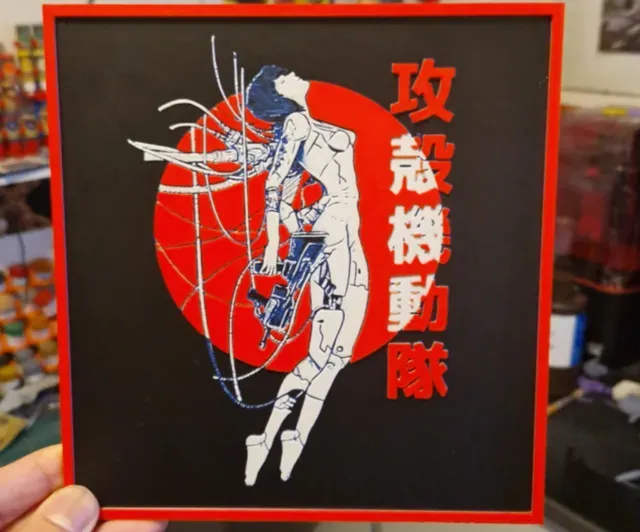
The models differ mainly in format and level of detail. Full figures and statues aim at a display piece with a defined pose, while chibi and tabletop-sized versions simplify proportions so they stay readable at a small scale. Flat formats such as hueforge-style reliefs, lithophanes and stencils are printed as panels rather than as standing objects, and props or mecha from the same setting work as companion pieces to a figure.
Before printing, open the author's model page and read what is listed there: finished dimensions and scale, how many parts the model is split into and how they join, whether supports are needed, and which material and slicer settings the author used. Photos of real prints are the most useful reference, since they show how the surface detail and thin elements actually come out. Decide on the size first, then adjust wall count and layer height to match it.
If the results look thin, try other ways of naming the same character, such as the rank-and-name form, the short name alone, or the title of the series she appears in. Adding a format word narrows things quickly: figure, bust, miniature, statue, relief, stencil or lithophane. Related searches can also help, for example other characters and robots from the same setting, cyberpunk figures, or anime-style display pieces.


Ev ve günlük yaşamdan CNC'ye kadar tüm konuların kataloğu; bağlı sitelerin hepsinde arama yapabilirsiniz.