Ücretsiz 
Caduceus for CNC (Medical emblem)
Thingiverse
This collection covers 3D models that range from anatomical skull and cranium studies to flexi articulated creatures, modular figures and small desk holders. Every entry points to a model page, so you can compare scale, part count and the settings the author lists before sending a file to your 3D printer. It works as a starting point when you are searching for an STL rather than one fixed design. Polyzon does not confirm whether models are free, their price, license, official status, affiliation, safety or fitness. Check the current terms at the source.
Bu koleksiyonun metni İngilizce; arama ise her dilde çalışır.
 Bir Polyzon koleksiyonu · 47 model 3 siteden
Polyzon bu koleksiyonu bağlı sitelerdeki arama sonuçlarından oluşturur. Tekrarlar ve önizlemesi olmayan modeller çıkarılır, zayıf eşleşmeler sona alınır, geri kalanlar arama sırasını korur. Modeller yazarlarına aittir; her modelin sayfasındaki koşulları kontrol edin.
Seçim kuralları: Polyzon editör ekibi · Metin güncellendi: 15.10.2026
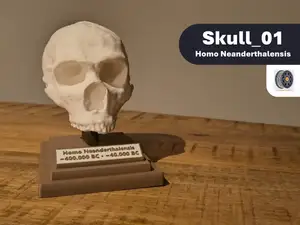


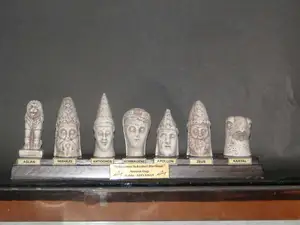
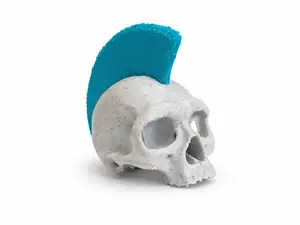
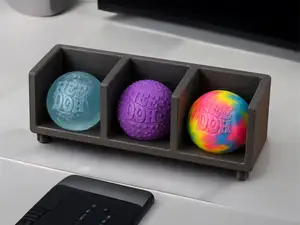
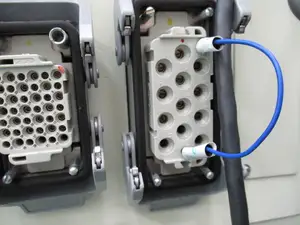



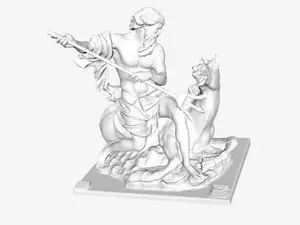



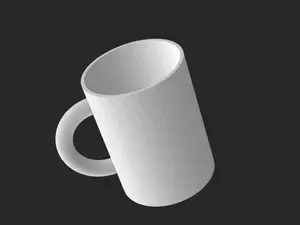
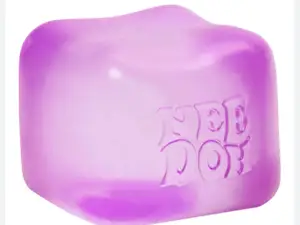

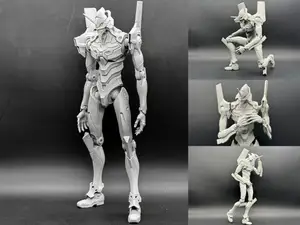




The anatomical pieces are usually single-object studies of a cranium or skull, sometimes labelled as educational, and they differ mainly in how much surface detail and how many separate parts they include. Flexi and articulated creatures are printed as one piece with moving joints, while modular figures arrive as several parts that are joined after printing. Holders and organizers sit at the practical end: a box, a nest or a rotating tray sized around a specific object.
When choosing, open the model page and read what the author states: overall dimensions, number of parts, whether supports are needed, and the material and layer settings used. Photos of real prints are more informative than renders, especially for thin joints and overhangs. If a model is meant to hold something, check the inner dimensions against the object you have.
To widen or narrow the results, try related terms instead of one phrase: cranium, hominid, anatomy, skeleton for the skull group; articulated, print-in-place, joints, flexi for the moving figures; modular, kit, assembly, parts for multi-piece characters. Adding a scale, a size or a purpose word such as holder, stand or organizer usually cuts the list faster than sorting it.
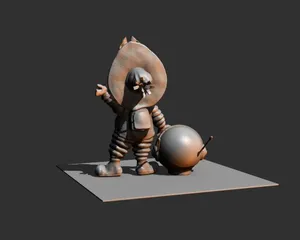

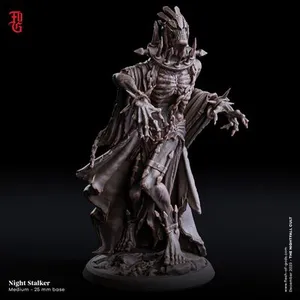

Ev ve günlük yaşamdan CNC'ye kadar tüm konuların kataloğu; bağlı sitelerin hepsinde arama yapabilirsiniz.

