Ücretsiz 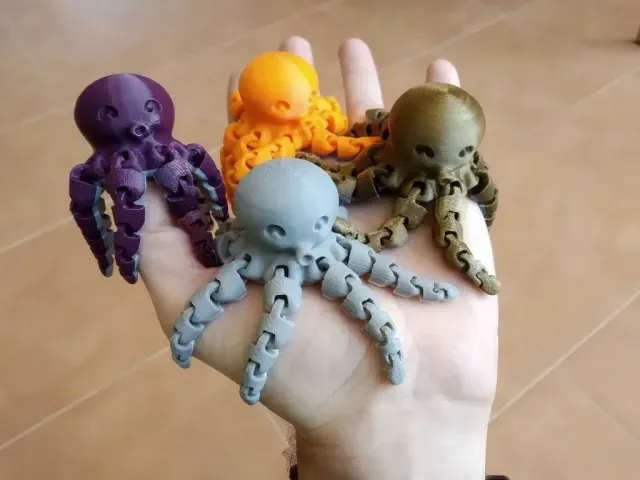
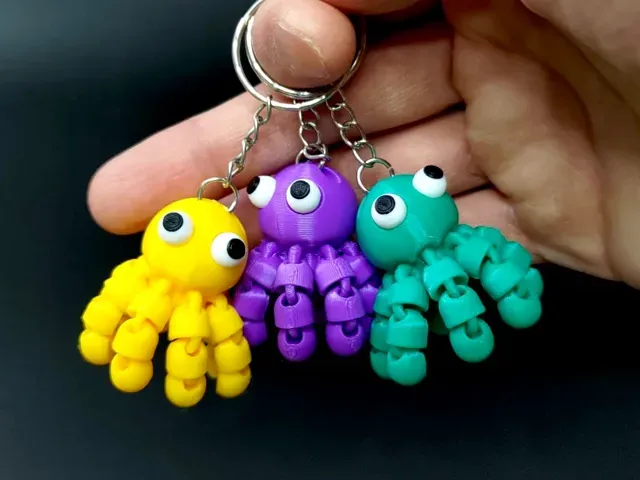
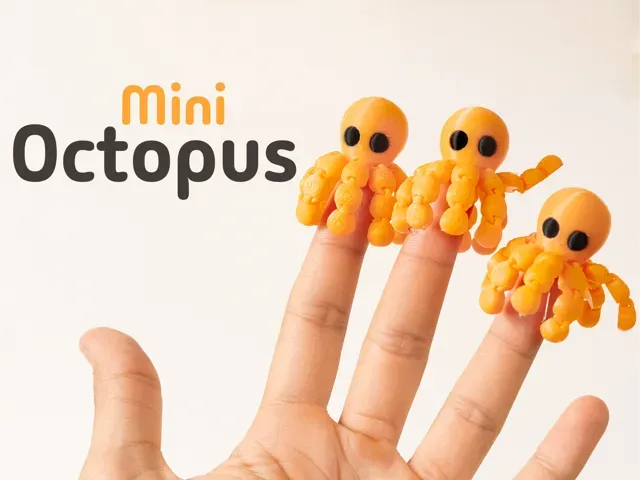
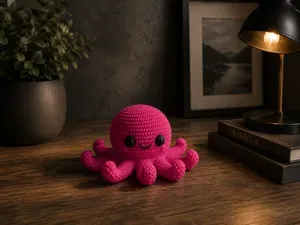
Cute Mini Octopus
Creality Cloud
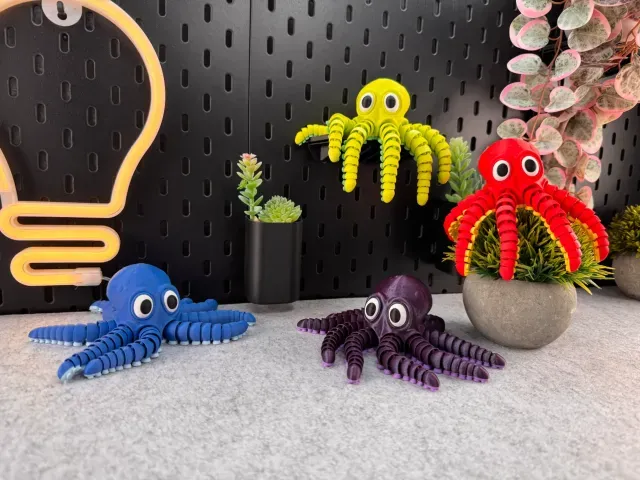
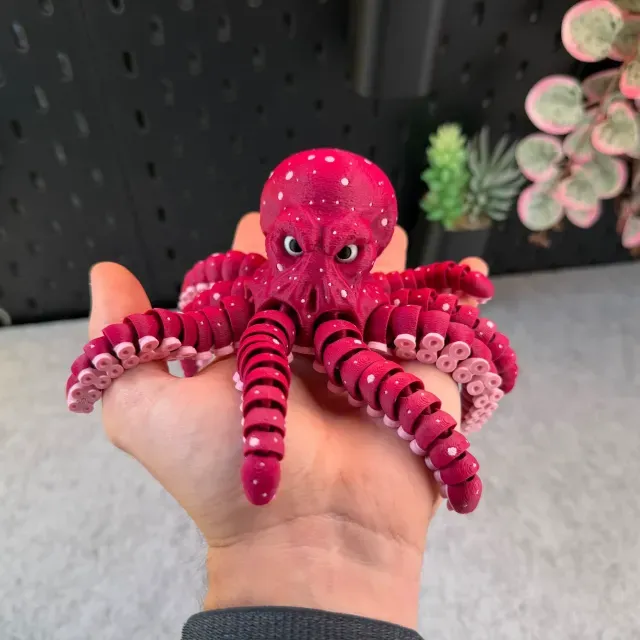
This collection gathers octopus 3D models in several directions: articulated and print-in-place figures, flexi fidget versions, small cute octopuses, and stands or holders shaped like one. Most of them are made for desktop 3D printing in a single piece, which keeps the first attempt simple. The variety helps you pick a size and a level of detail that match what your 3D printer and filament can handle. Polyzon does not confirm whether models are free, their price, license, official status, affiliation, safety or fitness. Check the current terms at the source.
Bu koleksiyonun metni İngilizce; arama ise her dilde çalışır.
 Bir Polyzon koleksiyonu · 48 model 6 siteden
Polyzon bu koleksiyonu bağlı sitelerdeki arama sonuçlarından oluşturur. Tekrarlar ve önizlemesi olmayan modeller çıkarılır, zayıf eşleşmeler sona alınır, geri kalanlar arama sırasını korur. Modeller yazarlarına aittir; her modelin sayfasındaki koşulları kontrol edin.
Seçim kuralları: Polyzon editör ekibi · Metin güncellendi: 13.10.2026
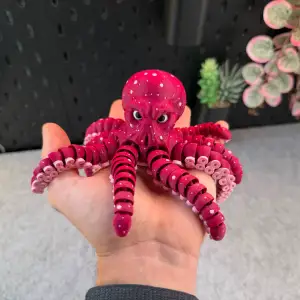

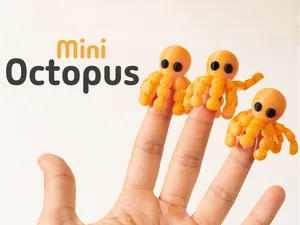
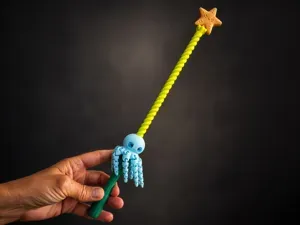
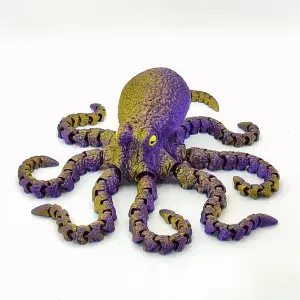
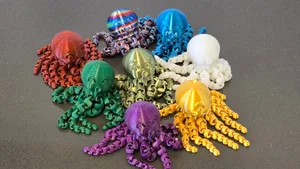

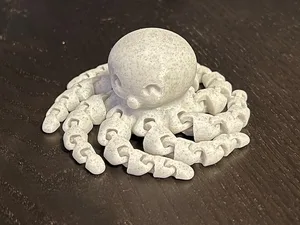
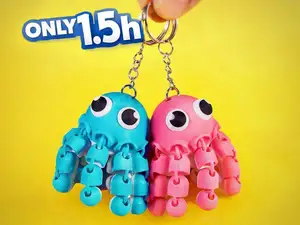
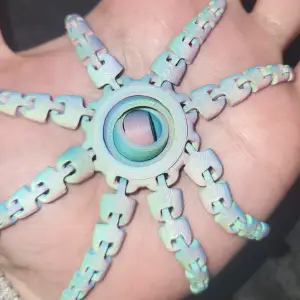
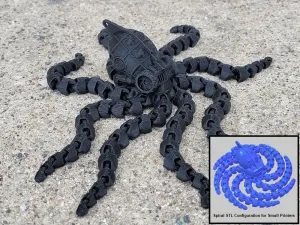

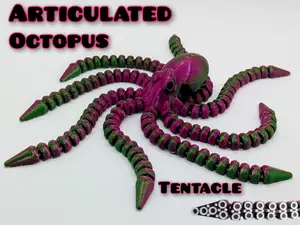
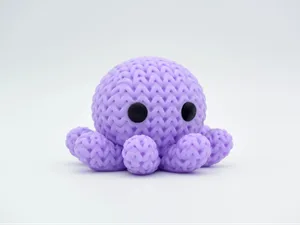

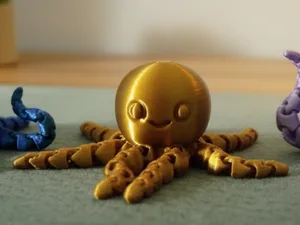

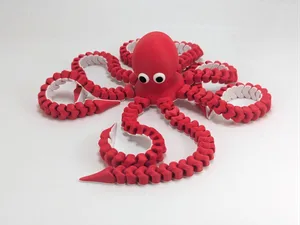

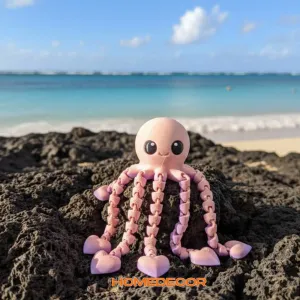
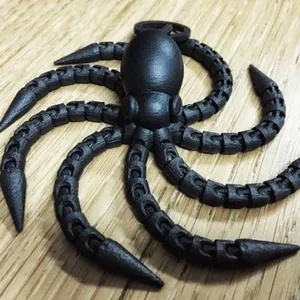

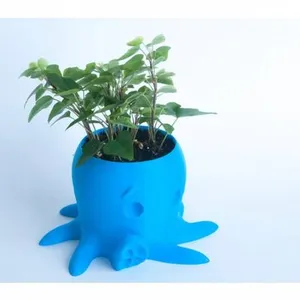
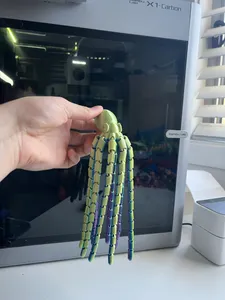
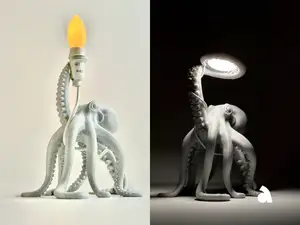
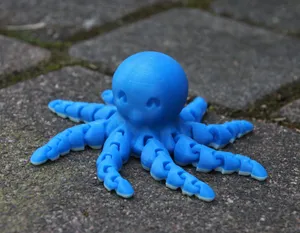


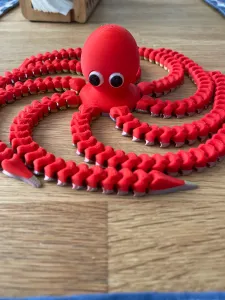
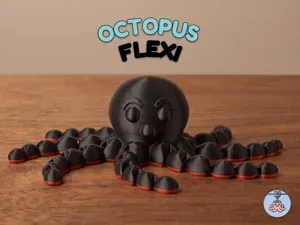

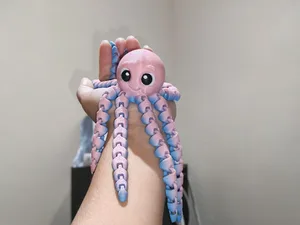
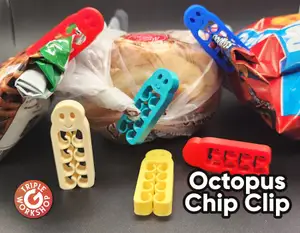

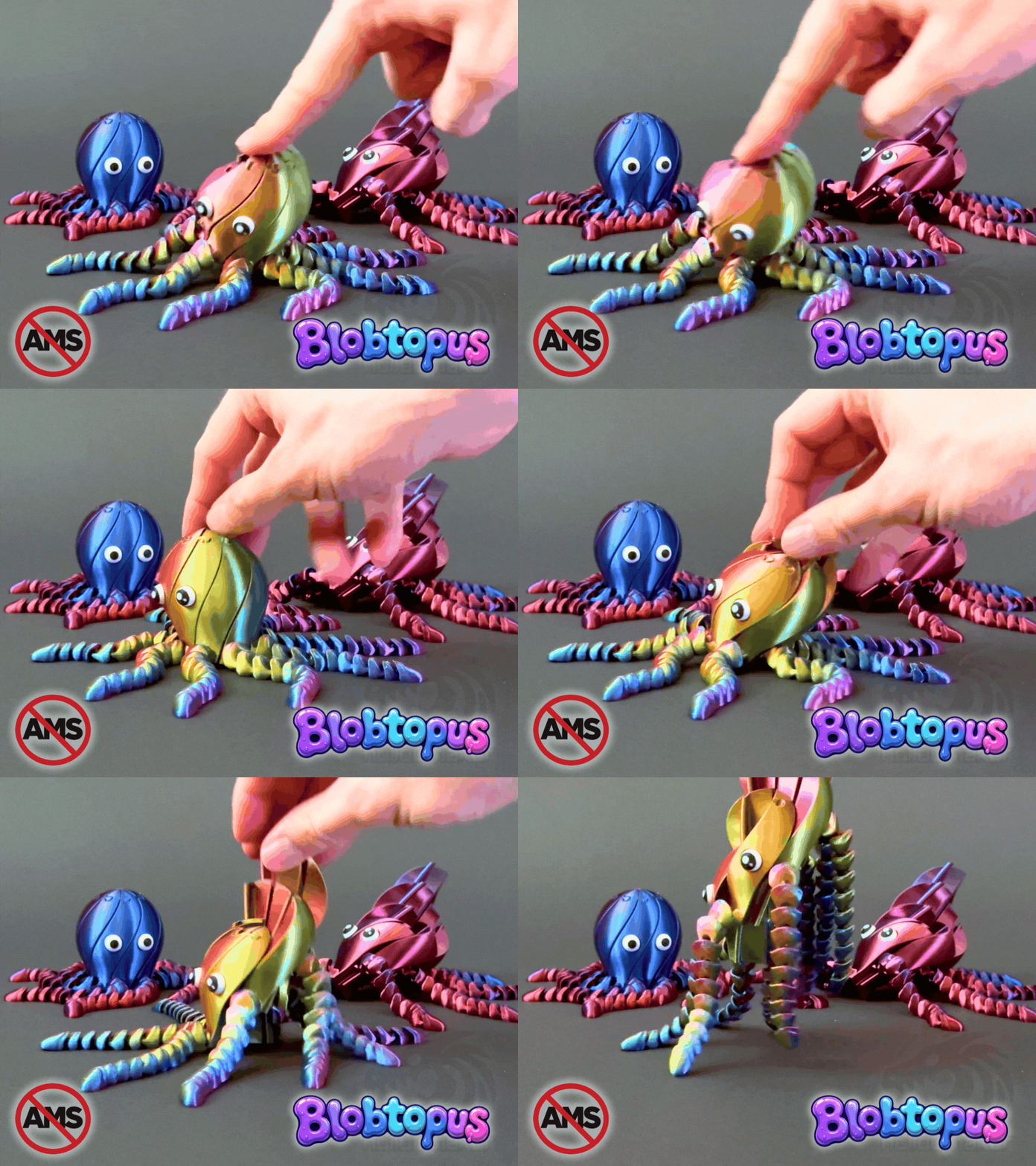


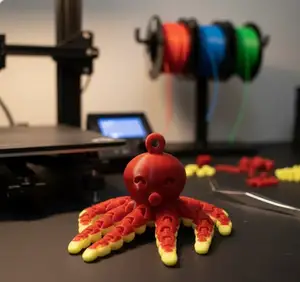
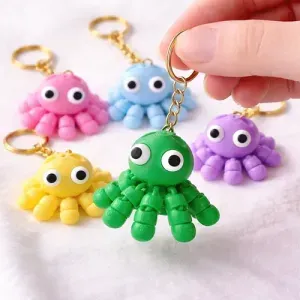


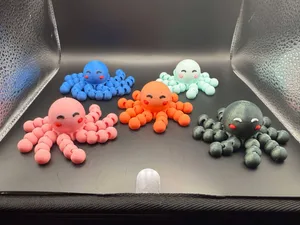

The models differ mainly in how the tentacles move. Print-in-place designs have joints built into the mesh, so the arms flex after printing without assembly, while ball-jointed versions use separate pivots that can be snapped together. Small cute octopuses usually keep a rounded body and short arms, and stylized variants add long spiral tentacles, knitted-looking surfaces or a wand-like shape. Stands and holders reuse the same silhouette for a tablet or a phone.
Before printing, read the author's page: overall size and scale, number of parts, whether the file is meant to be printed in one piece, and whether supports are needed. Check the wall thickness of the tentacles and joints, because very thin arms can snap and joints can fuse if the clearance is tight. The material and settings the author lists matter too, since flexi parts behave differently in rigid and softer filaments. Photos of real prints show how the joints and surface actually come out.
If the results feel too narrow, try related wording: flexi, articulated, print-in-place, ball-joint, fidget, keychain, mini, or stand. Searching by use instead of shape also helps, for example desk toy, phone holder or bag charm. Related sea-life topics such as squid, kraken or jellyfish often lead to models with similar joint structures and comparable print settings.


Ev ve günlük yaşamdan CNC'ye kadar tüm konuların kataloğu; bağlı sitelerin hepsinde arama yapabilirsiniz.