
Ücretsiz 
Fairy Valentine
Thingiverse
This collection gathers 3D models tied to stage tricks, illusion boxes and figures of people in motion, from prank novelties to tabletop scenery. Most files are made for 3D printing, so the choice comes down to scale, part count and how the moving pieces fit together. It is a useful starting point if you want a prop, a figurine or a small mechanical puzzle to build on a 3D printer. Polyzon does not confirm whether models are free, their price, license, official status, affiliation, safety or fitness. Check the current terms at the source.
Bu koleksiyonun metni İngilizce; arama ise her dilde çalışır.
 Bir Polyzon koleksiyonu · 41 model 3 siteden
Polyzon bu koleksiyonu bağlı sitelerdeki arama sonuçlarından oluşturur. Tekrarlar ve önizlemesi olmayan modeller çıkarılır, zayıf eşleşmeler sona alınır, geri kalanlar arama sırasını korur. Modeller yazarlarına aittir; her modelin sayfasındaki koşulları kontrol edin.
Seçim kuralları: Polyzon editör ekibi · Metin güncellendi: 15.10.2026


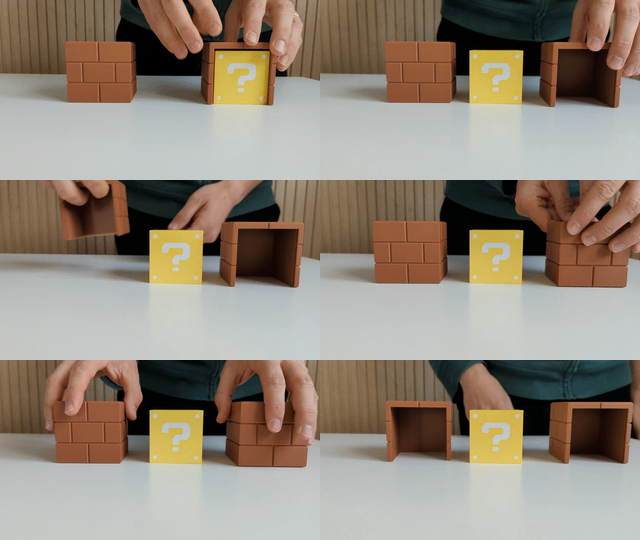





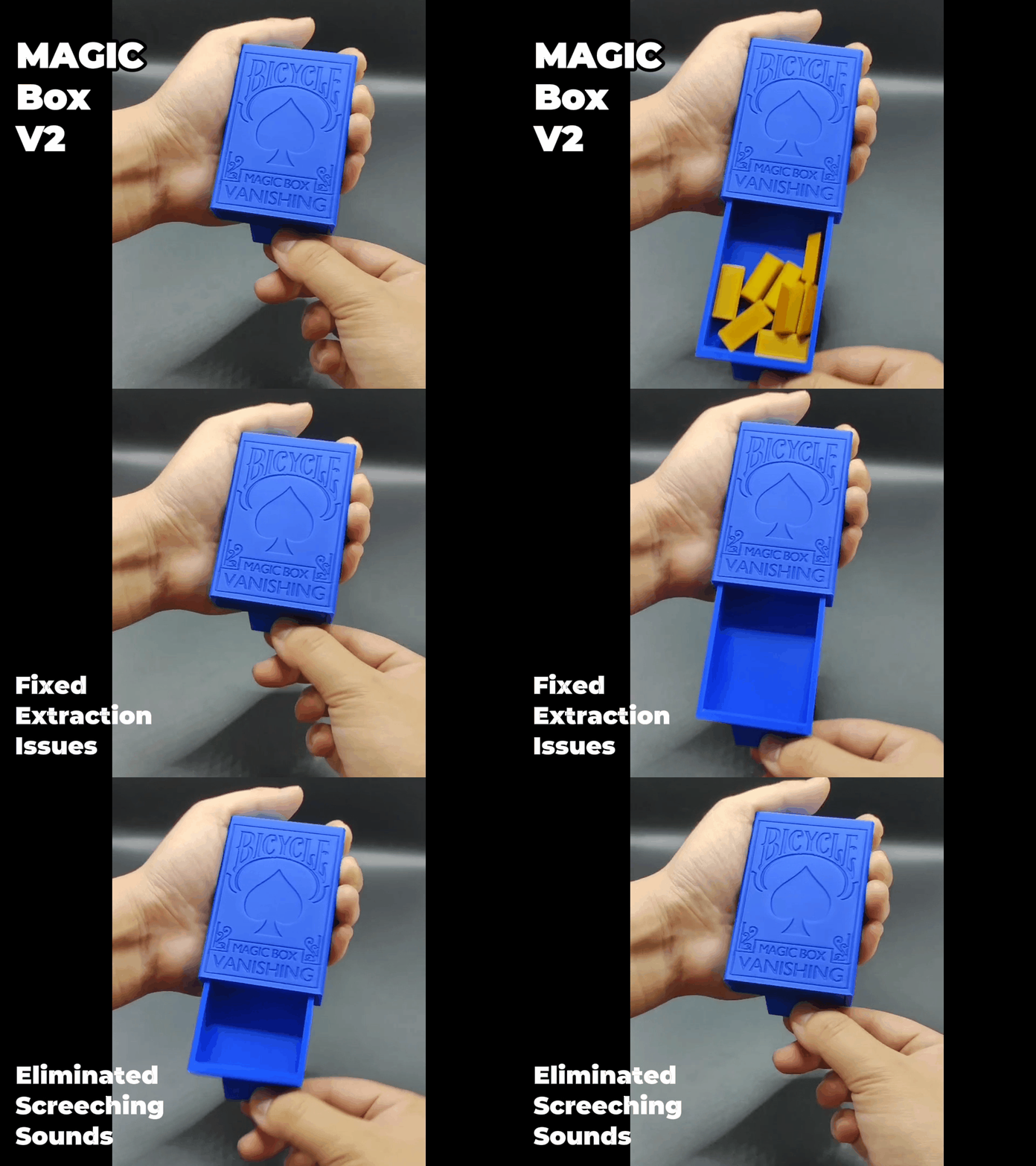

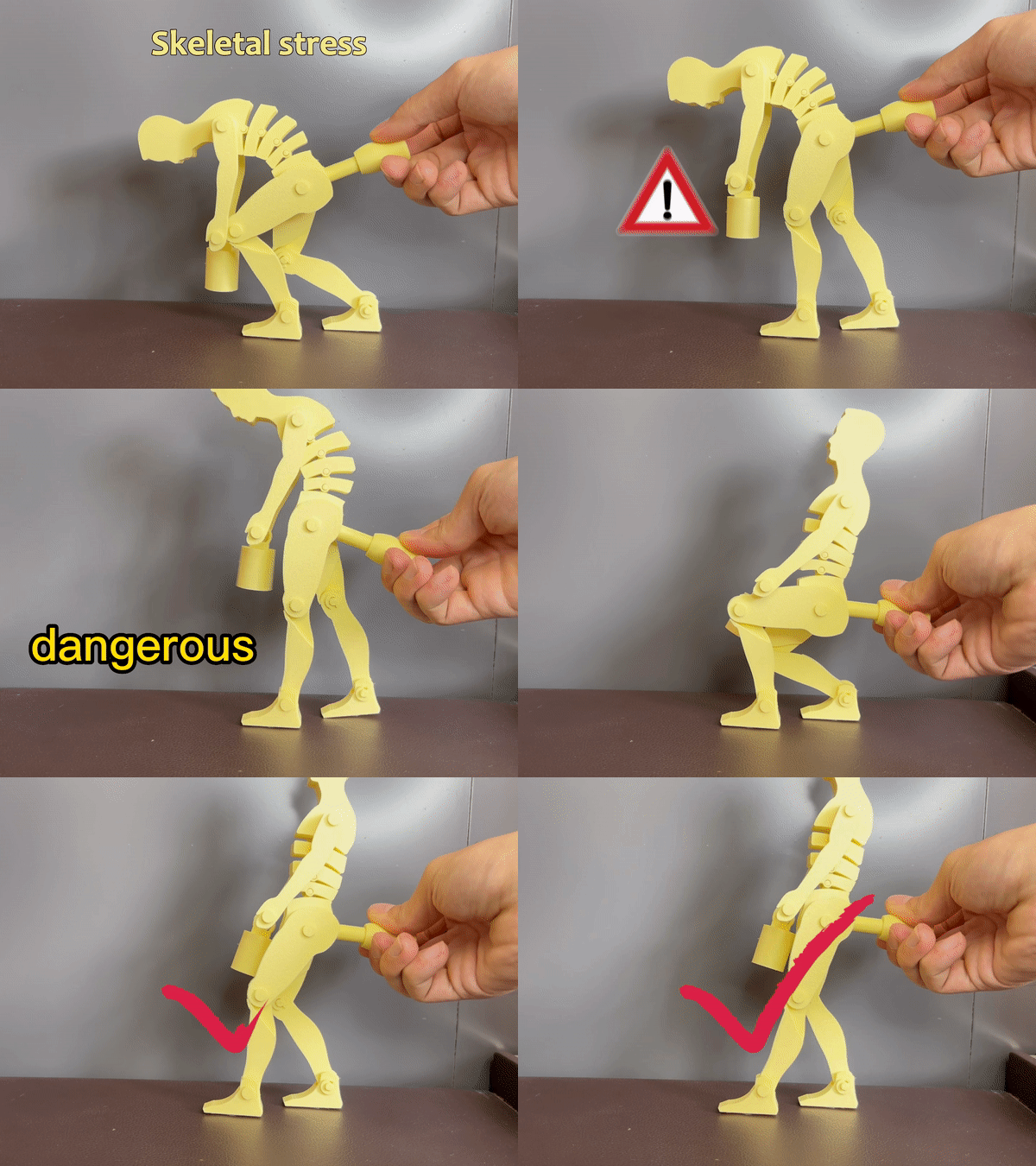




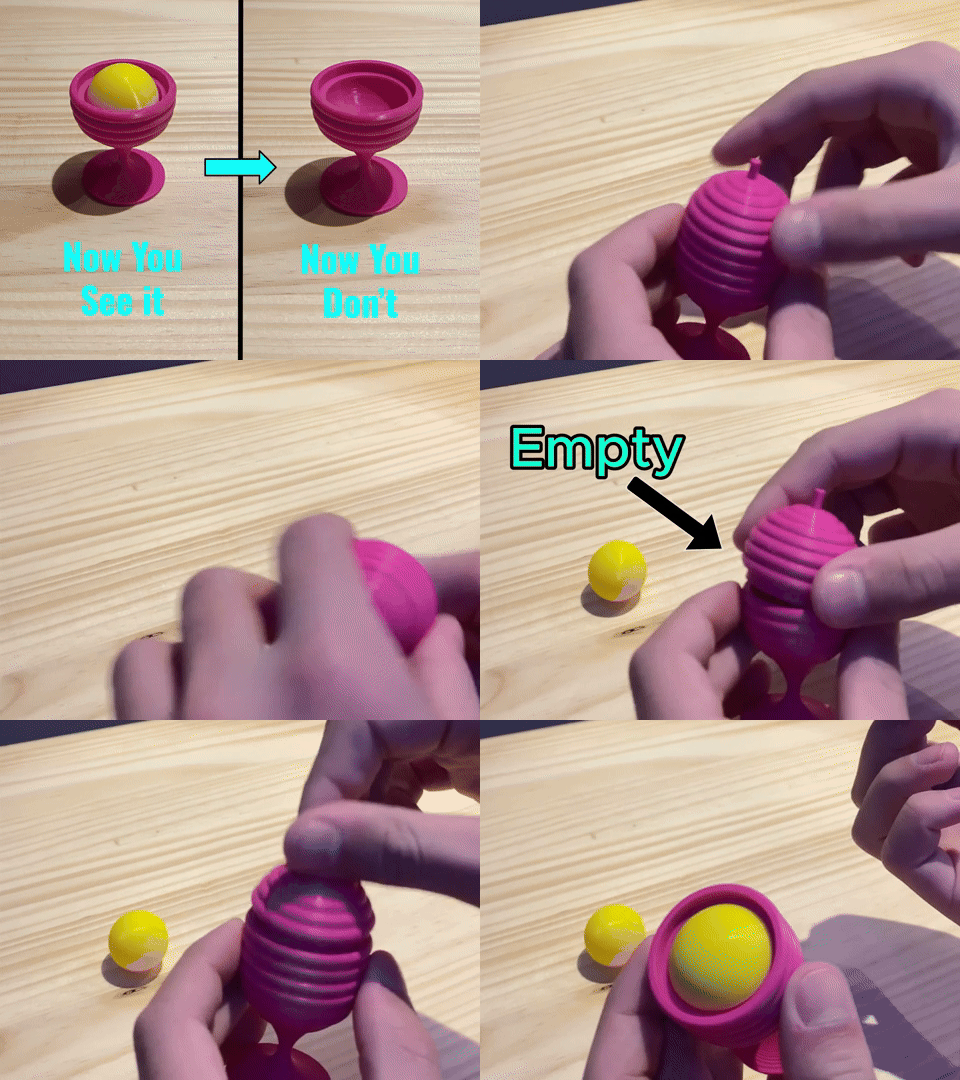

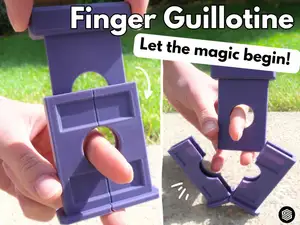

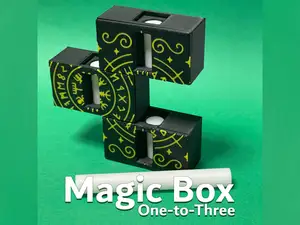

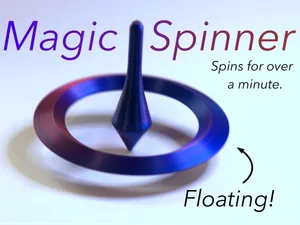

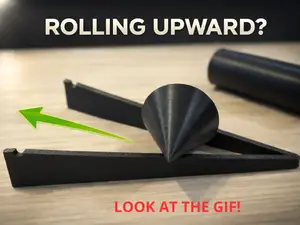
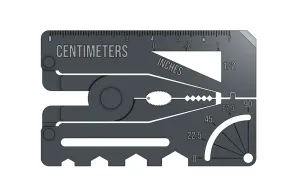
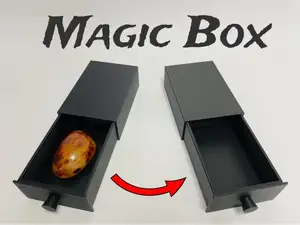

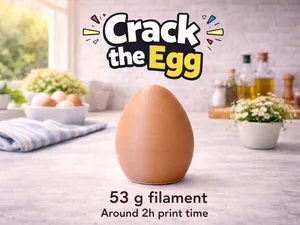

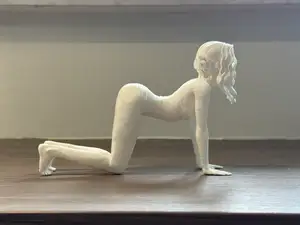

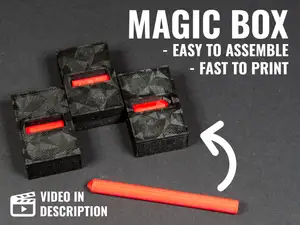

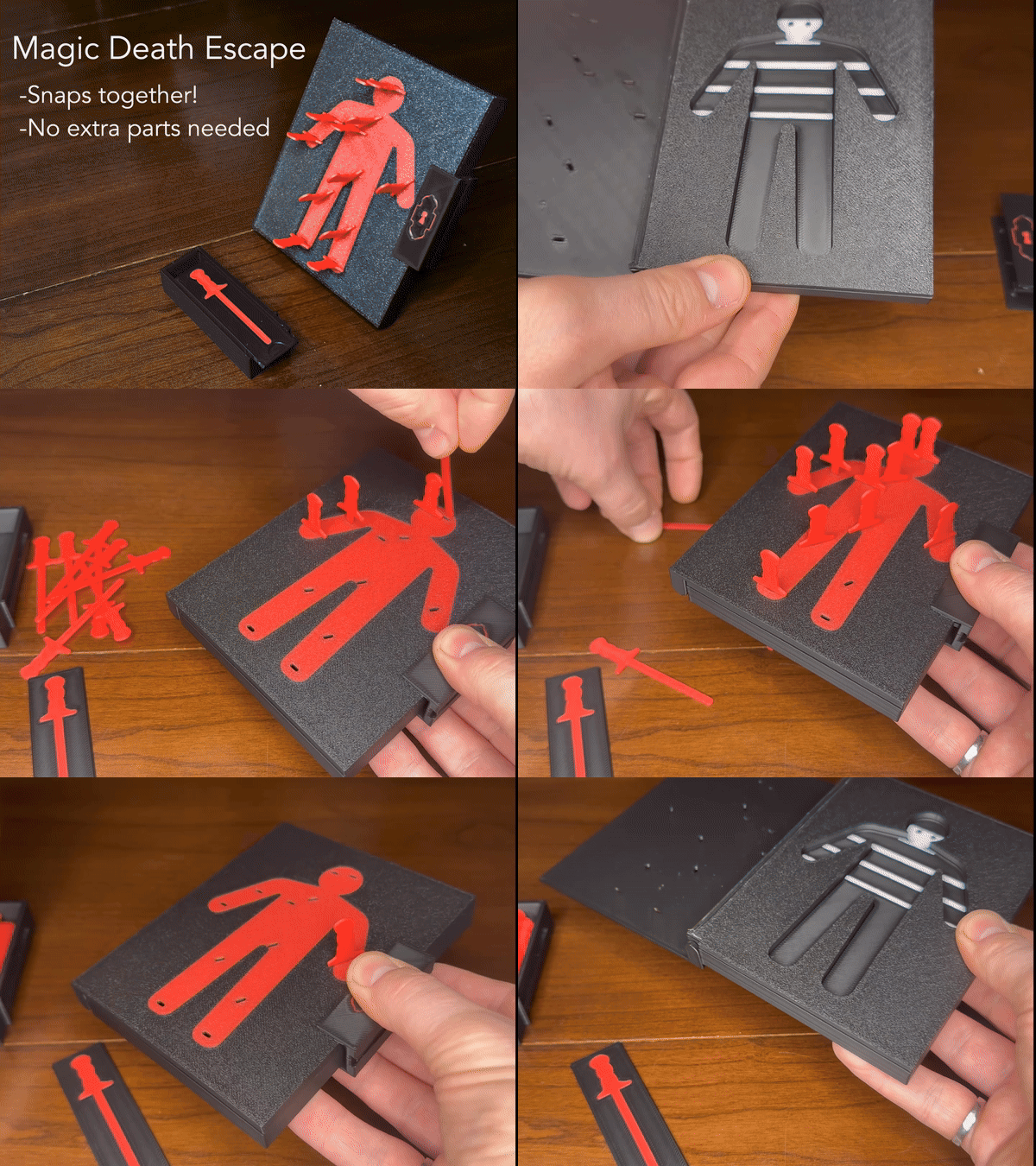

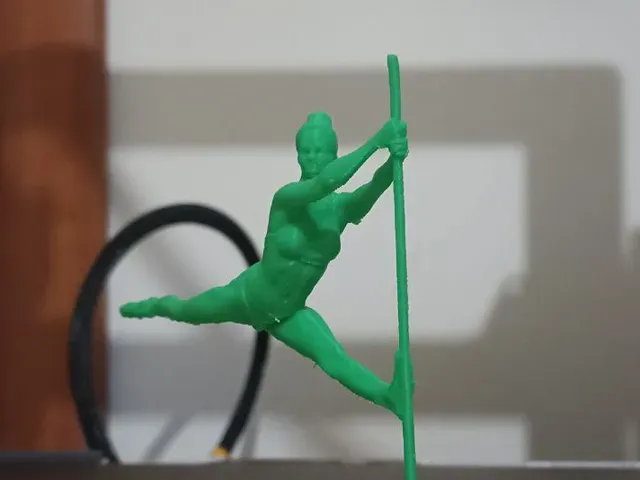
The kinds of models here differ in what they are meant to do. Illusion and trick props usually hide a compartment, a sliding panel or a hinged lid, while figure models focus on pose and balance, including pairs of dancers or grouped human figures. Prank and novelty items are simple shapes with one moving or revealing element, and scenery pieces are flat bases and toppers meant to sit around other models.
When choosing a file, read the author's page before downloading. Check the stated size and scale, the number of parts and whether assembly is required, and whether the geometry needs supports. Look at the material and print settings the author lists, and at photos of real prints rather than only renders, since thin walls on a box or narrow joints on a figure behave differently at small scales.
You can widen or narrow the search with related wording. Try synonyms such as illusion, gimmick, stage prop, gag, novelty, figurine, statue, dancer, duo or pair, and combine them with terms like articulated, snap-fit or multi-part. Related topics that often appear alongside these models include tabletop scenery, mechanical puzzles and fidget toys, which can be useful when you want a similar assembly style.
For moving parts, plan the clearances before printing. Hinges, sliders and interlocking pieces usually need a test print at the final scale, because a small change in nozzle diameter or material shrinkage can make a joint too tight or too loose. If a model is split into several pieces, decide in advance how you will align and join them.


Ev ve günlük yaşamdan CNC'ye kadar tüm konuların kataloğu; bağlı sitelerin hepsinde arama yapabilirsiniz.