
Ücretsiz 
Pet Door for Window
Thingiverse
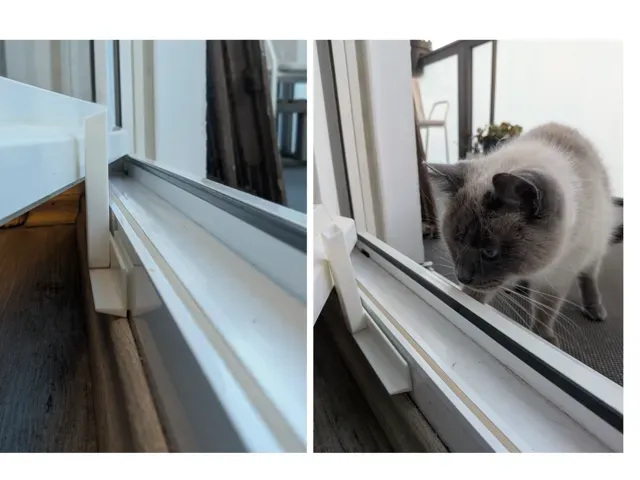
This collection gathers 3D models related to pet doors at a front door: swinging flaps, frames, window and screen inserts, and stops or locks that hold a door open or shut. The files come from several platforms, so the level of detail in the descriptions varies. It is a starting point for 3D printing when you want a cat or dog to pass through a door without leaving it open. Polyzon does not confirm whether models are free, their price, license, official status, affiliation, safety or fitness. Check the current terms at the source.
Bu koleksiyonun metni İngilizce; arama ise her dilde çalışır.
 Bir Polyzon koleksiyonu · 47 model 3 siteden
Polyzon bu koleksiyonu bağlı sitelerdeki arama sonuçlarından oluşturur. Tekrarlar ve önizlemesi olmayan modeller çıkarılır, zayıf eşleşmeler sona alınır, geri kalanlar arama sırasını korur. Modeller yazarlarına aittir; her modelin sayfasındaki koşulları kontrol edin.
Seçim kuralları: Polyzon editör ekibi · Metin güncellendi: 13.10.2026

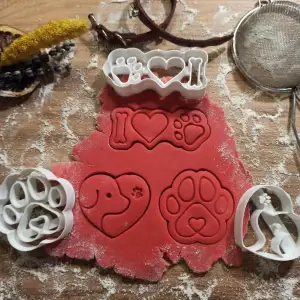

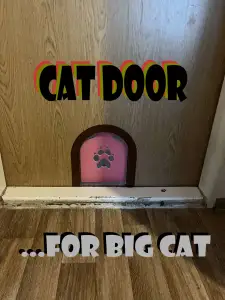

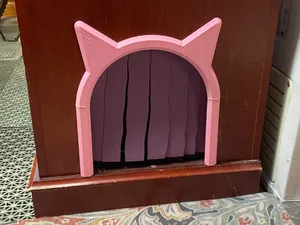
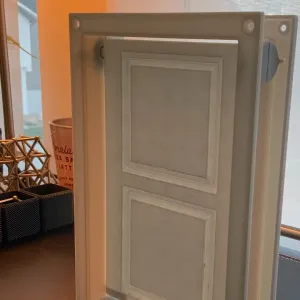

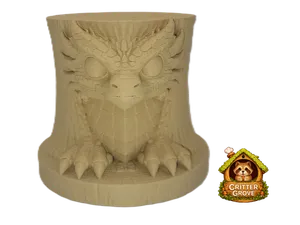
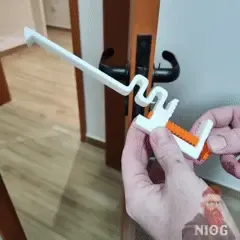

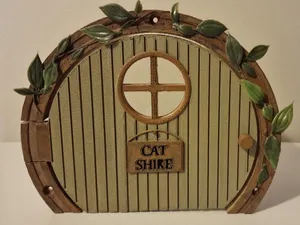
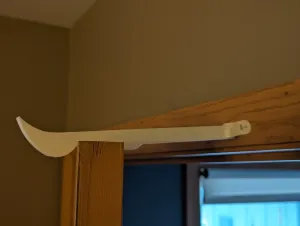

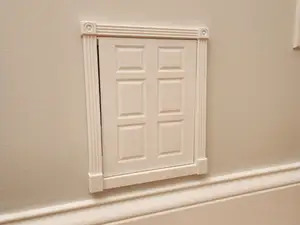
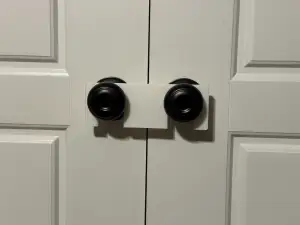

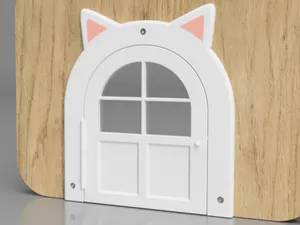
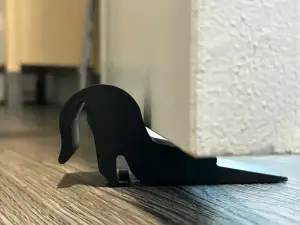

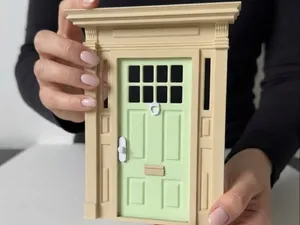
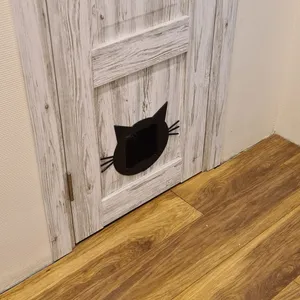

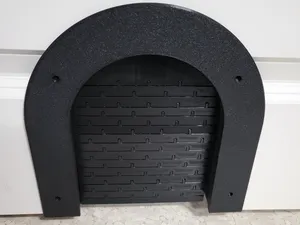
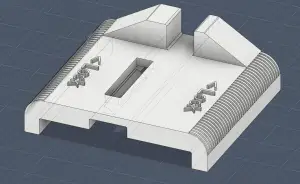

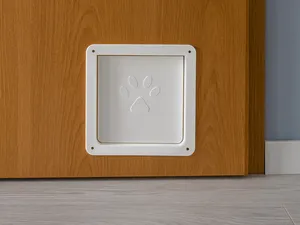
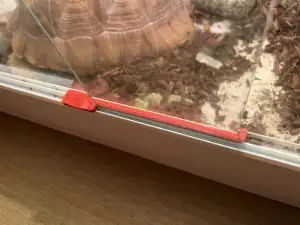

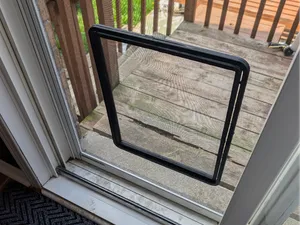
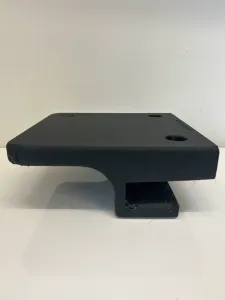

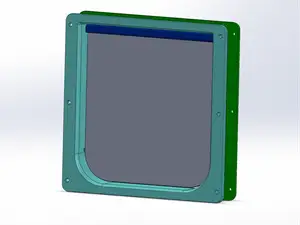
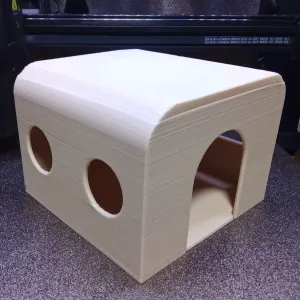

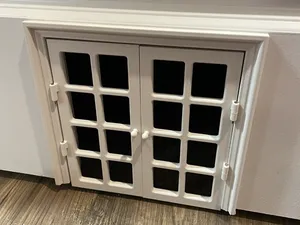
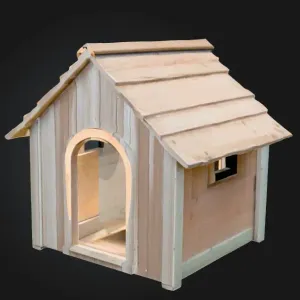

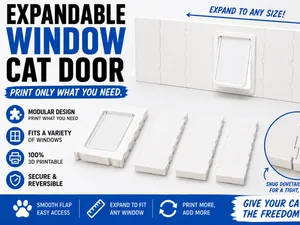
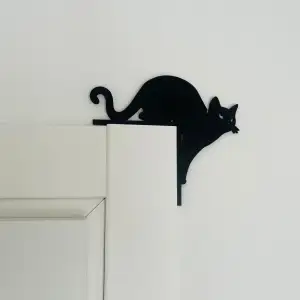

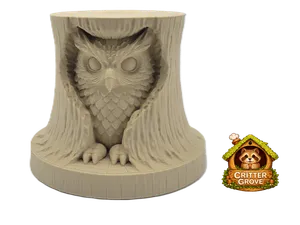
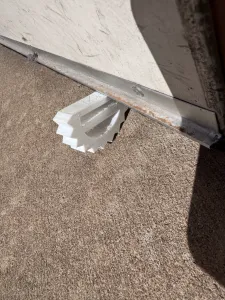
The models fall into a few groups. Swinging flaps and interior pet doors are shaped around a cutout in a door or wall, while window and screen inserts replace or sit inside an existing panel. Frames and trim pieces cover the edges of the opening, and stops, holders and screw locks are separate small parts that keep a door or flap in a chosen position. Some entries are decorative or accessory items with a pet theme rather than the door itself.
Before printing, read the author's page for the opening size and the panel thickness the model expects, since a front door and an interior door differ in both. Check how many parts the model has and how they join, whether the author lists supports, and which material and settings were used. Photos of real prints help you judge wall thickness and how the flap or hinge is meant to move.
If the results are thin, try other phrasings: cat flap, pet flap, dog door, door insert, door panel cutout, or the room or surface involved, such as screen door, sliding door or wall. Related searches include door stops, door holders, hinges and trim, which often appear as separate models and can be combined with a flap. Adding the door type or the animal's size narrows the list further.
Measure the opening and the door thickness first, then compare those numbers with the dimensions given on the model page. Consider how the part will be fixed: screws, adhesive or a friction fit all change the shape of the frame. If the model is split into several pieces, plan the print orientation so the load on the flap or hinge runs along the layers rather than across them.




Ev ve günlük yaşamdan CNC'ye kadar tüm konuların kataloğu; bağlı sitelerin hepsinde arama yapabilirsiniz.