
Ücretsiz 
Campbell planter pot self watering planter that reuses 4inch 100mm food can
Thingiverse
This collection gathers 3D models of planter pots that hold a water reservoir and feed the soil gradually. It covers compact round pots, rectangular and wall-mounted versions, and parametric designs you can resize. All of them are made for 3D printing, so the choice usually comes down to the pot size, the watering method and the number of parts. Polyzon does not confirm whether models are free, their price, license, official status, affiliation, safety or fitness. Check the current terms at the source.
Bu koleksiyonun metni İngilizce; arama ise her dilde çalışır.
 Bir Polyzon koleksiyonu · 48 model 4 siteden
Polyzon bu koleksiyonu bağlı sitelerdeki arama sonuçlarından oluşturur. Tekrarlar ve önizlemesi olmayan modeller çıkarılır, zayıf eşleşmeler sona alınır, geri kalanlar arama sırasını korur. Modeller yazarlarına aittir; her modelin sayfasındaki koşulları kontrol edin.
Seçim kuralları: Polyzon editör ekibi · Metin güncellendi: 13.10.2026


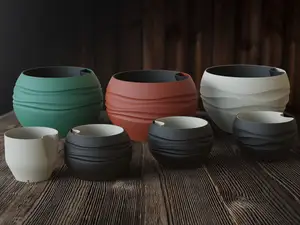

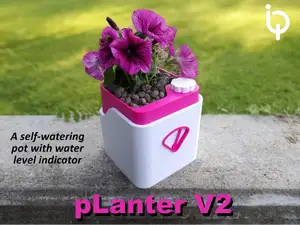

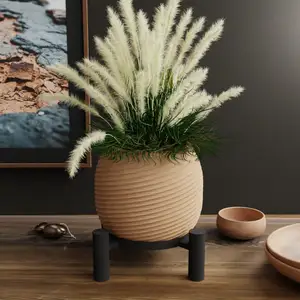
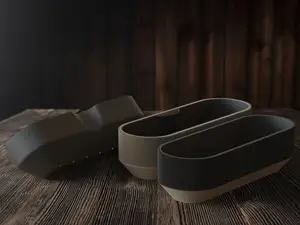
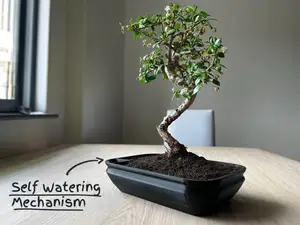
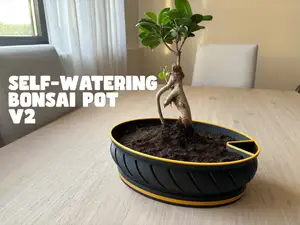

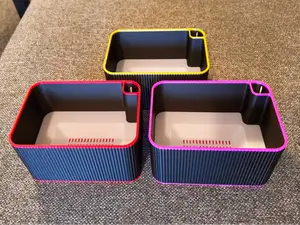
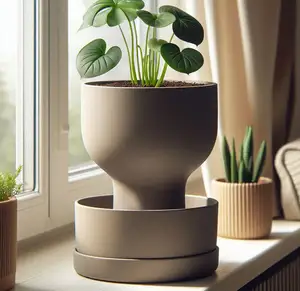
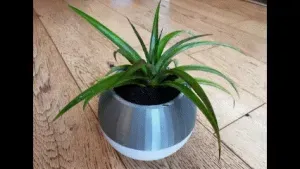


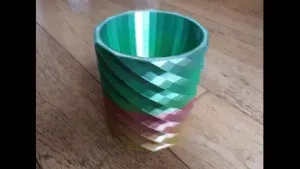
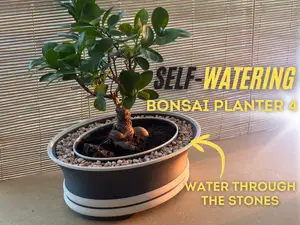

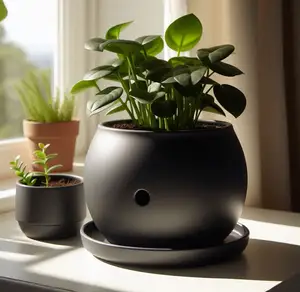

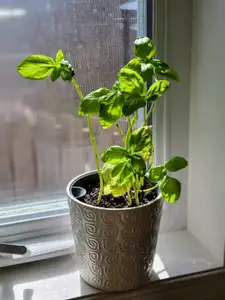

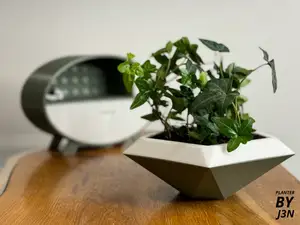
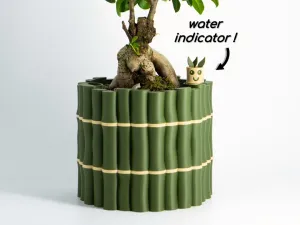

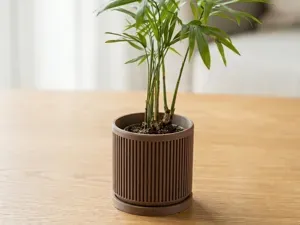
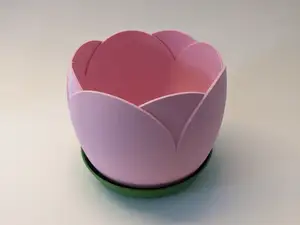
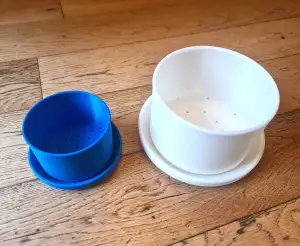

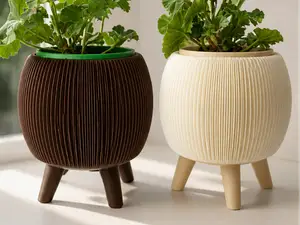


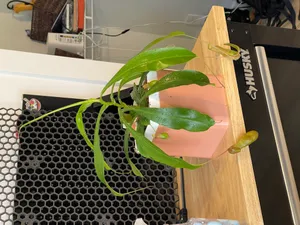
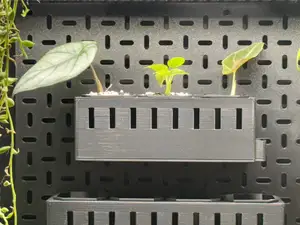
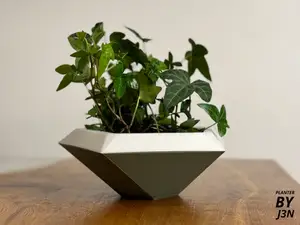
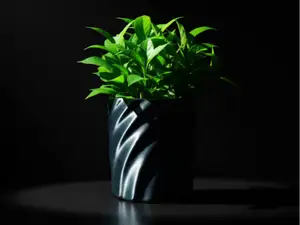

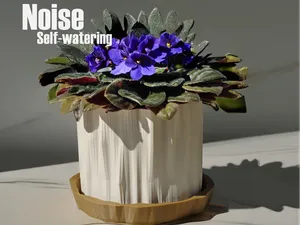
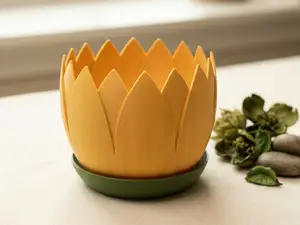
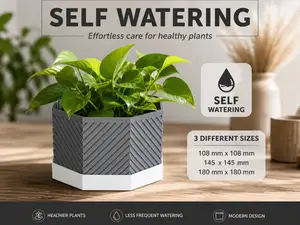
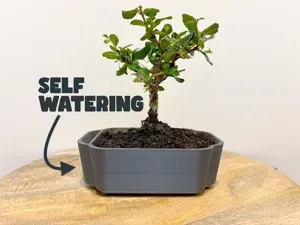
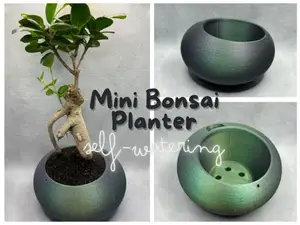
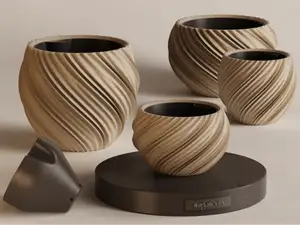
The models differ mainly in how water reaches the soil. Some use a wick or a porous insert, others rely on a slow-drip top or a separate inner basket that sits above the reservoir. There are single-piece designs and multi-part ones where the outer pot, inner pot and lid print separately and then assemble. Wall-mounted and tileable versions add another variable: how the pot is fixed and whether several units can be joined.
Before printing, read the author's page for the outer dimensions, the soil volume and the height of the reservoir, since these decide how often you refill. Check how many parts the model has, whether they need supports, and which material and layer settings the author lists. Photos of real prints help you judge wall thickness, thread fit and how the fill opening is positioned.
If the results look limited, try related wording: self-watering planter, wicking pot, sub-irrigated planter, water reservoir pot, or automatic watering pot. Adding a format or use helps too, such as wall planter, rectangular planter, herb pot or seed starter. Design terms like parametric, tileable or insert often surface variants that a plain pot search misses.
For 3D printing, the reservoir has to stay watertight, so wall count and extrusion matter more than for a decorative piece. A pot that sits on a windowsill also needs a stable base and a fill opening you can reach without lifting the plant. If the model is scaled up or down, recheck the wall thickness and the clearance between the inner and outer parts.


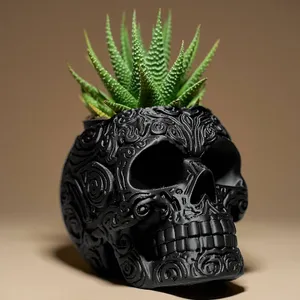
Ev ve günlük yaşamdan CNC'ye kadar tüm konuların kataloğu; bağlı sitelerin hepsinde arama yapabilirsiniz.