
Ücretsiz 
Dark Ride Vehicle/Human Sized Line Follower
Thingiverse
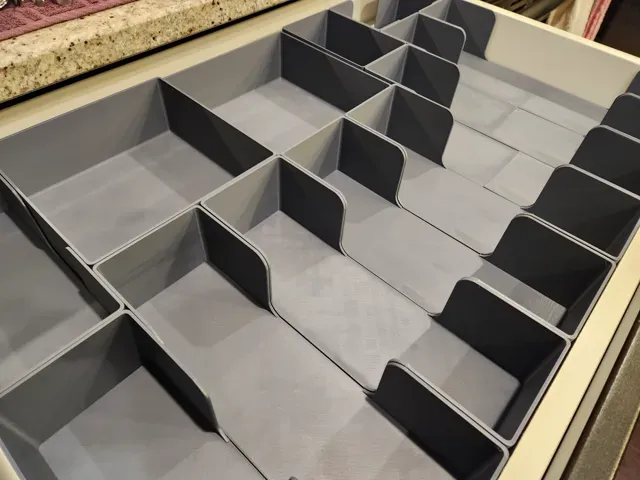
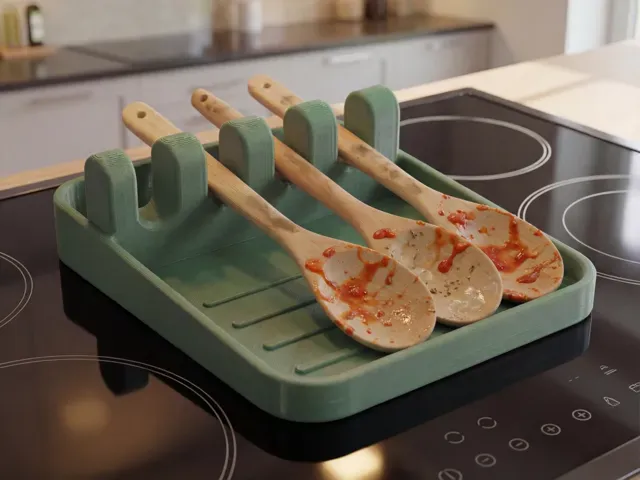
This collection gathers 3D models that store knives and spoons together: countertop stands, drawer trays, modular inserts and drainer-style holders. Each entry comes from a different author, so the geometry, size and assembly vary a lot. It is useful when you want a single object to replace two separate holders on a counter or in a drawer, and you plan to print it on a home 3D printer. Polyzon does not confirm whether models are free, their price, license, official status, affiliation, safety or fitness. Check the current terms at the source.
Bu koleksiyonun metni İngilizce; arama ise her dilde çalışır.
 Bir Polyzon koleksiyonu · 41 model 3 siteden
Polyzon bu koleksiyonu bağlı sitelerdeki arama sonuçlarından oluşturur. Tekrarlar ve önizlemesi olmayan modeller çıkarılır, zayıf eşleşmeler sona alınır, geri kalanlar arama sırasını korur. Modeller yazarlarına aittir; her modelin sayfasındaki koşulları kontrol edin.
Seçim kuralları: Polyzon editör ekibi · Metin güncellendi: 14.10.2026



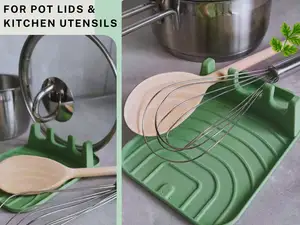

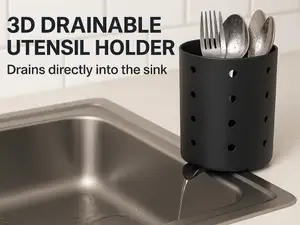

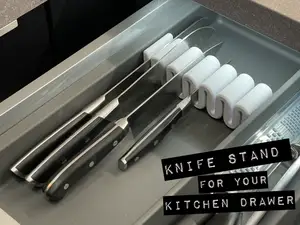



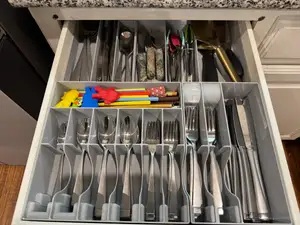

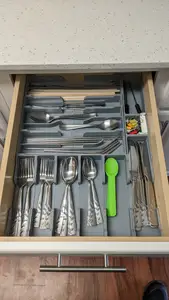

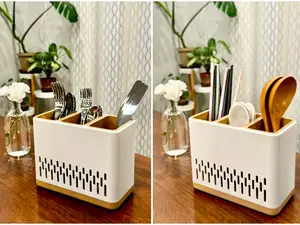

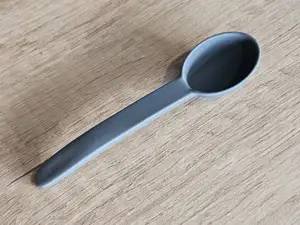

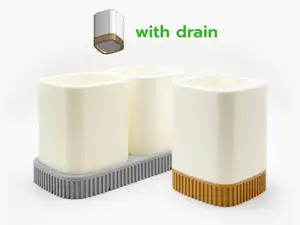

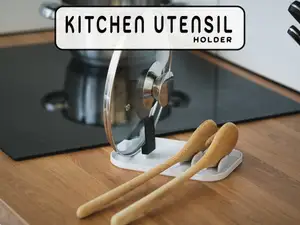

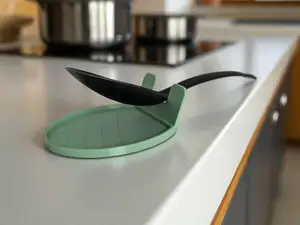

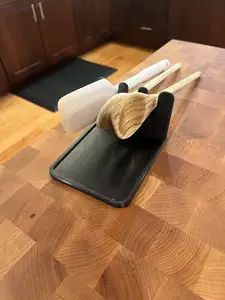

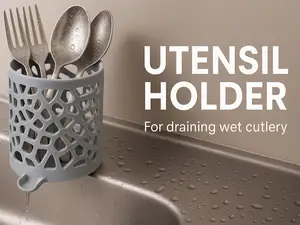

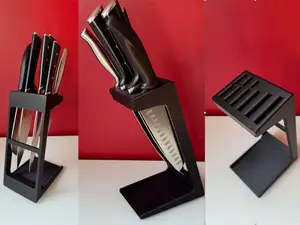

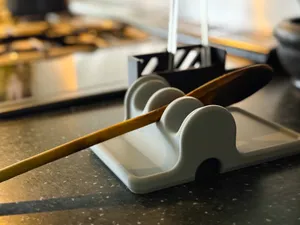

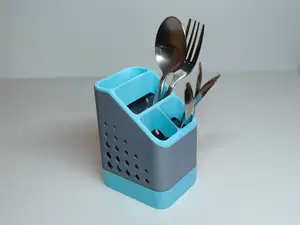

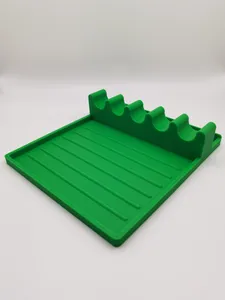
Countertop stands usually split the body into two zones, one for knives and one for spoons, and differ mainly in slot width, height and whether the knives sit vertically or at an angle. Drawer versions take the opposite approach: flat trays, often built on a repeating grid, that keep cutlery separated while the drawer closes. Modular designs add removable or stackable inserts, so the same base can hold different items, while drainer-style holders add openings or a tilted floor so water runs off after washing.
Before printing, open the author's model page and check the overall dimensions against the space you have, the number of separate parts and how they join, and whether the model needs supports. Look at the material and layer settings the author lists, since a tall thin stand and a flat drawer tray behave differently in the same filament. Photos of real prints are the quickest way to judge wall thickness, slot clearance and how the finished object actually looks loaded with cutlery.
If the results feel narrow, try related wording: utensil organizer, silverware tray, cutlery stand, knife block, spoon rest or drawer divider. Searching by where the object goes, such as countertop, drawer or sink, often brings up different designs than searching by what it holds. Grid-based and modular systems are worth a separate search if you want to extend the holder later with matching parts.
A few practical points apply to most of these models. Slots that are too tight grip the blade or handle and are hard to clean; slots that are too wide let items lean. Tall stands tip more easily than low trays, and parts printed in one piece save assembly time but limit how you orient them on the bed.




Ev ve günlük yaşamdan CNC'ye kadar tüm konuların kataloğu; bağlı sitelerin hepsinde arama yapabilirsiniz.