Ücretsiz 
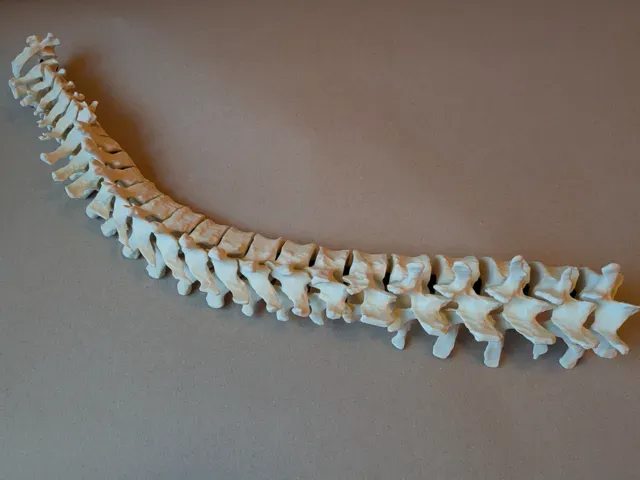
Human Spine with Exposure Stand
Thingiverse
This collection gathers 3D models of the human spine, from full-length articulating assemblies to single vertebrae and skull-and-spine display pieces. It is useful for anatomy study, classroom demonstration and prop work, and every file is meant for 3D printing at home or in a workshop. Most entries differ mainly in scale, part count and how the segments connect. Polyzon does not confirm whether models are free, their price, license, official status, affiliation, safety or fitness. Check the current terms at the source.
Bu koleksiyonun metni İngilizce; arama ise her dilde çalışır.
 Bir Polyzon koleksiyonu · 47 model 4 siteden
Polyzon bu koleksiyonu bağlı sitelerdeki arama sonuçlarından oluşturur. Tekrarlar ve önizlemesi olmayan modeller çıkarılır, zayıf eşleşmeler sona alınır, geri kalanlar arama sırasını korur. Modeller yazarlarına aittir; her modelin sayfasındaki koşulları kontrol edin.
Seçim kuralları: Polyzon editör ekibi · Metin güncellendi: 14.10.2026


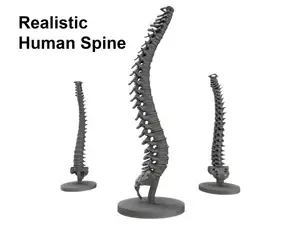





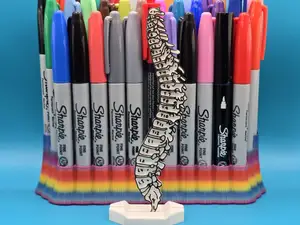

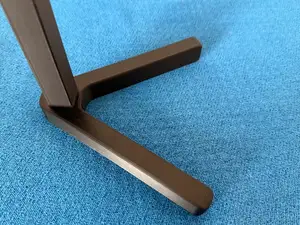


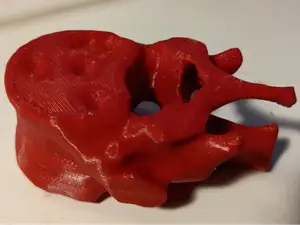
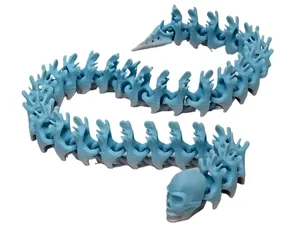


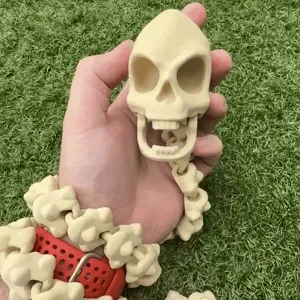


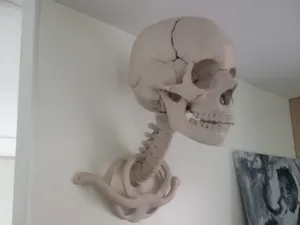


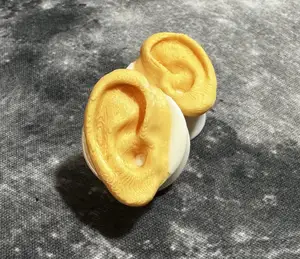


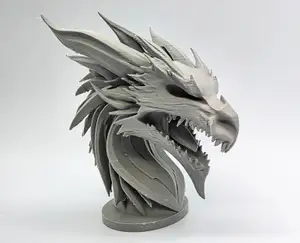


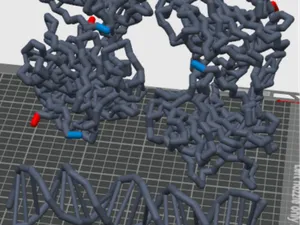


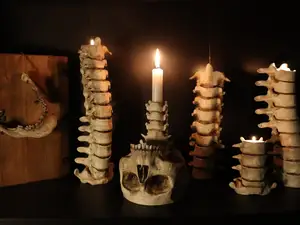


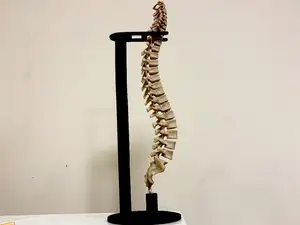


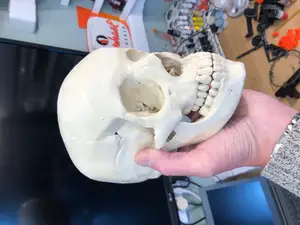
The models fall into a few practical groups. Articulating spines print as many separate vertebrae joined by pins, sockets or printed hinges, so the column bends and holds a pose. Rigid display versions come as fewer, larger pieces and often include a stand, a wall mount or a base for a skull. Segment packs offer individual bones such as cervical or lumbar vertebrae, which is handy when you only need one shape to study or scale up.
Before printing, open the author's model page and read what is listed there. Check the overall size and scale, since full-size and reduced versions need very different build volumes. Look at the number of parts and how they assemble, whether supports are needed, and which material and settings the author used. Photos of real prints show how thin processes, joint gaps and small foramina come out on a finished piece.
Search results widen quickly if you try related wording. Instead of spine, type vertebral column or spinal column; add cervical, thoracic, lumbar, sacrum, atlas or axis to narrow to a region. Related topics such as skeleton, ribcage, skull, anatomy study or cosplay props bring up matching display sets. Combining a region name with a format word like articulating, wall mount or display stand usually trims the list to what you can actually print.
Ev ve günlük yaşamdan CNC'ye kadar tüm konuların kataloğu; bağlı sitelerin hepsinde arama yapabilirsiniz.