Ücretsiz 
chirp wheel
Thingiverse
This collection gathers 3D models built around back stretching: arched stretchers, psoas and trigger-point tools, cervical aids, scratchers and massage grips. Most of them are simple shapes that fit a home 3D printer, so the printed part depends more on scale and material than on the file itself. It is useful if you want to adapt a shape to your own body size instead of buying a fixed one. Polyzon does not confirm whether models are free, their price, license, official status, affiliation, safety or fitness. Check the current terms at the source.
Bu koleksiyonun metni İngilizce; arama ise her dilde çalışır.
 Bir Polyzon koleksiyonu · 48 model 4 siteden
Polyzon bu koleksiyonu bağlı sitelerdeki arama sonuçlarından oluşturur. Tekrarlar ve önizlemesi olmayan modeller çıkarılır, zayıf eşleşmeler sona alınır, geri kalanlar arama sırasını korur. Modeller yazarlarına aittir; her modelin sayfasındaki koşulları kontrol edin.
Seçim kuralları: Polyzon editör ekibi · Metin güncellendi: 15.10.2026
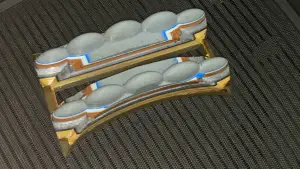

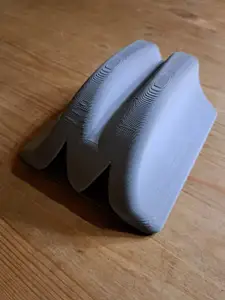
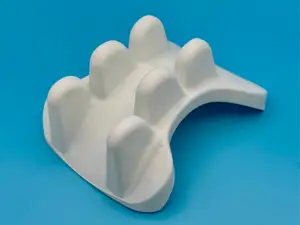
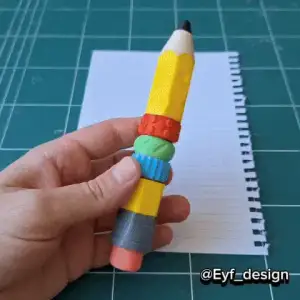

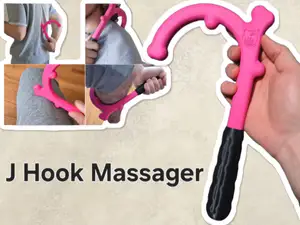
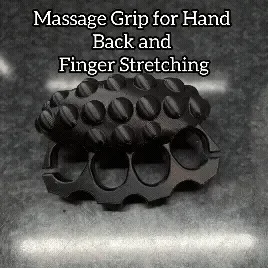

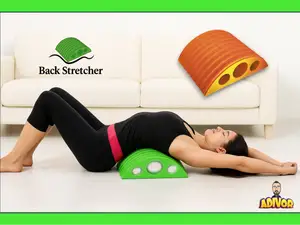

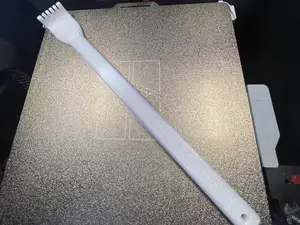
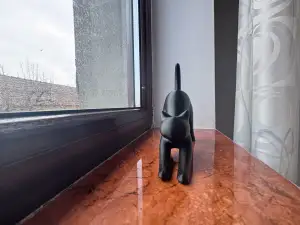

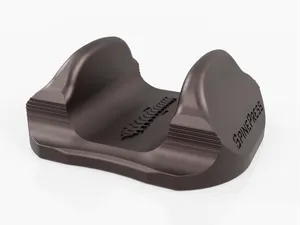
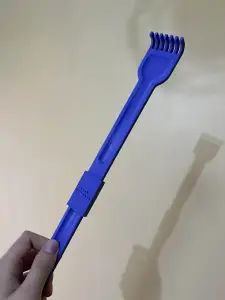

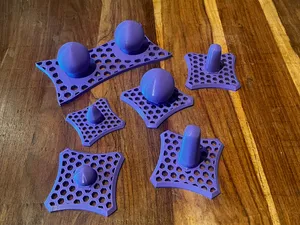
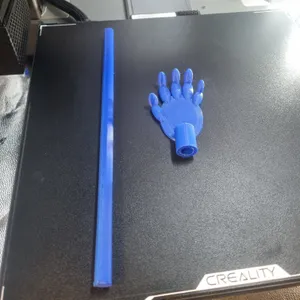

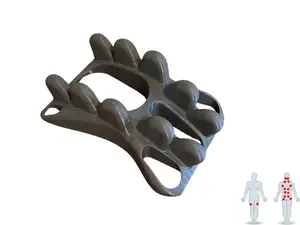
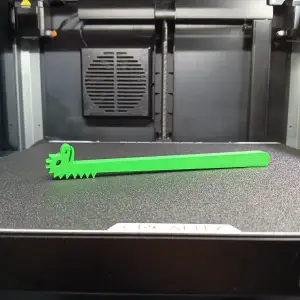

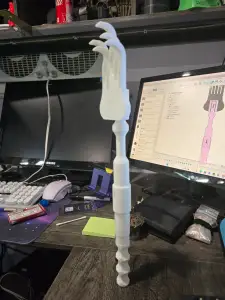

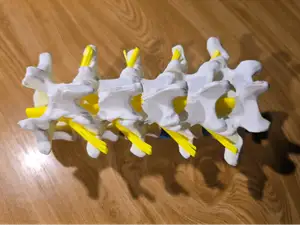
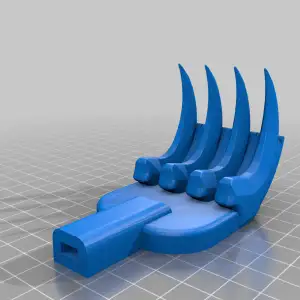



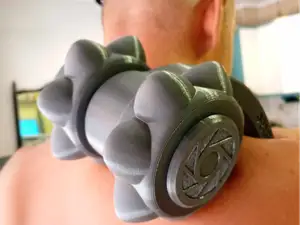


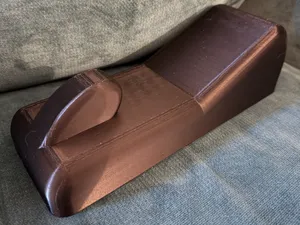


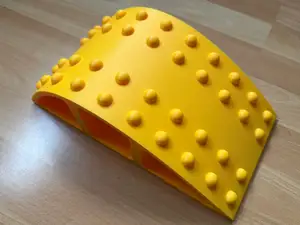

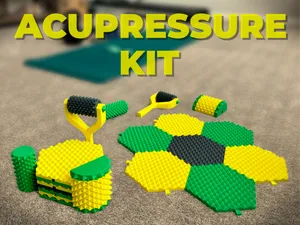

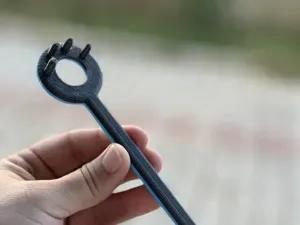
The models differ in how they work. Arched stretchers and spine devices rely on a curved profile you lie on, while psoas frames and trigger-point tools are pressed into a specific spot with the hands or against a wall. Neck aids are usually smaller and shaped around the cervical curve, and scratchers or massage grips are handled rather than leaned on. Some files come as one piece, others as two or more parts that need assembly.
When choosing, open the model page and read what the author lists: overall dimensions, wall thickness, the material and settings used, and whether supports are needed for overhangs. Look at photos of real prints to judge the surface and how the curves sit. Because these parts take body weight or repeated pressure, check the print orientation and infill in the description and decide what fits your own use.
To narrow the results, try related terms such as spine arch, lumbar relief, psoas release, cervical traction, trigger point, myofascial or posture aid. Adding a size or format word, for example large or print-in-place, filters further. If you want a different approach, look at foam-roller style shapes, wall-mounted tools or modular sets that combine several pieces.
A few practical notes help before you start. Long flat parts print better split into sections, and a rounded profile usually needs less cleanup than a sharp edge. If the model is meant to be pressed against a wall or floor, think about how the base will sit and whether you want a softer material at the contact points.



Ev ve günlük yaşamdan CNC'ye kadar tüm konuların kataloğu; bağlı sitelerin hepsinde arama yapabilirsiniz.