
Ücretsiz 
Resistor lead forming tool
Thingiverse
This collection gathers 3D printing files for handling resistors as physical parts: lead bending and straightening tools, storage boxes, drawer cabinets and modular trays. It is useful if you keep loose components on a bench and want them sorted, counted and ready to place into a board. Most files are small STL parts that fit a common 3D printer bed. Polyzon does not confirm whether models are free, their price, license, official status, affiliation, safety or fitness. Check the current terms at the source.
Bu koleksiyonun metni İngilizce; arama ise her dilde çalışır.
 Bir Polyzon koleksiyonu · 46 model 4 siteden
Polyzon bu koleksiyonu bağlı sitelerdeki arama sonuçlarından oluşturur. Tekrarlar ve önizlemesi olmayan modeller çıkarılır, zayıf eşleşmeler sona alınır, geri kalanlar arama sırasını korur. Modeller yazarlarına aittir; her modelin sayfasındaki koşulları kontrol edin.
Seçim kuralları: Polyzon editör ekibi · Metin güncellendi: 14.10.2026



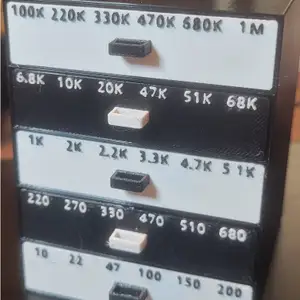


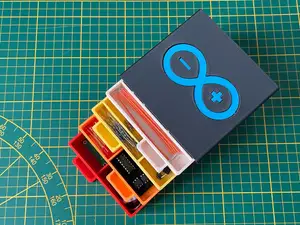
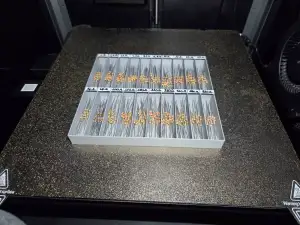


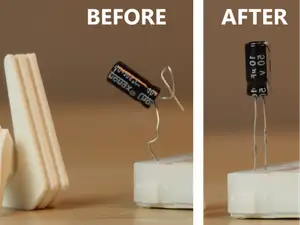
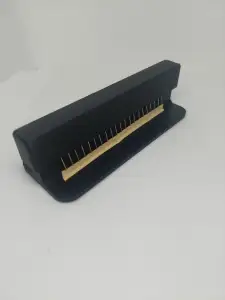


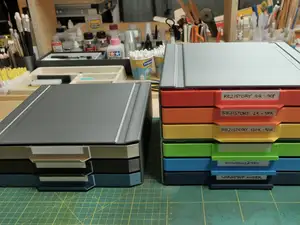
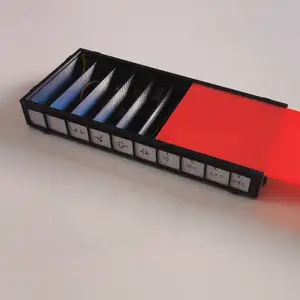

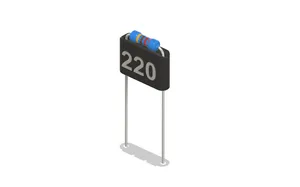
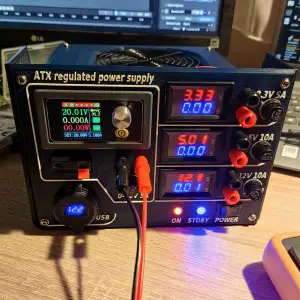


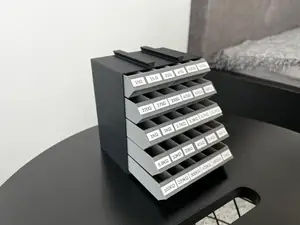


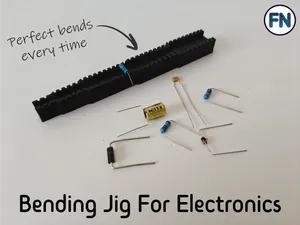
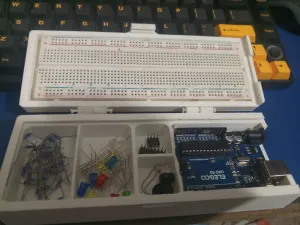


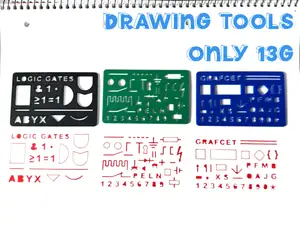
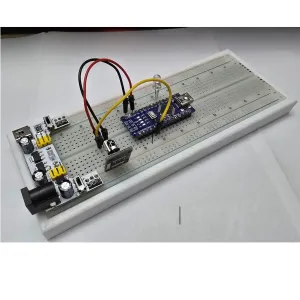


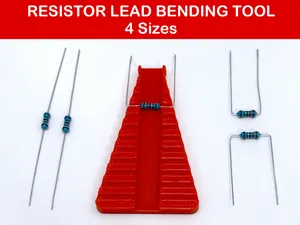
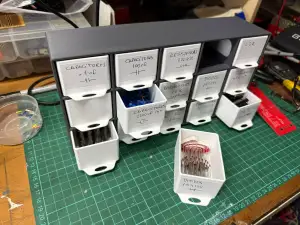


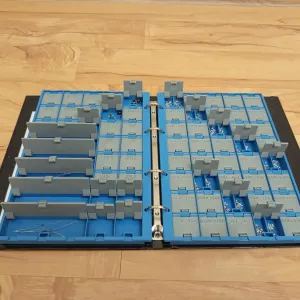

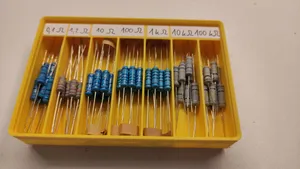
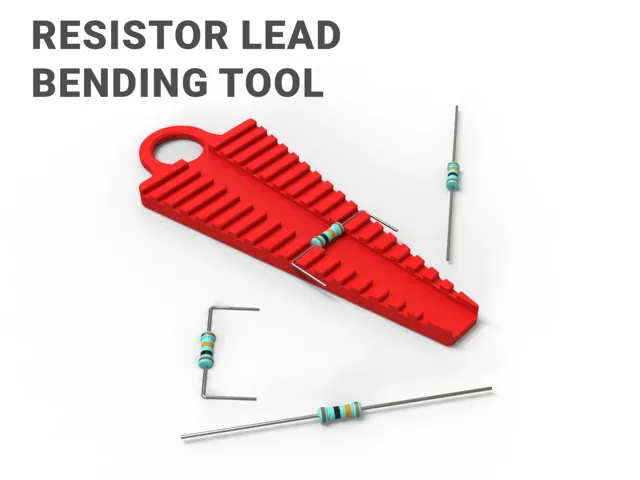
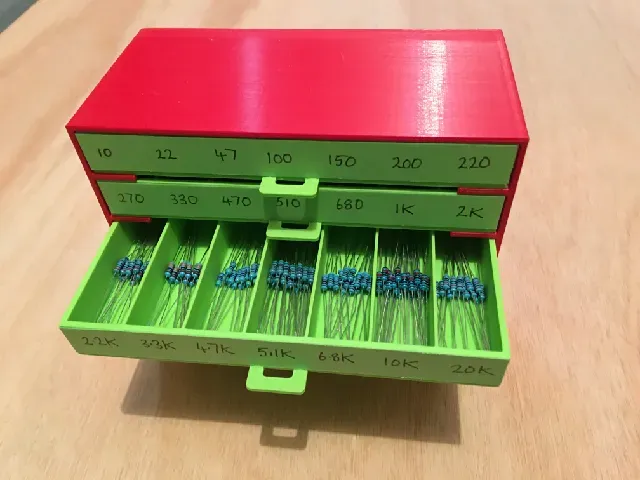
Two main groups appear. The first covers tools that shape the leads: benders, straighteners and forming jigs that fold a lead to a set spacing before insertion. The second covers containers — single boxes, stackable chests, drawer units and grid-based trays that hold parts by value or size. Some designs mix both ideas, adding a forming slot to the lid of a storage box.
When choosing a file, read the author's page for the dimensions it accepts, the number of separate parts, and whether the model expects screws, magnets or glue during assembly. Lead-forming tools depend on the wire diameter and the bend spacing they were drawn for, so compare those values with the resistors you actually use. For containers, check wall thickness, lid fit and whether the tray is meant to sit inside a larger grid system. Photos of printed parts usually show how the drawers slide and how tightly the compartments close.
Print settings matter more here than for decorative models, because thin walls and small clips decide whether a box stays closed. Look at the layer height, wall count and material the author lists, and consider a slight clearance adjustment if parts must move against each other. To widen the search, try terms such as component organizer, electronics storage, SMD tray, breadboard adapter, bench drawer or parts cabinet, and follow related topics like workshop organization or through-hole assembly.



Ev ve günlük yaşamdan CNC'ye kadar tüm konuların kataloğu; bağlı sitelerin hepsinde arama yapabilirsiniz.