
Ücretsiz 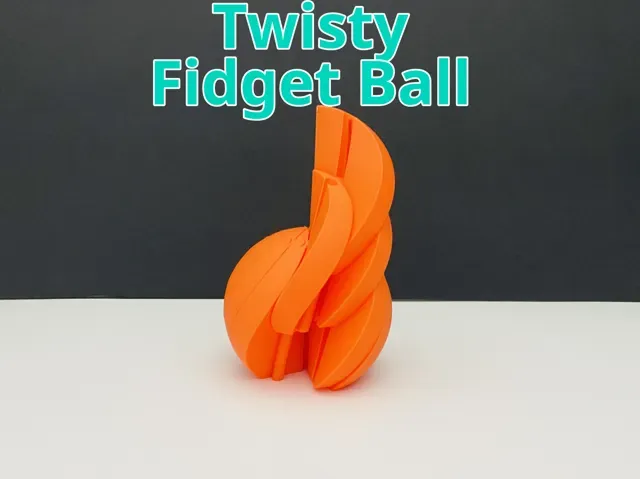
Twisty Fidget Ball
MakerWorld
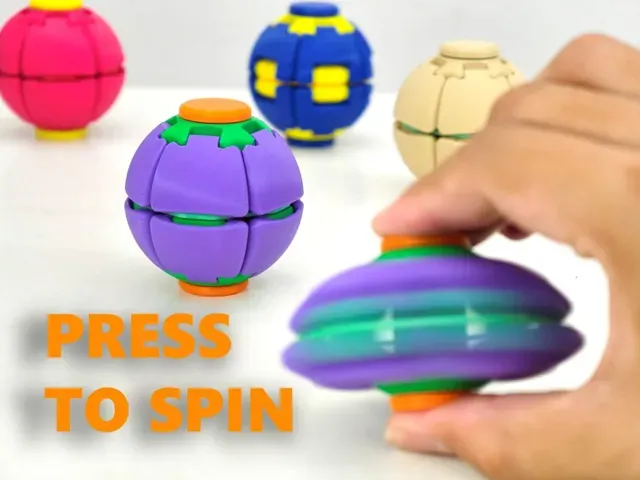
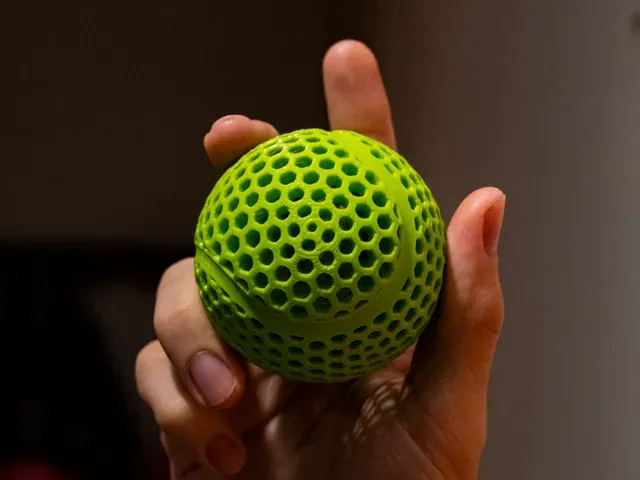
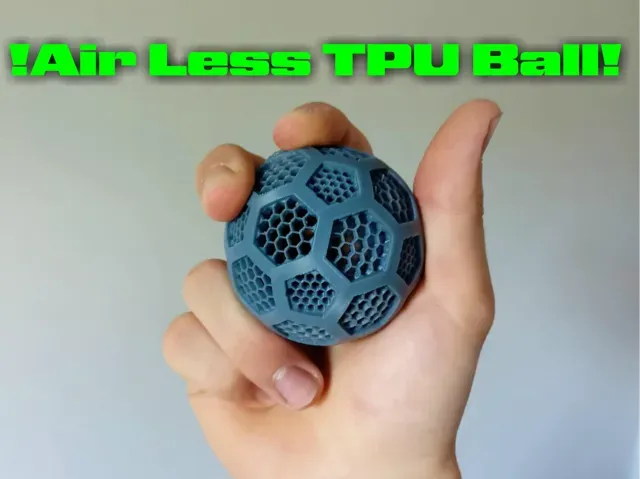
This collection gathers ball-shaped STL models for 3D printing: twisty fidget toys, airless sports balls, valves, bearings and ball-in-ball designs. Some are single-piece toys, others are mechanical parts that depend on careful tolerances. Browsing it helps you pick a direction before opening individual model pages. Polyzon does not confirm whether models are free, their price, license, official status, affiliation, safety or fitness. Check the current terms at the source.
Bu koleksiyonun metni İngilizce; arama ise her dilde çalışır.
 Bir Polyzon koleksiyonu · 47 model 6 siteden
Polyzon bu koleksiyonu bağlı sitelerdeki arama sonuçlarından oluşturur. Tekrarlar ve önizlemesi olmayan modeller çıkarılır, zayıf eşleşmeler sona alınır, geri kalanlar arama sırasını korur. Modeller yazarlarına aittir; her modelin sayfasındaki koşulları kontrol edin.
Seçim kuralları: Polyzon editör ekibi · Metin güncellendi: 10.10.2026
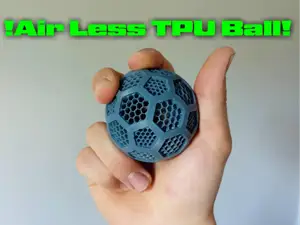

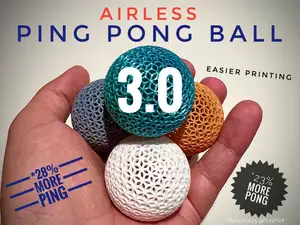
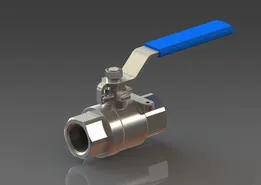
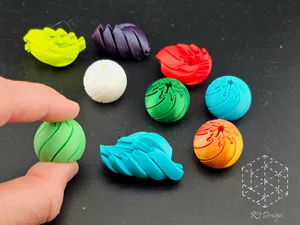
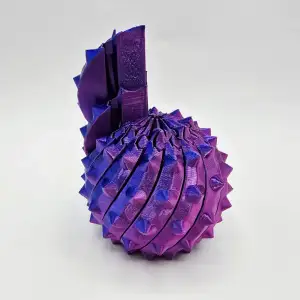

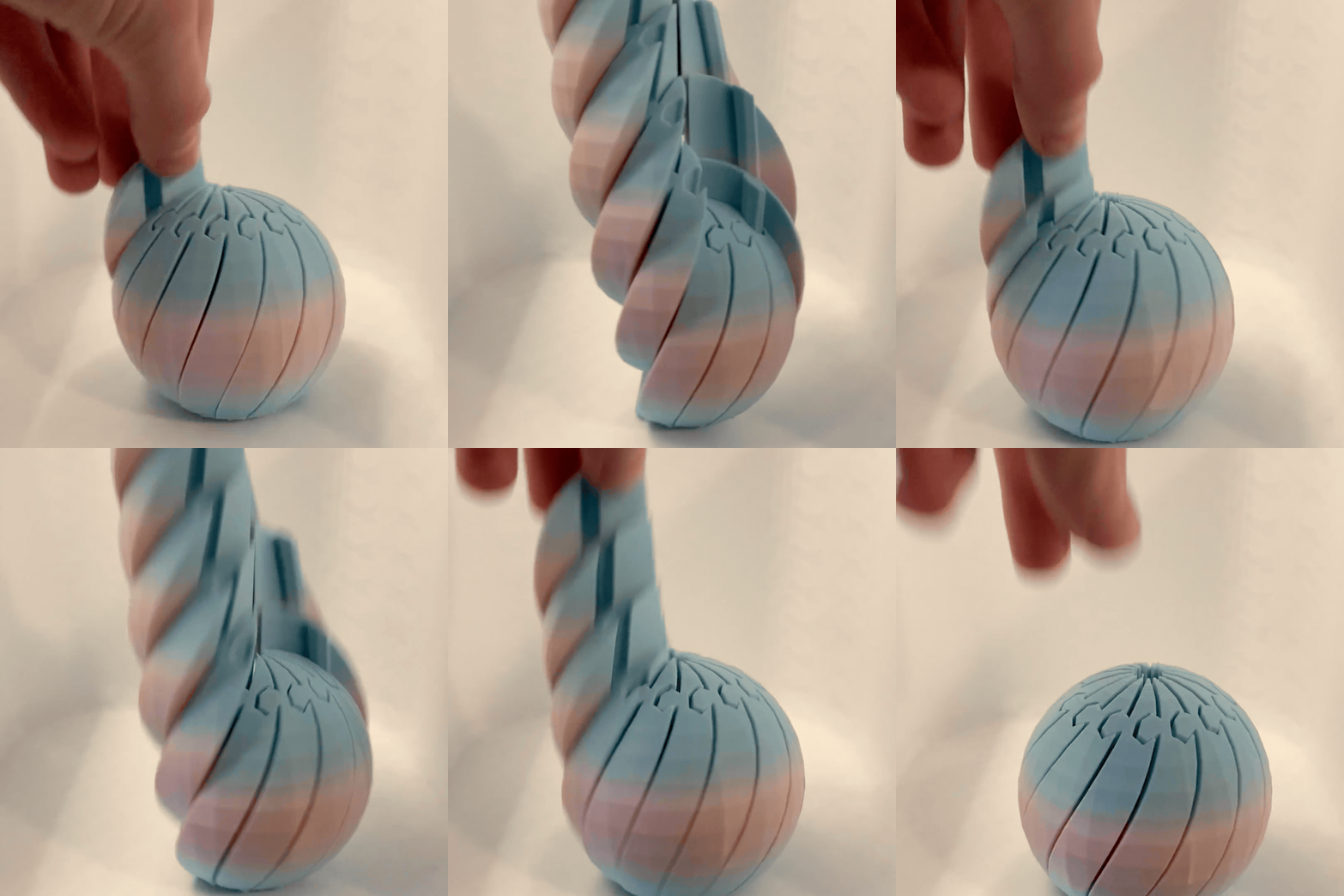


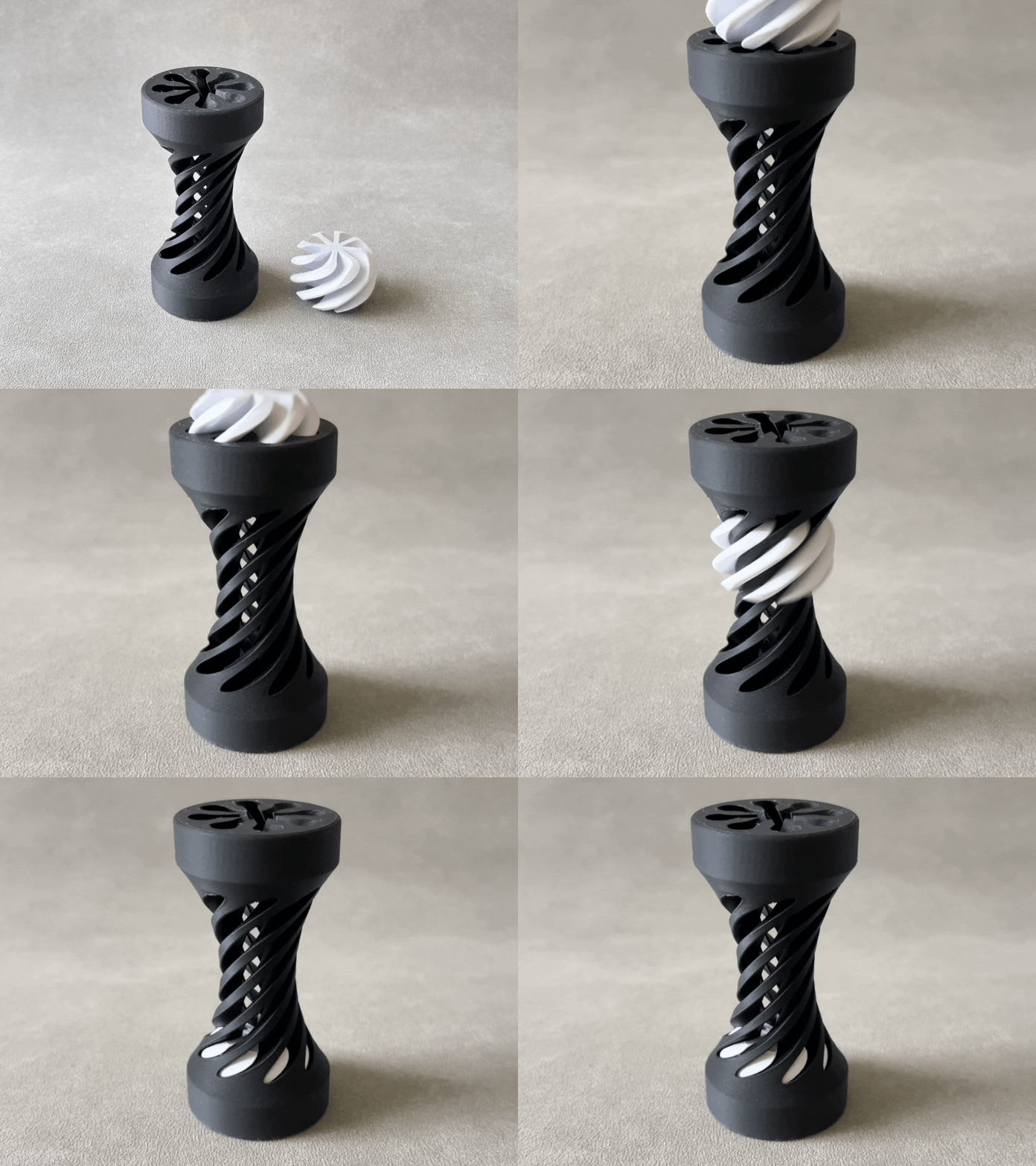
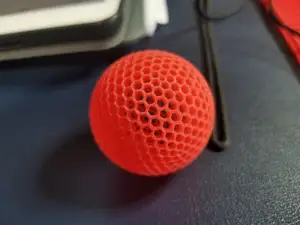

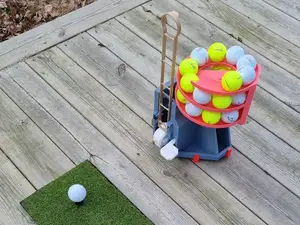

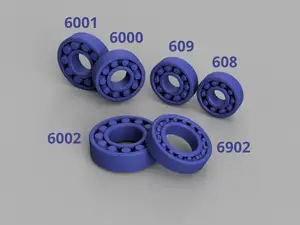
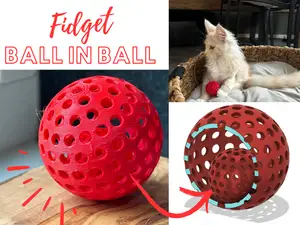
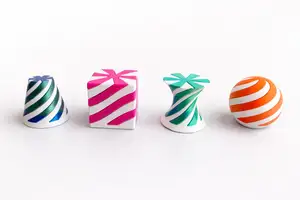

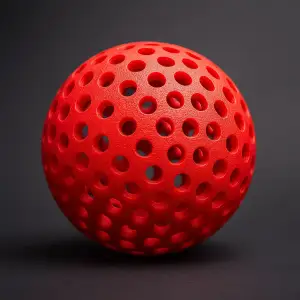
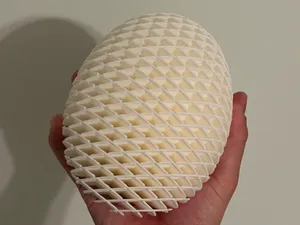


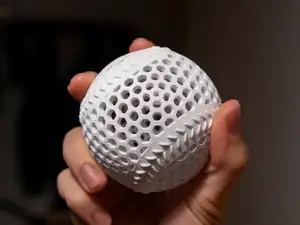
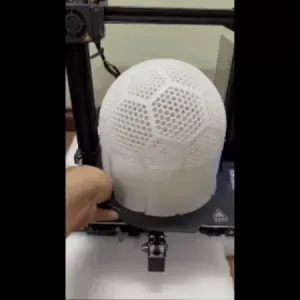


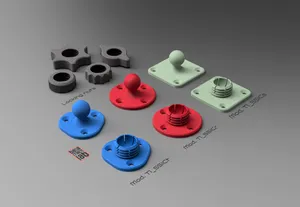
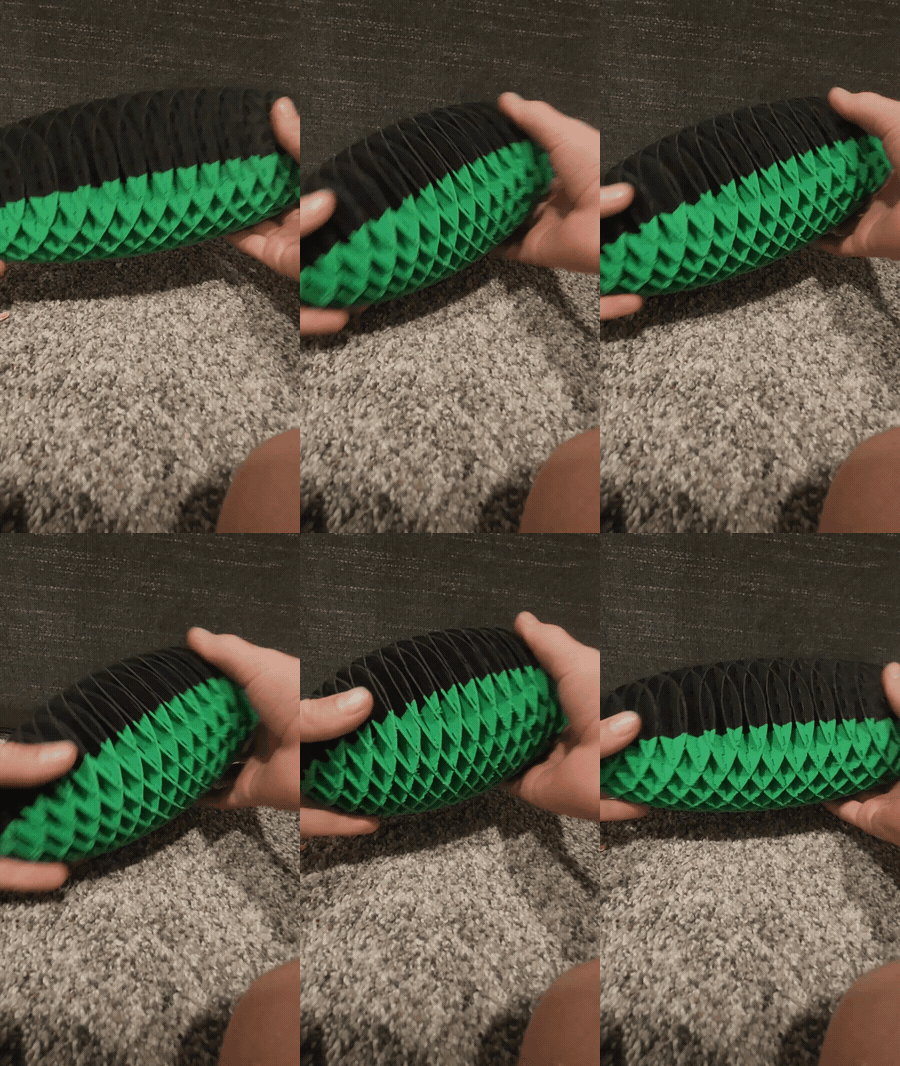
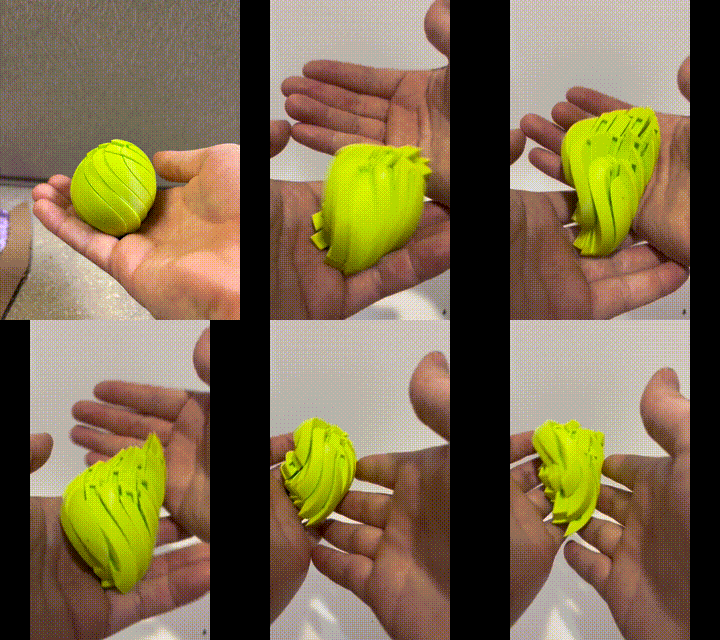

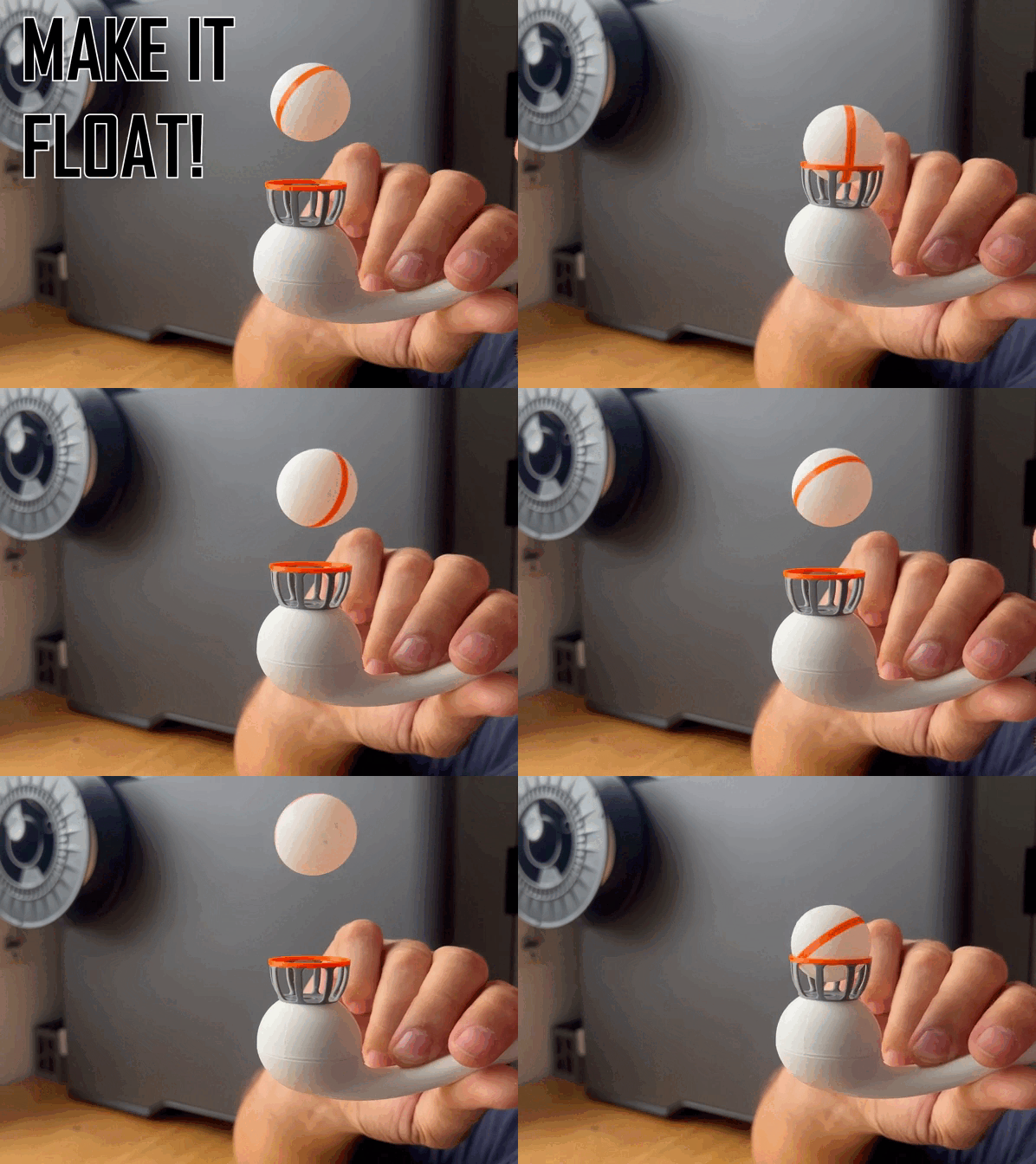
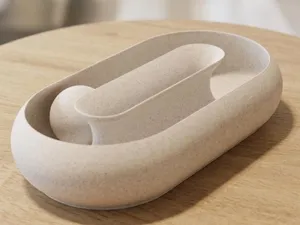
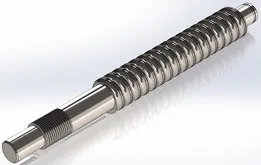
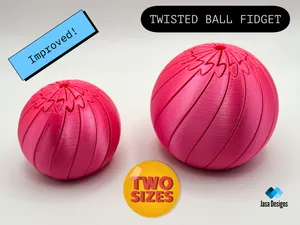

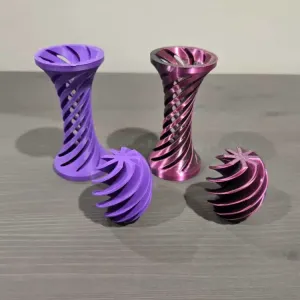


Fidget balls usually consist of nested or interlocking shells that twist, spin or squish in the hand, while airless sports balls replace internal air pressure with a lattice wall. Valves and bearings belong to the mechanical side: they rely on precise clearances between a ball and its housing. Ball-in-ball toys sit in between, combining a simple outer shell with a loose inner sphere.
Before printing, look at the author's page for the number of parts, the wall thickness and the clearances given for moving elements. Flexible designs are usually printed in TPU, rigid shells and mechanical parts in PLA or PETG, but the listed settings matter more than the material name. Check whether supports are needed, how the model is oriented on the plate, and whether the author shows photos of real prints.
If the results feel narrow, try synonyms such as sphere, orb, ball joint or bearing, and combine them with a use: fidget, sensory, desk toy, cat toy, table tennis. Related topics like print-in-place mechanisms, articulated joints and parametric generators often lead to further ball-shaped models. Adding a material or a printer type to the query can narrow the list further.



Ev ve günlük yaşamdan CNC'ye kadar tüm konuların kataloğu; bağlı sitelerin hepsinde arama yapabilirsiniz.