Ücretsiz 
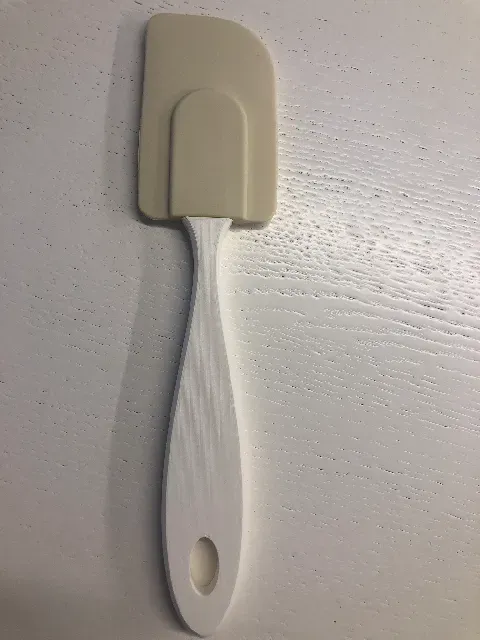
"Shkrabka .2" - Spatula (Spattle)
Thingiverse
This collection gathers 3D models built around a spatula held or guided by hand: replacement handles, flat scraping blades, small paste spreaders and a few novelty shapes. Most files are small enough to print on a desktop 3D printer in one piece. It is useful when a handle has cracked, when a blade shape needs to match a specific task, or when a spatula is wanted as part of a larger hand assembly. Polyzon does not confirm whether models are free, their price, license, official status, affiliation, safety or fitness. Check the current terms at the source.
Bu koleksiyonun metni İngilizce; arama ise her dilde çalışır.
 Bir Polyzon koleksiyonu · 47 model 4 siteden
Polyzon bu koleksiyonu bağlı sitelerdeki arama sonuçlarından oluşturur. Tekrarlar ve önizlemesi olmayan modeller çıkarılır, zayıf eşleşmeler sona alınır, geri kalanlar arama sırasını korur. Modeller yazarlarına aittir; her modelin sayfasındaki koşulları kontrol edin.
Seçim kuralları: Polyzon editör ekibi · Metin güncellendi: 14.10.2026


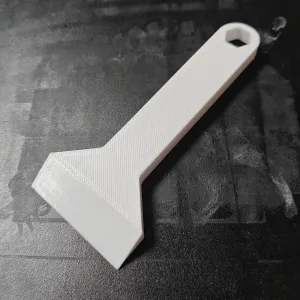


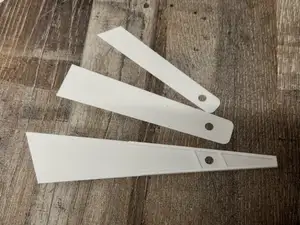
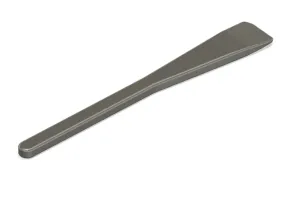


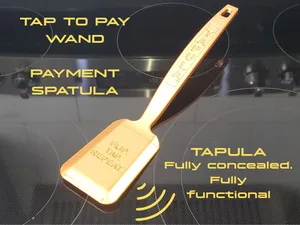
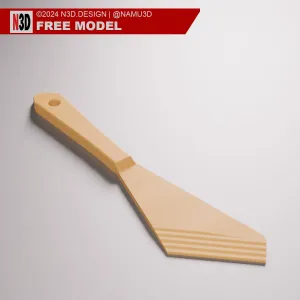
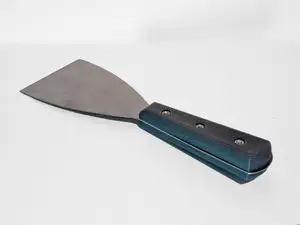
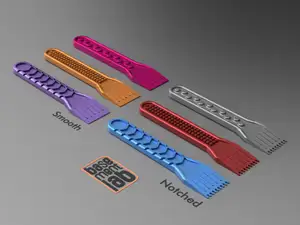
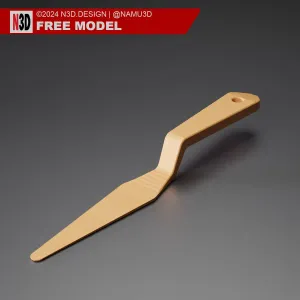


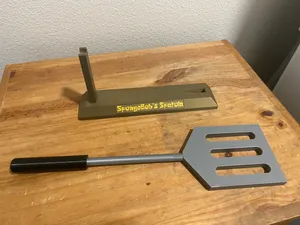
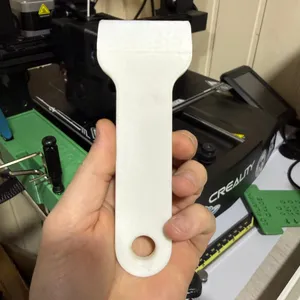


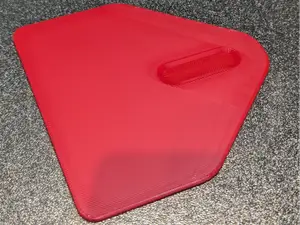
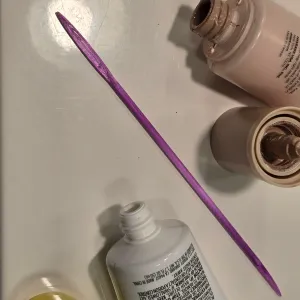


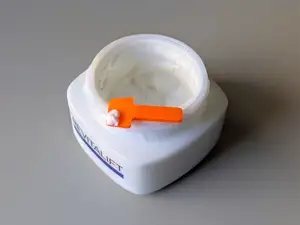
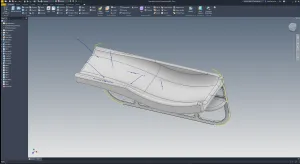

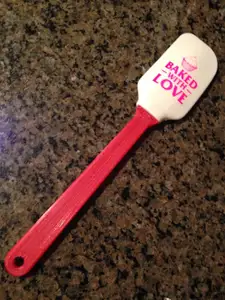
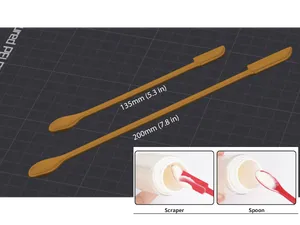
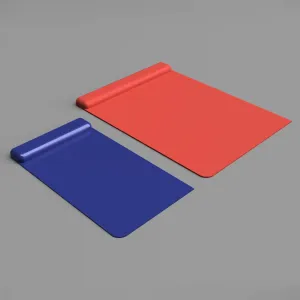

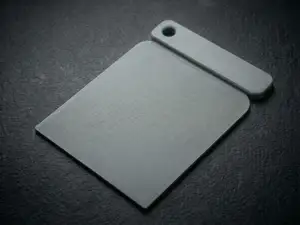
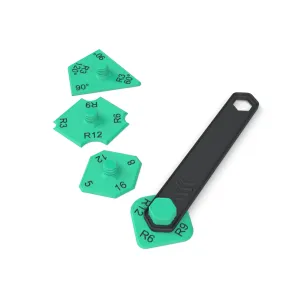

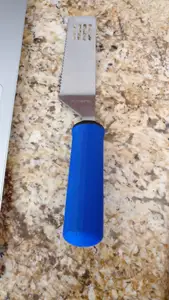
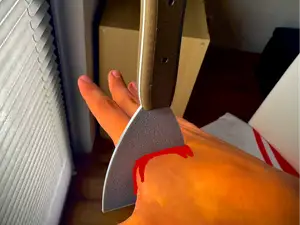
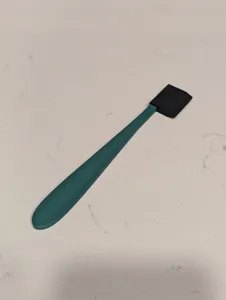

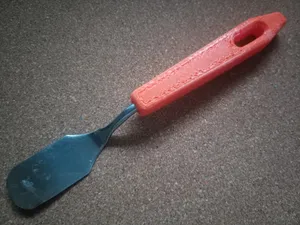
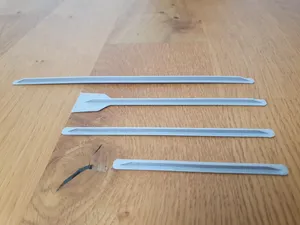
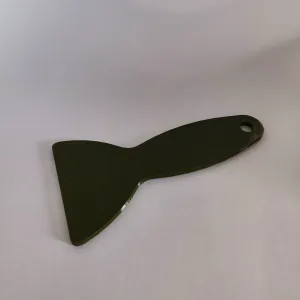
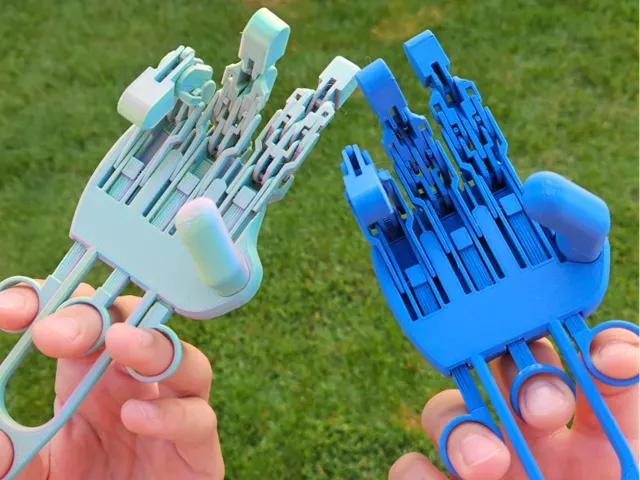
The models fall into a few groups. Handles and grip shells are made to replace or cover a broken or uncomfortable handle, sometimes with a separate blade slot. Painting and palette knives use a thin, flat blade with a bent neck, while glue and thermal paste spreaders are shorter and narrower. A smaller group treats the spatula as an attachment for an articulated hand, so the mounting geometry matters as much as the blade.
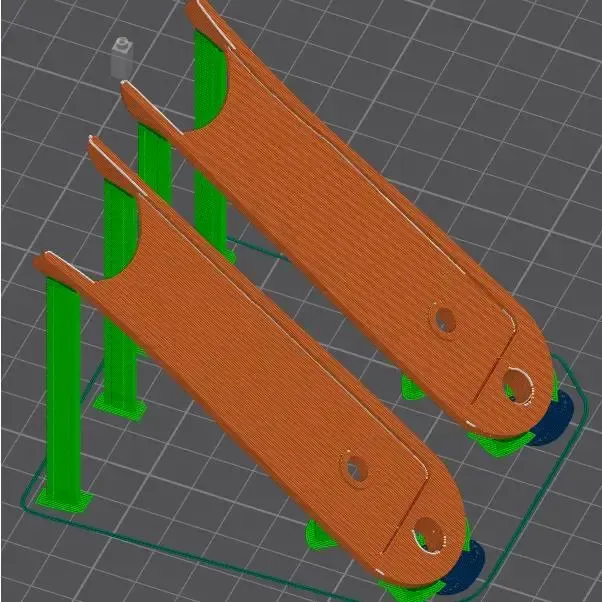
Before printing, open the author's model page and read the listed dimensions, the number of separate parts and how they join. Check whether the file needs supports, which material and layer height the author used, and how the blade is oriented so the layers run along the flat face rather than across it. Photos of real prints show whether the handle thickness and the blade edge come out as intended.
If the results are too narrow, try related wording: scraper, palette knife, spreader, applicator, putty knife, or the tool the handle is meant to fit. Searching by the task instead of the object often helps, for example paste spreading or paint mixing. Combining a tool term with a mounting term such as handle, grip or hand attachment also brings up models that a single word misses.
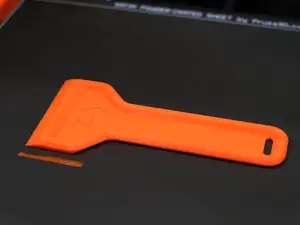
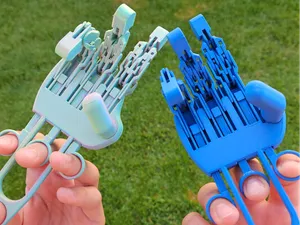


Ev ve günlük yaşamdan CNC'ye kadar tüm konuların kataloğu; bağlı sitelerin hepsinde arama yapabilirsiniz.