
Ücretsiz 
Chandra X-Ray Observatory
Thingiverse
This collection gathers 3D models built around x-ray imagery: bones and body parts reconstructed from scans, playful skeleton toys, and replicas of the equipment and observatories behind the pictures. Most files are meant for 3D printing at home, so the pages below mix display pieces with small functional parts. It helps when you want a model whose shape comes from real imaging data rather than from freehand modelling. Polyzon does not confirm whether models are free, their price, license, official status, affiliation, safety or fitness. Check the current terms at the source.
Bu koleksiyonun metni İngilizce; arama ise her dilde çalışır.
 Bir Polyzon koleksiyonu · 46 model 4 siteden
Polyzon bu koleksiyonu bağlı sitelerdeki arama sonuçlarından oluşturur. Tekrarlar ve önizlemesi olmayan modeller çıkarılır, zayıf eşleşmeler sona alınır, geri kalanlar arama sırasını korur. Modeller yazarlarına aittir; her modelin sayfasındaki koşulları kontrol edin.
Seçim kuralları: Polyzon editör ekibi · Metin güncellendi: 14.10.2026




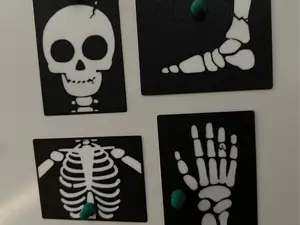


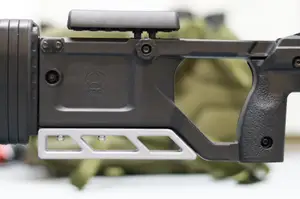
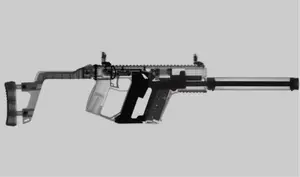


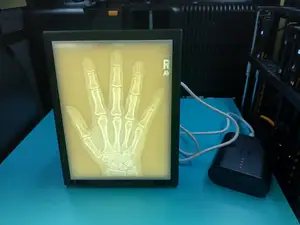


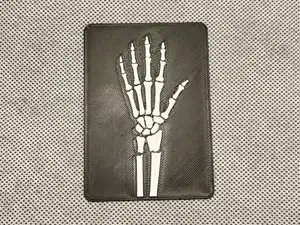


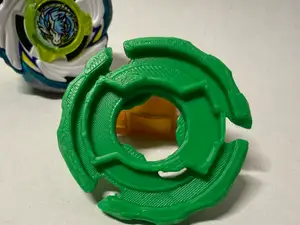


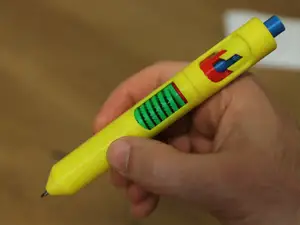
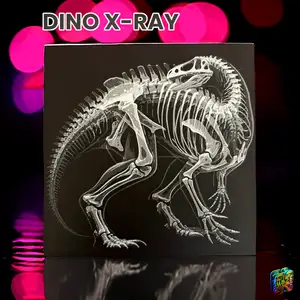


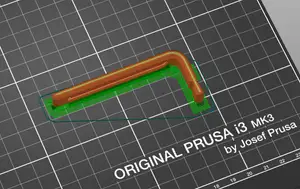
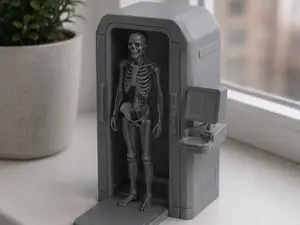


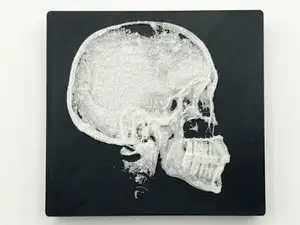


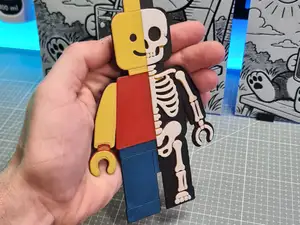


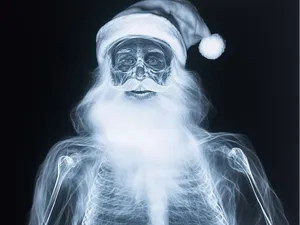
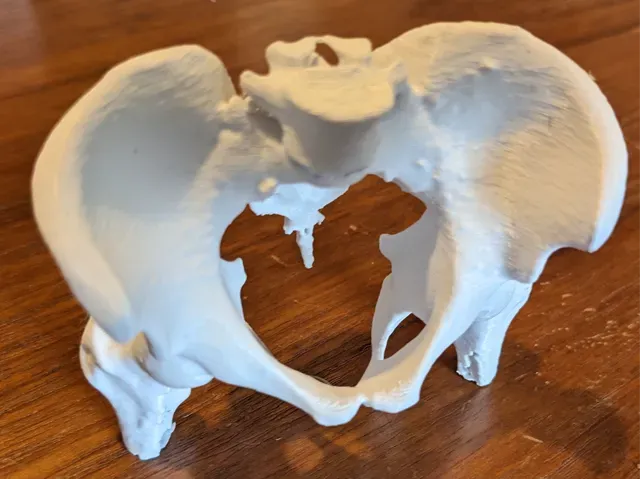
The range splits into a few clear groups. Medical and anatomical pieces reproduce bones, joints or whole body regions taken from CT and similar scans, and they tend to be the most detailed. Novelty items turn the same visual language into toys and cartoon figures with visible skeletons. A third group covers the hardware side: cabinets, markers, holders and observatory or laboratory replicas. Decorative panels and lithophanes use a scan image as a surface relief rather than as a solid shape.
When you open a model page, check how the geometry was made and what it implies. Scan-derived files often arrive as solid volumes that need hollowing, scaling or splitting before they fit a build plate, and thin bone structures can be fragile in the wrong orientation. Look at the part count, whether the author lists supports, the material and layer height they used, and any photos of finished prints. Scale matters too: a pelvis or a hand is far larger than a desk toy, so confirm dimensions before slicing.
Search results widen quickly if you try related wording. Terms such as CT scan, radiograph, skeleton, anatomy, medical imaging or lithophane bring up neighbouring models, and the names of body parts or imaging devices narrow things further. Combining a subject with a format word, for example a scan converted into a lithophane or a toy, usually surfaces pieces that a single keyword misses. Browsing the collections of authors who publish one scan-based model often leads to more of the same kind.


Ev ve günlük yaşamdan CNC'ye kadar tüm konuların kataloğu; bağlı sitelerin hepsinde arama yapabilirsiniz.