
免费 
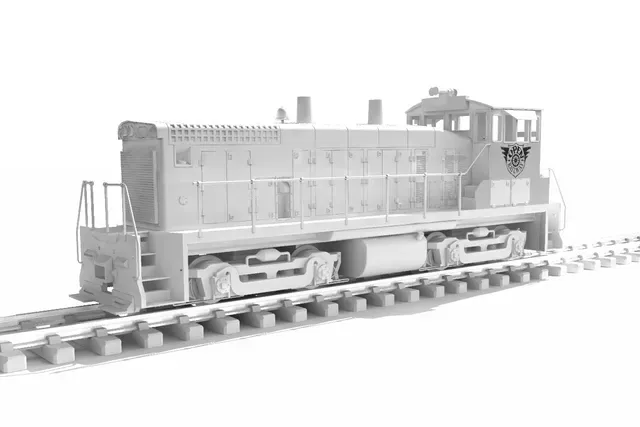
1:29 G Gauge EMD SD7/9 Locomotive
Thingiverse
This collection gathers STL files that sit around a few different themes: railway locomotives and train units, robot and character figures, bird and animal models, and scale vehicles. It is useful when you want to see how the same search term leads to very different 3D printing projects, from a display locomotive to a small desk accessory. Each entry comes from a separate source, so the model page itself is where the details live. Polyzon does not confirm whether models are free, their price, license, official status, affiliation, safety or fitness. Check the current terms at the source.
本合集的文字为英文,搜索本身支持任何语言。
 Polyzon合集 · 48个模型 来自4个平台
此合集由Polyzon根据已接入平台的搜索结果整理而成:去除重复项和没有预览图的模型,匹配度低的排在最后,其余按搜索结果顺序排列。模型归作者所有——请在各模型页面查看使用条款。
筛选规则:Polyzon编辑部 · 文字更新于2026年10月15日


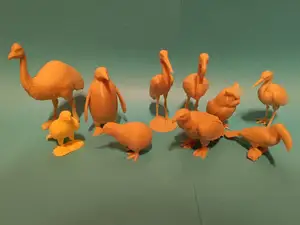


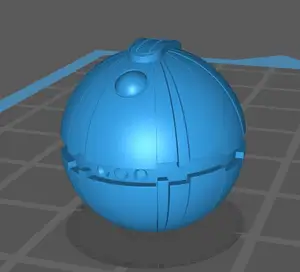
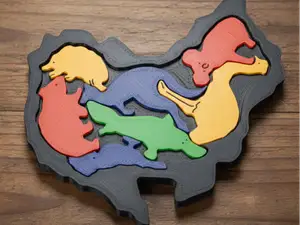


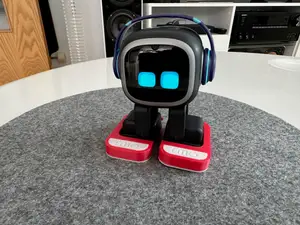
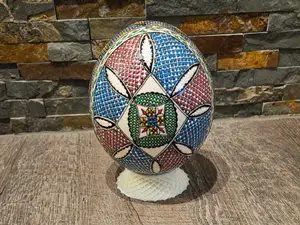


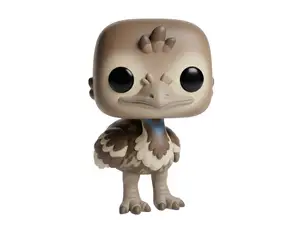


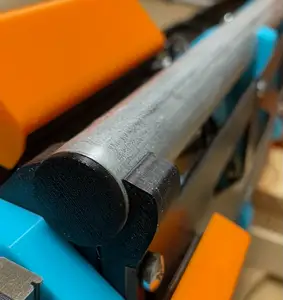



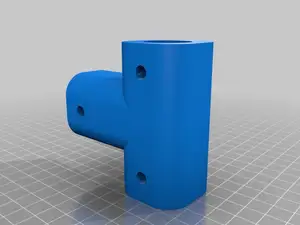
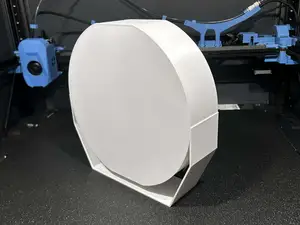


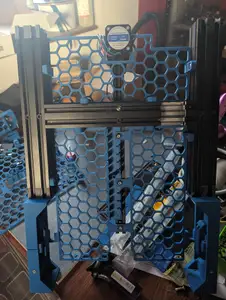


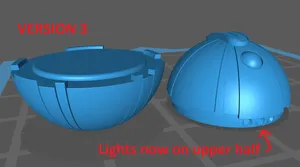


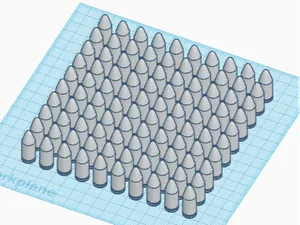

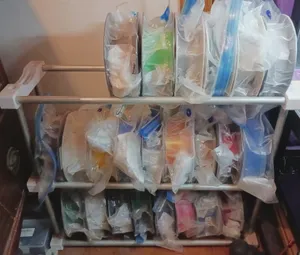
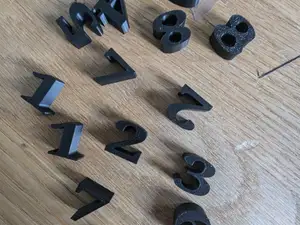


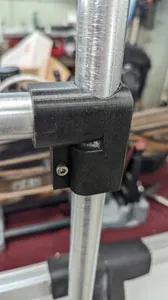
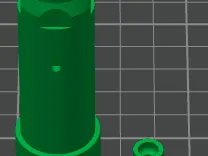
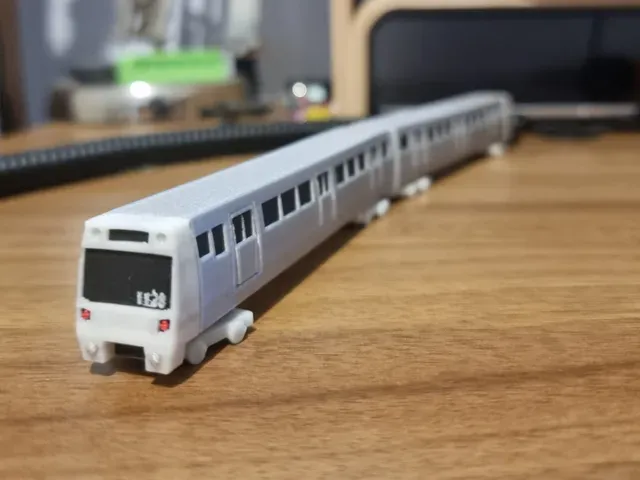
Railway entries range from diesel locomotives in specific gauges to basic train units, and they differ mainly in scale and part count. Some are split into many pieces for assembly, while others are drawn as a single body with separate wheels or bogies. Robot and character figures follow a different logic: they are usually built around a pose, a costume detail or a stylised shoe or helmet, and the surface detail matters more than the mechanism. Bird and animal figures sit closer to decorative models, where the silhouette and the surface finish decide how the print reads at a distance.
Before printing, look at what the author lists on the model page: the intended scale, the number of parts and how they join, whether supports are needed, and the material and settings used for the shown prints. Photos of actual printed parts are more informative than renders, especially for thin legs, small connectors and interlocking pieces. For models with moving or snap-fit parts, check the clearances the author mentions and whether the model was drawn for a specific nozzle size.
If the results feel scattered, refine the search with narrower terms. For trains, try the gauge, the locomotive type or the railway company designation; for figures, try the character series, the pose or the scale. Related searches such as model railway, diesel locomotive, robot figure, bird model, scale kit or desk holder usually return a more consistent set than a short two-letter term. Combining a subject with a scale or a print style narrows the list further.



完整的主题目录:从家居日用到CNC,均可在已接入的来源平台中搜索。