
免费 
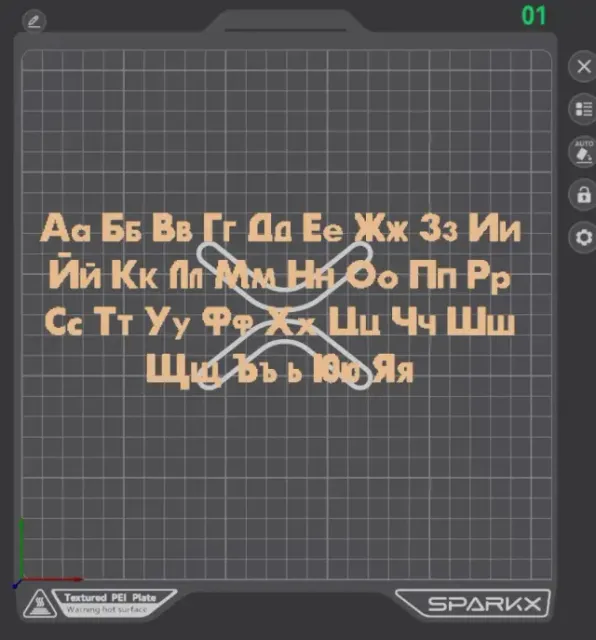
cyrillic alphabet russian template Stencil
MakerWorld
This collection gathers 3D models built around the Cyrillic alphabet: letter sets for learning, stamps for clay and pottery, cookie cutters, stencils and decorative letter objects. It is useful when you need a specific script variant, a particular letter height or a mirrored form for stamping, and want to compare what different authors offer before starting a 3D printing job. Most files are simple enough to print on a desktop 3D printer, though the details differ from one model to the next. Polyzon does not confirm whether models are free, their price, license, official status, affiliation, safety or fitness. Check the current terms at the source.
本合集的文字为英文,搜索本身支持任何语言。
 Polyzon合集 · 48个模型 来自8个平台
此合集由Polyzon根据已接入平台的搜索结果整理而成:去除重复项和没有预览图的模型,匹配度低的排在最后,其余按搜索结果顺序排列。模型归作者所有——请在各模型页面查看使用条款。
筛选规则:Polyzon编辑部 · 文字更新于2026年10月11日


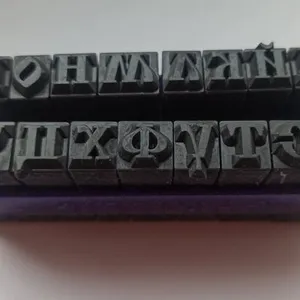


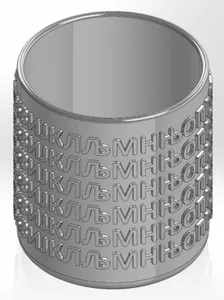
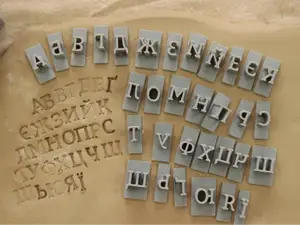
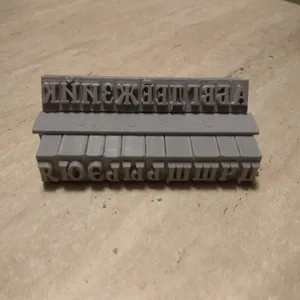

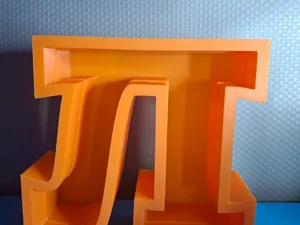
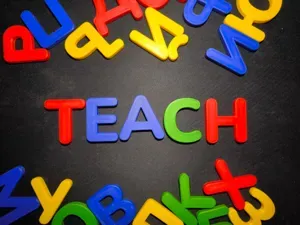

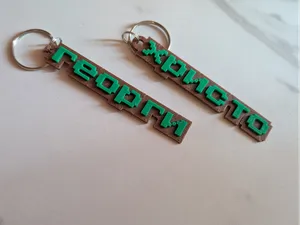


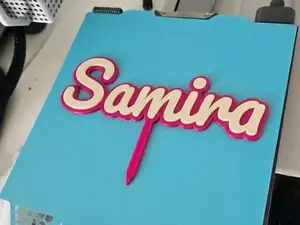
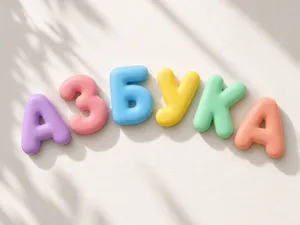

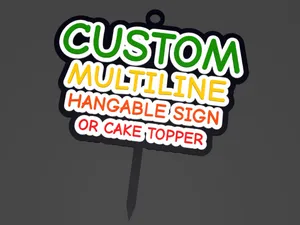
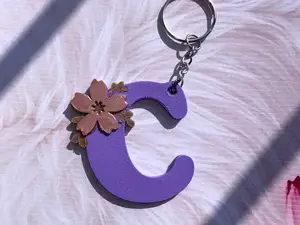
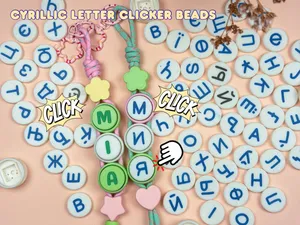
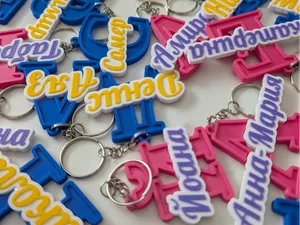

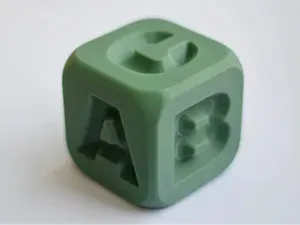
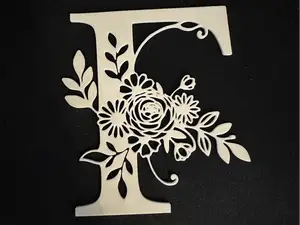
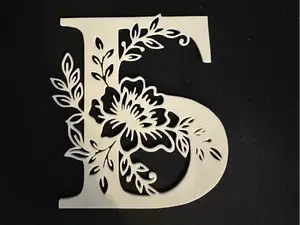


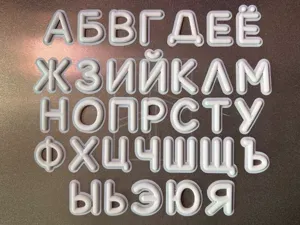
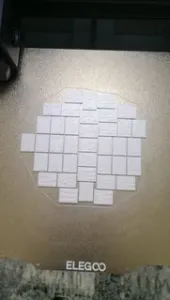
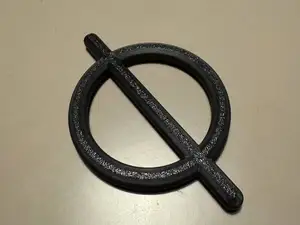
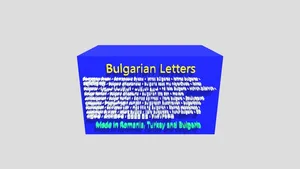


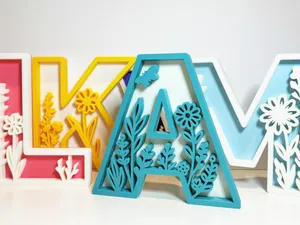
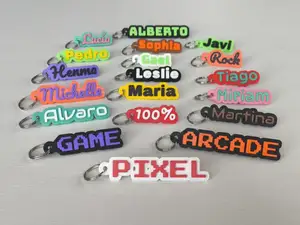
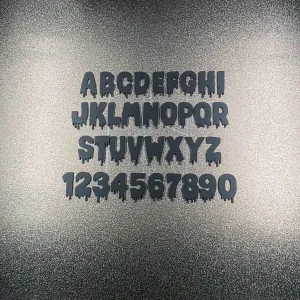
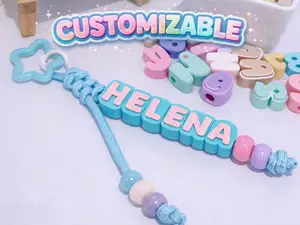

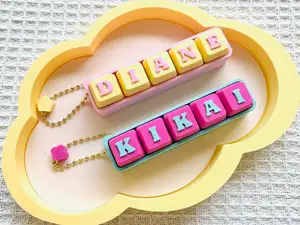
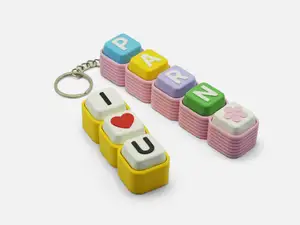
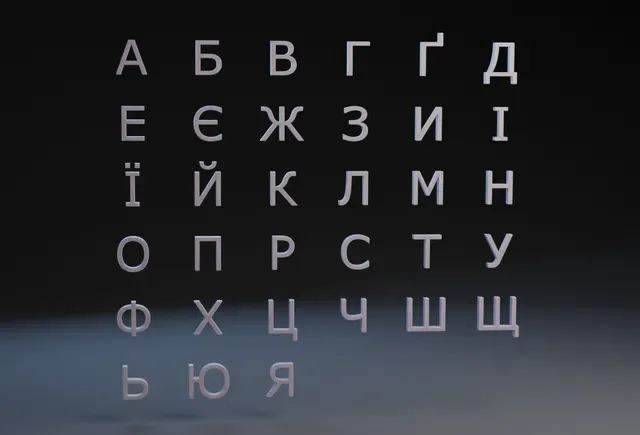
The models fall into a few practical groups. Educational sets present the full alphabet as separate letters or cubes, sometimes paired with Latin characters or with a Braille counterpart. Stamps and embossing tools are made for clay, pottery and ceramics, while cutters and forms are shaped for dough and confectionery work. Stencils, imprint rails and keychain generators cover flatter, decorative uses, and there are also objects such as pen cups or lamp letters where the alphabet is part of the design rather than the whole point.
When choosing a model, look at what the author states on the page: the alphabet variant and letter count, the height and stroke thickness of the glyphs, whether the file is mirrored for stamping, and how many separate parts need to be assembled. Thin strokes and tight counters can be difficult on a small nozzle, so check the recommended scale and layer height, and whether supports are needed for letters with overhangs. For stamps and cutters, the wall thickness and the depth of the relief decide how clean the imprint turns out, and the material choice affects how the surface behaves in use.
Search results improve when you try several wordings. Besides the general term, authors use azbuka, Cyrillic letters, alphabet stamps, embossing set, imprint, cutter, template and stencil, and many titles name a specific language variant such as Russian, Bulgarian, Serbian, Macedonian or Ukrainian. Related topics worth exploring include Braille alphabets, runic or stylised lettering, magnetic letters, and text generators for custom names or toppers. Combining a script name with a use case, for example stamps for clay or letters for a lamp, narrows the list faster than the alphabet term alone.
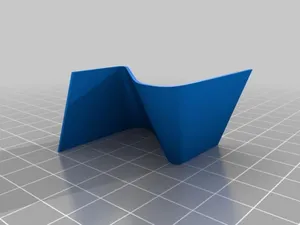
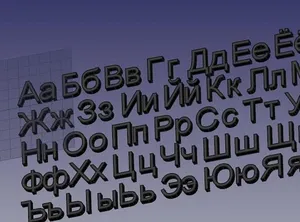


完整的主题目录:从家居日用到CNC,均可在已接入的来源平台中搜索。