免费 
Mini tool box for nuts and bolts
Thingiverse
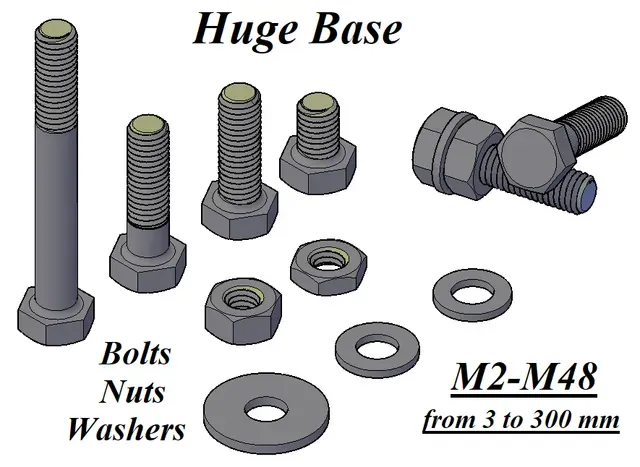
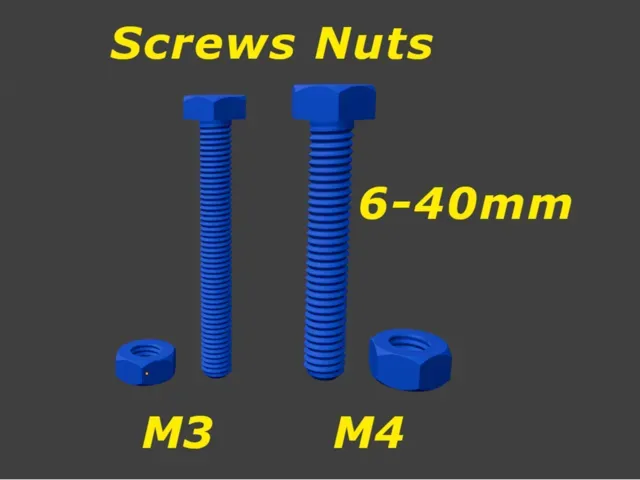
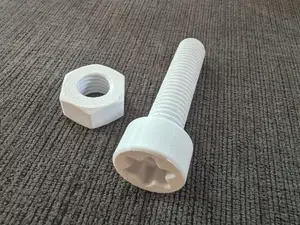
This collection gathers 3D models of bolts, nuts and washers, together with the boxes, drawers and jigs that keep them organised. It covers metric and imperial sets, parametric generators and a few decorative builds. The files are made for 3D printing, so scale and thread detail matter more than the thumbnail. Polyzon does not confirm whether models are free, their price, license, official status, affiliation, safety or fitness. Check the current terms at the source.
本合集的文字为英文,搜索本身支持任何语言。
 Polyzon合集 · 47个模型 来自4个平台
此合集由Polyzon根据已接入平台的搜索结果整理而成:去除重复项和没有预览图的模型,匹配度低的排在最后,其余按搜索结果顺序排列。模型归作者所有——请在各模型页面查看使用条款。
筛选规则:Polyzon编辑部 · 文字更新于2026年10月11日


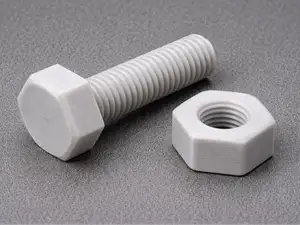

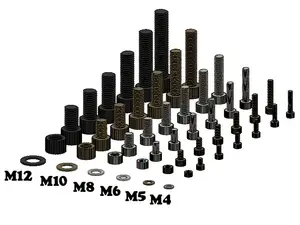
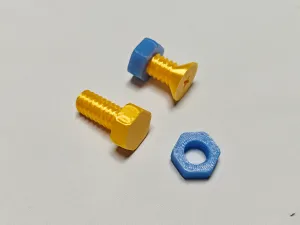


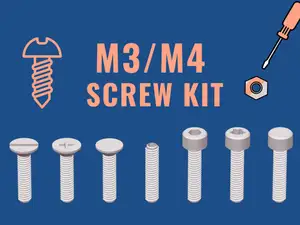
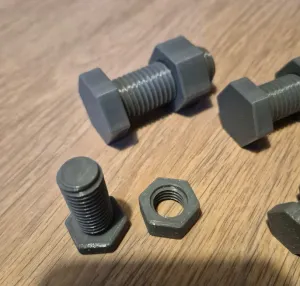

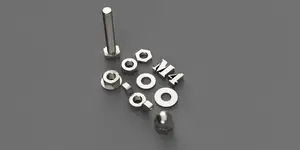
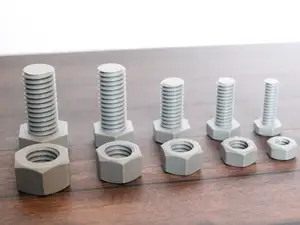
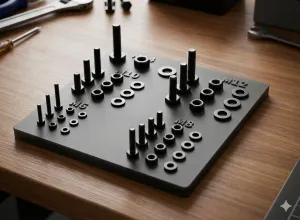


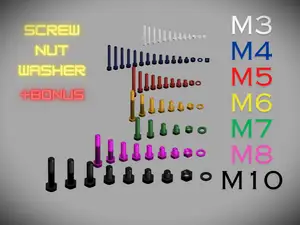
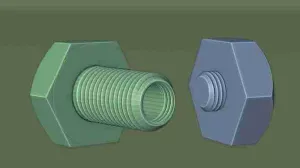


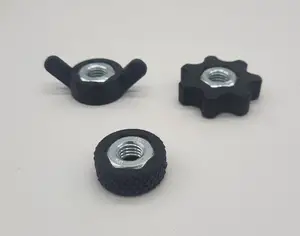
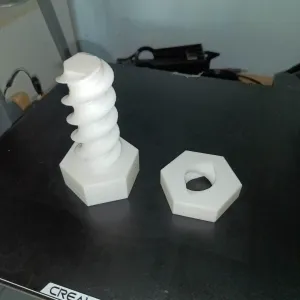


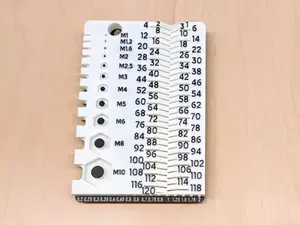
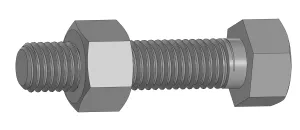

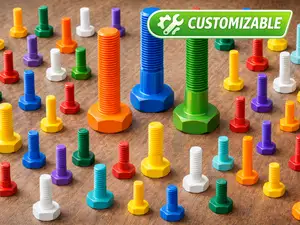
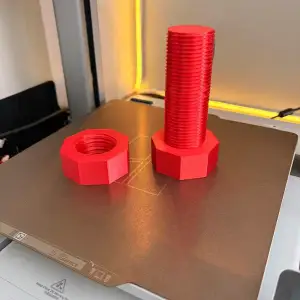


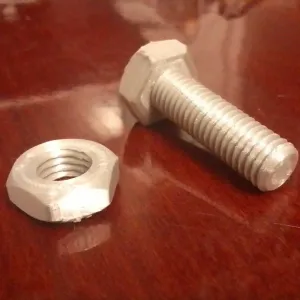

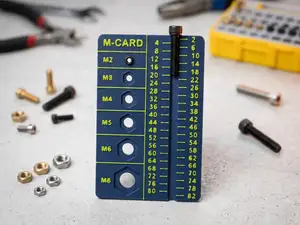
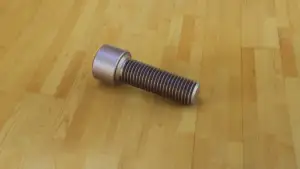

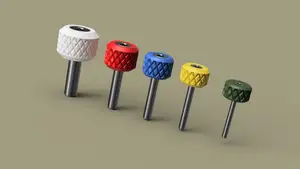
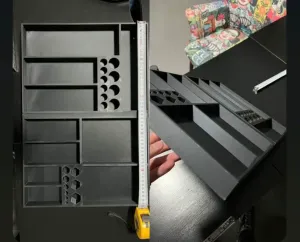
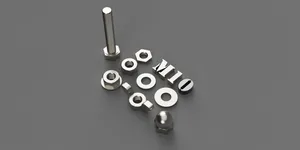


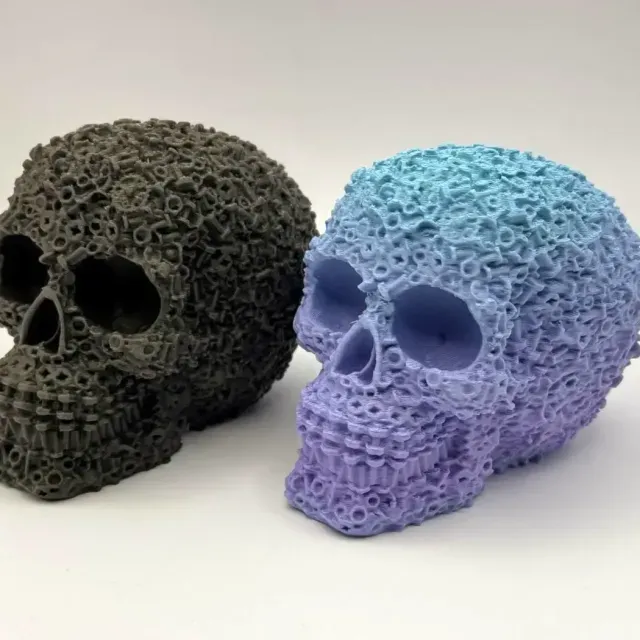
Sets built around one thread standard are the most common: metric and imperial bolts, nuts and washers that follow a fixed size range. Parametric files sit next to them, letting you enter a diameter and pitch instead of choosing from a list. A third group is storage — modular drawers, trays and tool boxes sized around the hardware. Decorative pieces use bolt and nut shapes as ornament rather than as fasteners.
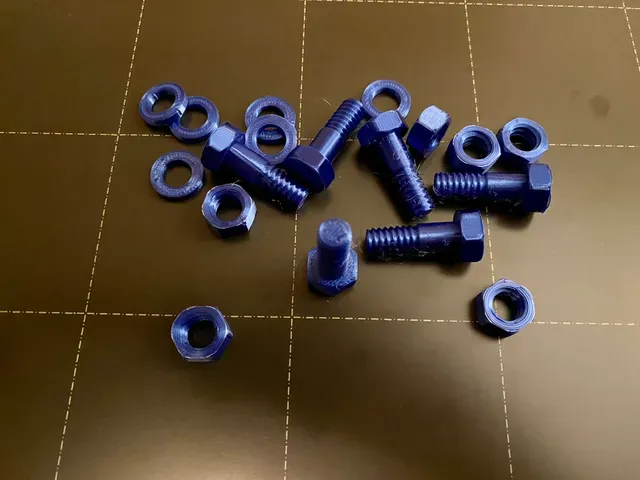
On the author's page, check the stated diameter and pitch, the number of parts, and whether the model is one piece or an assembly. Look at how the thread is drawn: a coarse printable profile behaves differently from a sharp, true-to-standard one. Read the material and settings the author lists, and study photos of real prints to see how the threads came out. For small threads, nozzle size and print speed often matter as much as the model itself.
If a search returns too much, narrow it by thread standard or by the part you need — bolt, nut, washer, threaded rod or insert. Synonyms help: screw, fastener, hex head, socket cap, wing nut. Related topics include jigs and thread gauges, sorting trays for hardware, printer frame hardware, and repair parts for furniture or machines. Searching by the size range you actually use is faster than browsing a general hardware collection.
完整的主题目录:从家居日用到CNC,均可在已接入的来源平台中搜索。