
免费 
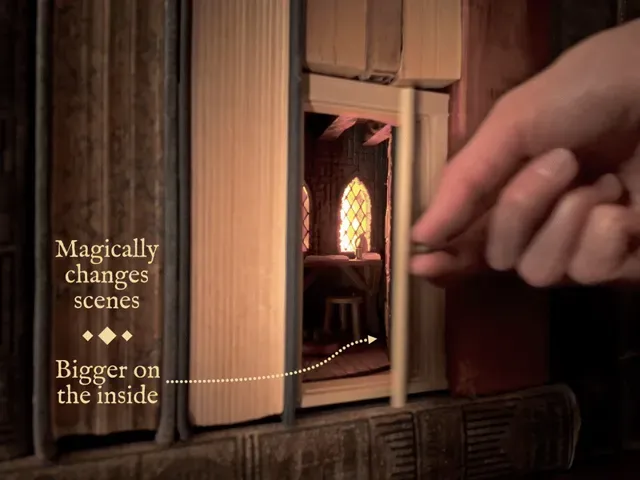
Fantasy Alleyway Book Nook
Thingiverse
This collection gathers book nook portal 3D models: shelf dioramas built around a gateway, alleyway scenes, spooky interiors and matching book stands. Most are multi-part STL sets meant for a filament 3D printer, and a few are scaled for resin. The mix makes it easier to compare how different authors handle depth, lighting and the fit between parts. Polyzon does not confirm whether models are free, their price, license, official status, affiliation, safety or fitness. Check the current terms at the source.
本合集的文字为英文,搜索本身支持任何语言。
 Polyzon合集 · 46个模型 来自4个平台
此合集由Polyzon根据已接入平台的搜索结果整理而成:去除重复项和没有预览图的模型,匹配度低的排在最后,其余按搜索结果顺序排列。模型归作者所有——请在各模型页面查看使用条款。
筛选规则:Polyzon编辑部 · 文字更新于2026年10月15日


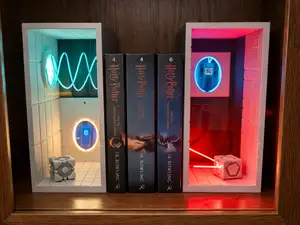
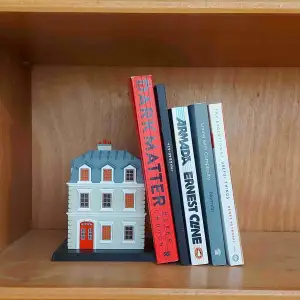


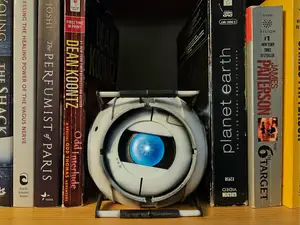
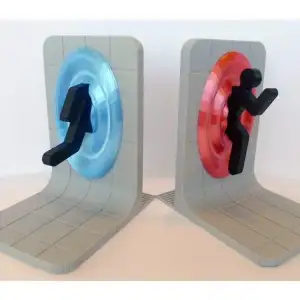


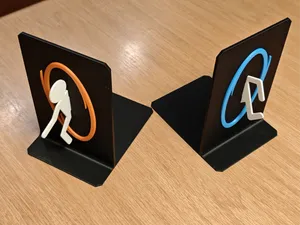
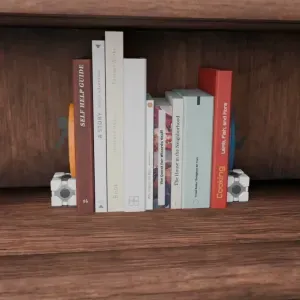

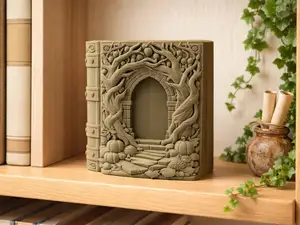
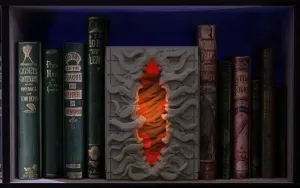




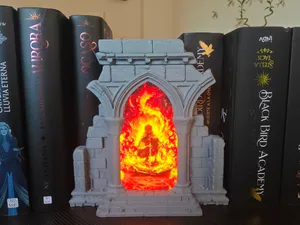
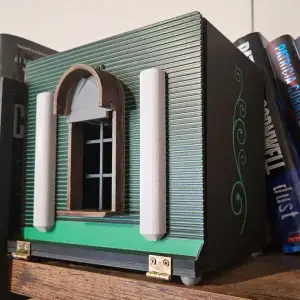

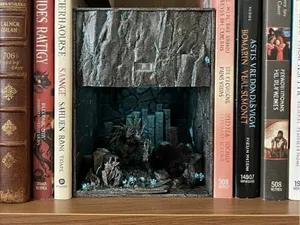
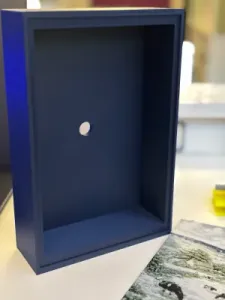



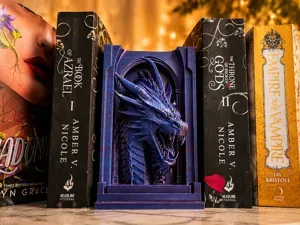
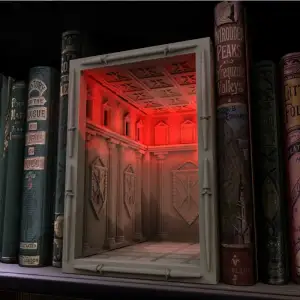

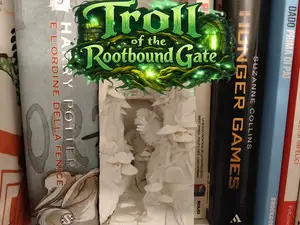
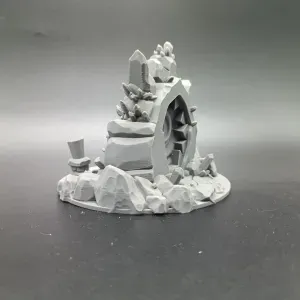

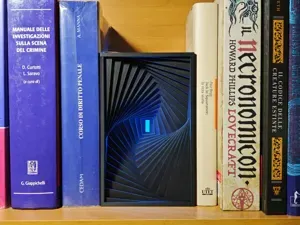
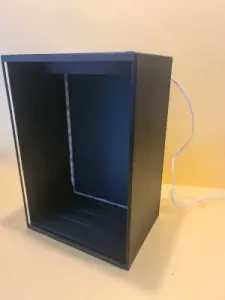

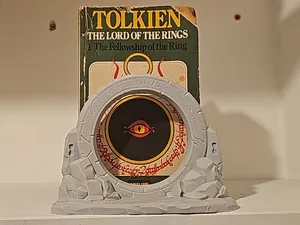
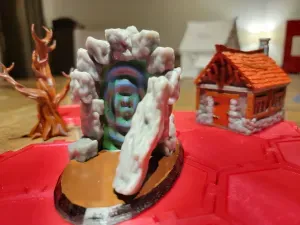

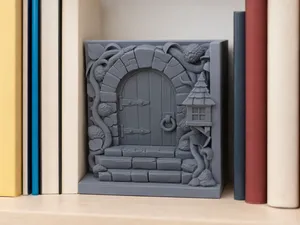
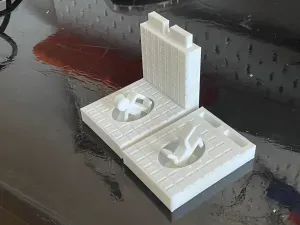
The portal idea shows up in several forms. Some models place an arch or doorway in the back wall of a narrow box, with the opening either left as a cutout or filled by a translucent insert. Others build a street or alley that leads the eye inward, or a haunted, alien or otherwise strange interior where the light source sits inside the scene. Stands and holders are simpler: a frame or cradle that keeps a book upright while carrying the same motif. The main differences are how deep the scene is, whether it is one printed box or stacked modules, and how much of the view depends on a backdrop rather than on printed geometry.
Before starting a print, read the author's model page. Check the overall dimensions against the shelf gap and the books you plan to place beside the nook, then look at the part count and how the pieces join, since some sets use pins, slots or separate frames. Note whether supports are needed for overhangs, what material and settings the author lists, and how lighting is handled if the design includes a recess or channel for it. Photos of real prints are the most useful reference for surface detail and for judging how visible the interior is once assembled.
Search terms are worth varying, because the same idea is labelled in different ways: book nook, bookshelf insert, diorama, shadow box, portal, gateway, alleyway, street scene, bookend and book stand all appear. Adding a theme narrows the results, for example fantasy, occult, sci-fi or urban, and combining a theme with a format such as modular or multi-part brings up builds that are split for smaller build volumes. If a search returns few results, drop the theme word first and keep the format word, then filter by the scale and depth you measured.
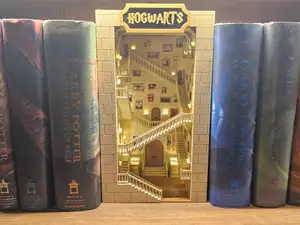

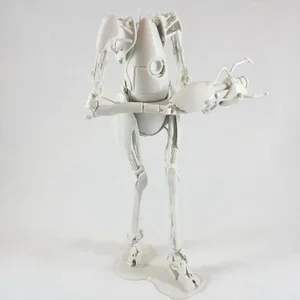

完整的主题目录:从家居日用到CNC,均可在已接入的来源平台中搜索。