
免费 
5 Level Building
Thingiverse
This collection gathers 3D models built around the idea of levels: stacked floors, tiered terrain and modular pieces that connect into larger structures. Most of it is made for 3D printing at tabletop or architectural scales, from small gauge houses to multi-floor wargame blocks. The mix is useful when you need a building that reads as several storeys rather than a single solid shape. Polyzon does not confirm whether models are free, their price, license, official status, affiliation, safety or fitness. Check the current terms at the source.
本合集的文字为英文,搜索本身支持任何语言。
 Polyzon合集 · 48个模型 来自4个平台
此合集由Polyzon根据已接入平台的搜索结果整理而成:去除重复项和没有预览图的模型,匹配度低的排在最后,其余按搜索结果顺序排列。模型归作者所有——请在各模型页面查看使用条款。
筛选规则:Polyzon编辑部 · 文字更新于2026年10月13日


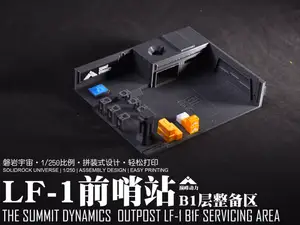


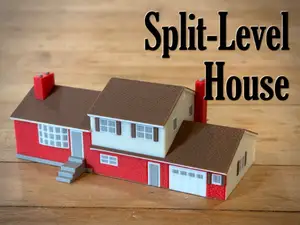


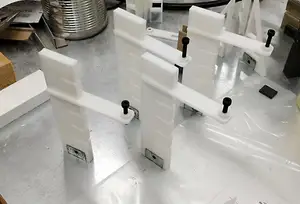
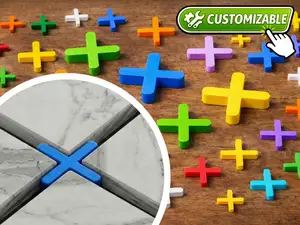


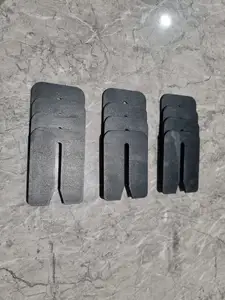


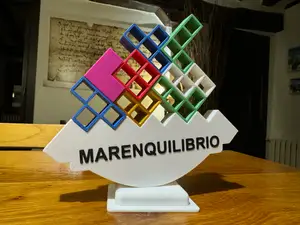






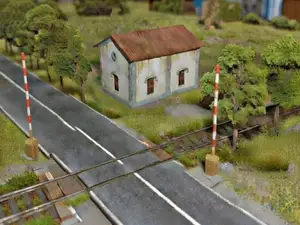


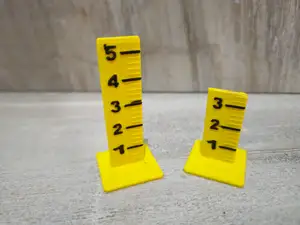


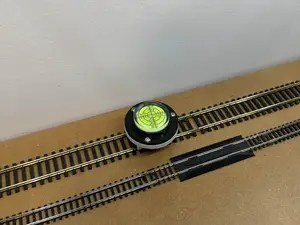

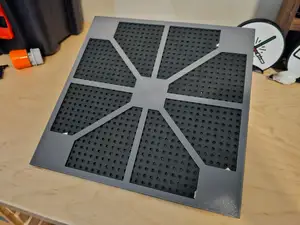

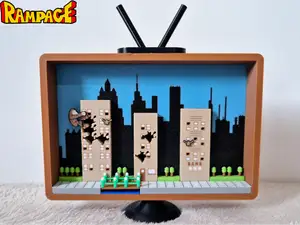


The models fall into a few recognisable groups. Wargame and skirmish buildings often come as separate floors, so a workshop, office block or control tower can be assembled level by level. Modular terrain systems use magnets, pegs or clamps to hold walls and platforms together, which lets you rearrange a layout between games. Smaller-scale structures are drawn for a fixed gauge or hex grid, and there are also decorative pieces where levels are part of the shape itself, such as tiered planters or stepped dioramas.
Before printing, look at what the author states on the model page: the intended scale and footprint, the height of each floor, and whether the design sits on a hex, square or open base. Check how many parts are in the file set and how they join, since some kits split walls, floors and roofs into pieces that print flat. Overhangs, the material the author used and the settings listed in the description are worth comparing with the photos of finished prints, which show how the levels line up in practice.
Search results widen quickly if you try different wording. Terms such as multi-storey, two-storey, tower, ruin, scatter terrain, stackable or modular usually surface neighbouring designs, and scale tags like 28mm, 6mm, N gauge or 1/32 narrow the list. Related topics include hex-grid buildings, board game tiles, magnetic terrain boards and parametric spacer or clamp parts that hold a structure together.
The reference shows how much the wording varies between authors, so a model with several floors may be described as a level, a storey or simply a building. Reading the part list and the assembly notes is usually faster than judging from the title alone.


完整的主题目录:从家居日用到CNC,均可在已接入的来源平台中搜索。