免费 
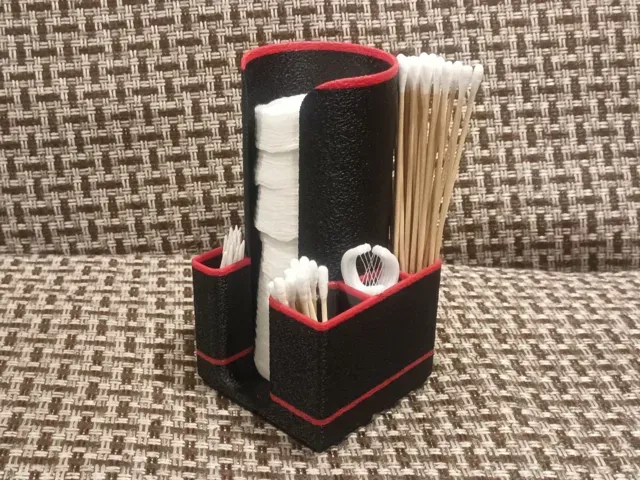
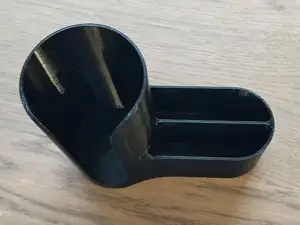
Держатель-органайзер для ватных палочек и дисков
MakerWorld
This collection gathers case-type 3D models: rigid shells, fitted inserts, compartment organizers and holders that keep an item in place. Most of them are made for a 3D printer in two or more parts, so the lid, body and latch can be printed separately. It is useful when you need a protective housing whose cavity matches a specific object rather than a generic box. Polyzon does not confirm whether models are free, their price, license, official status, affiliation, safety or fitness. Check the current terms at the source.
本合集的文字为英文,搜索本身支持任何语言。
 Polyzon合集 · 45个模型 来自3个平台
此合集由Polyzon根据已接入平台的搜索结果整理而成:去除重复项和没有预览图的模型,匹配度低的排在最后,其余按搜索结果顺序排列。模型归作者所有——请在各模型页面查看使用条款。
筛选规则:Polyzon编辑部 · 文字更新于2026年10月14日
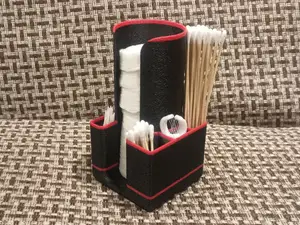
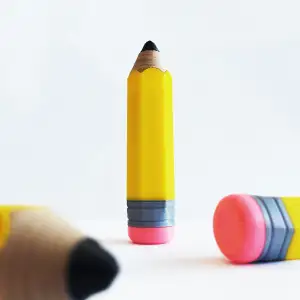
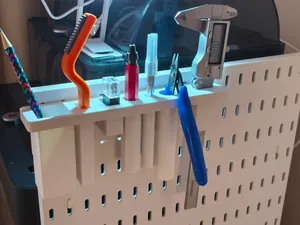
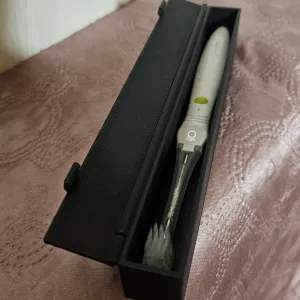

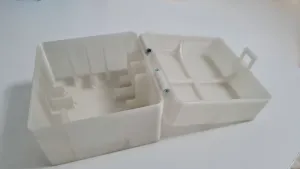

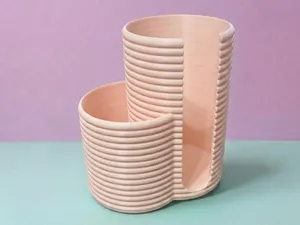


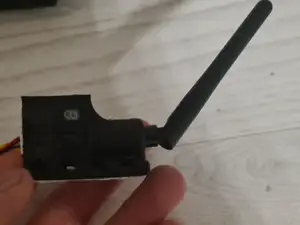
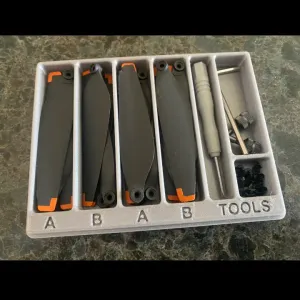


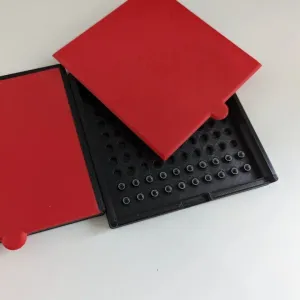

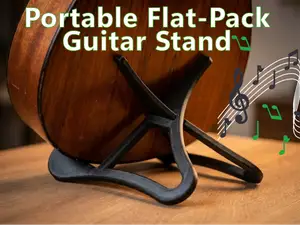
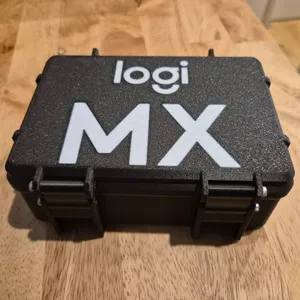

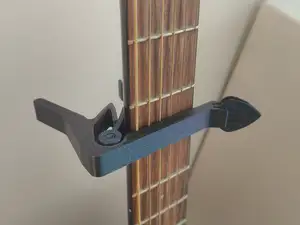

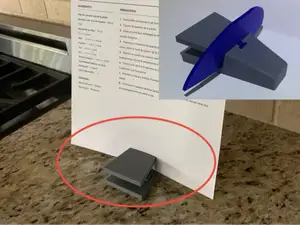
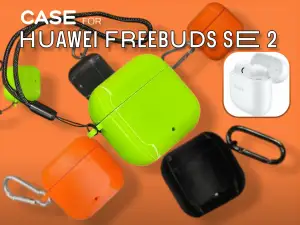

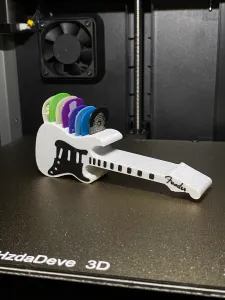

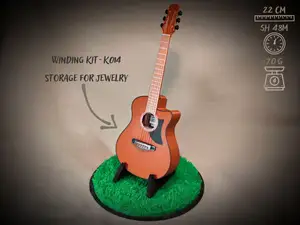
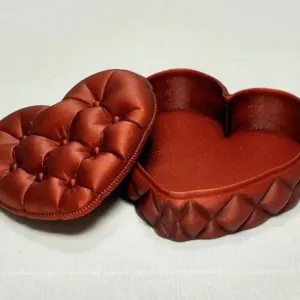

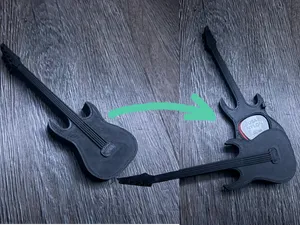
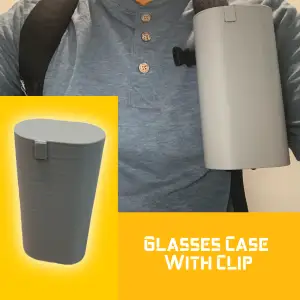

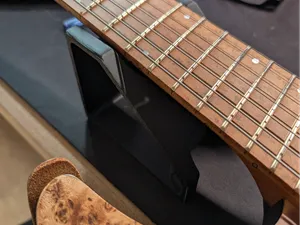
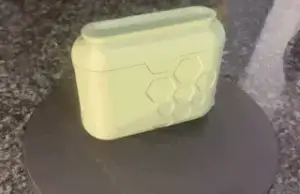

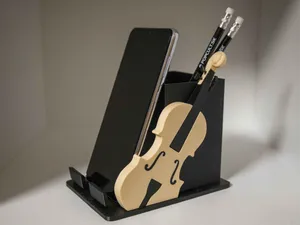
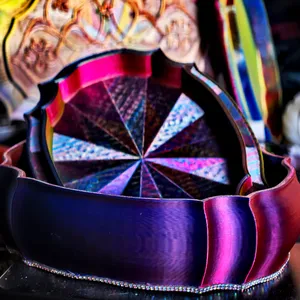


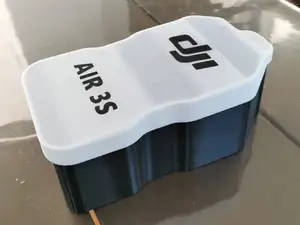
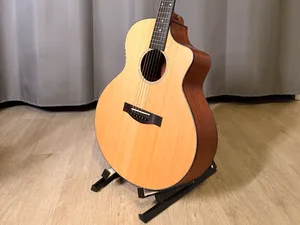
The models fall into a few groups. Enclosing shells wrap a device or accessory and often include a separate lid, while fitted inserts and trays hold small items in fixed positions inside a larger container. Organizers add dividers and compartments, and holders or mounts fix an object to a surface or to another piece of equipment. The difference between them shows up in wall thickness, how the lid closes, and whether the interior is one open cavity or a set of shaped slots.
Before printing, compare the internal cavity with the object you want to store: length, width, height and any protruding parts such as a cable, strap or knob. Look at how many parts the author lists, whether the halves are printed flat or standing, and whether overhangs on hinges or latches need supports. Check the material and settings the author mentions, and look at photos of real prints to judge clearance between the lid and the body, since a tight fit on one printer can be loose on another.
Search results widen quickly if you try synonyms: case, shell, housing, box, tray, insert, holder, organizer, caddy. Adding the object name plus a dimension or a variant, such as a slim or hinged version, narrows the list further. Related topics worth opening are foam or felt inserts, printed hinges and latches, compartment dividers, and stands or wall mounts for the same item.
If the collection is aimed at an instrument, the same logic applies: measure the body and the bow separately, decide whether they share one cavity or two, and check the depth left for padding. A printed shell usually needs an inner layer of foam or fabric to cushion the contents, so leave room for it in your measurements.
完整的主题目录:从家居日用到CNC,均可在已接入的来源平台中搜索。