
免费 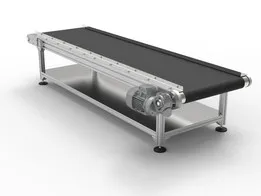
Conveyor
GrabCAD
This collection gathers 3D models of conveyors: belt, chain, roller and modular belt designs, along with inclined, curved and vertical layouts. It is useful when you need a moving part for a factory diorama, a desktop machine mock-up or a study of how a drive transfers motion. Most files are STL meshes meant for a 3D printer, and many are split into several parts. Polyzon does not confirm whether models are free, their price, license, official status, affiliation, safety or fitness. Check the current terms at the source.
本合集的文字为英文,搜索本身支持任何语言。
 Polyzon合集 · 47个模型 来自3个平台
此合集由Polyzon根据已接入平台的搜索结果整理而成:去除重复项和没有预览图的模型,匹配度低的排在最后,其余按搜索结果顺序排列。模型归作者所有——请在各模型页面查看使用条款。
筛选规则:Polyzon编辑部 · 文字更新于2026年10月11日
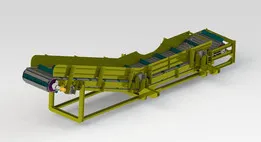

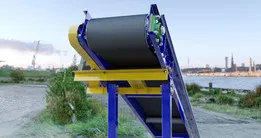
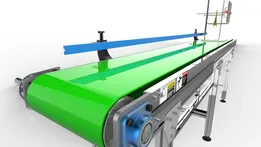
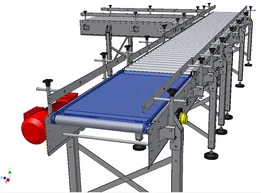
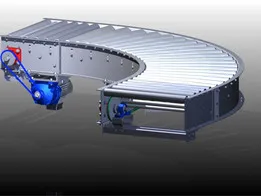

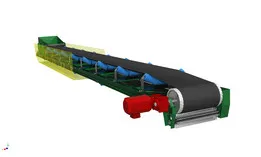
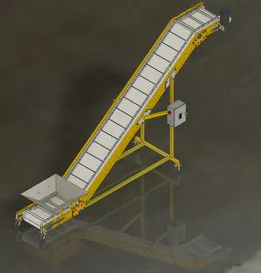

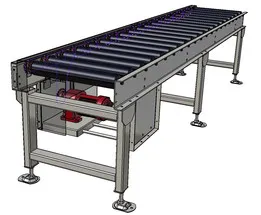

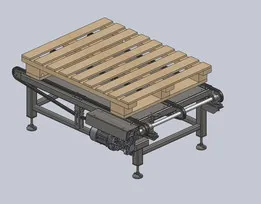
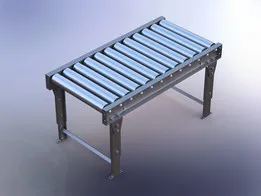
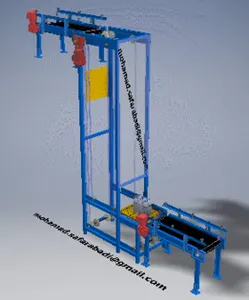
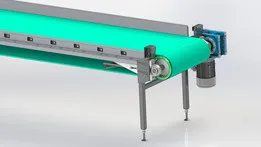

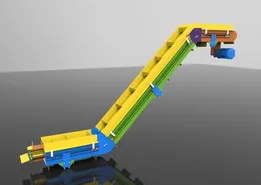
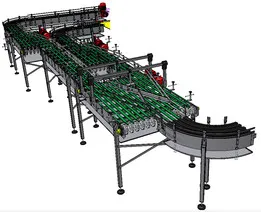
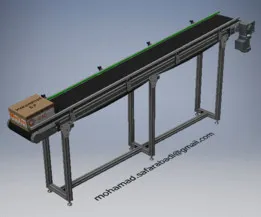
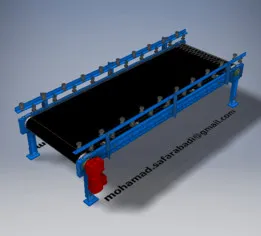

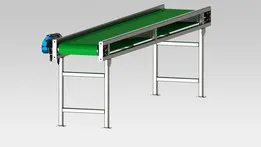
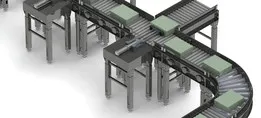
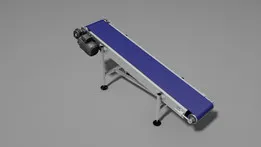

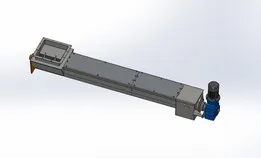
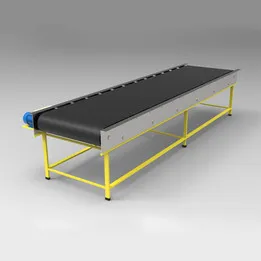
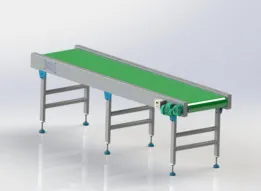
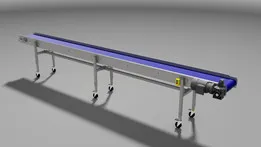

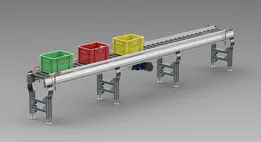
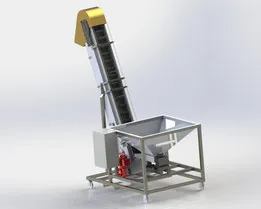
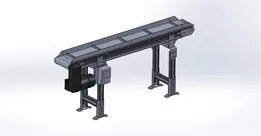
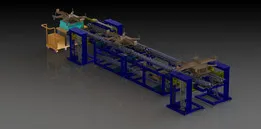

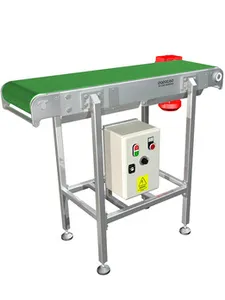
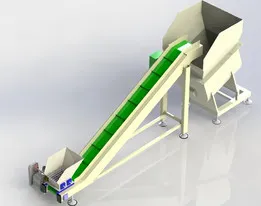
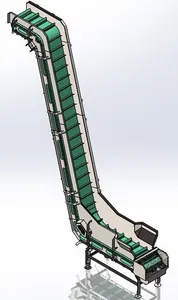

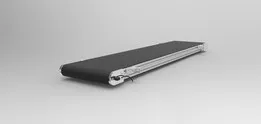

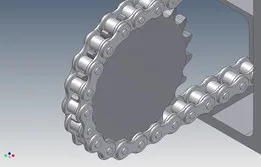
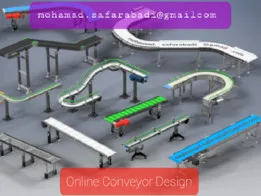
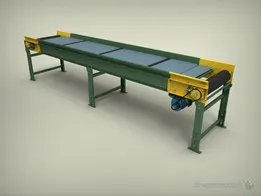
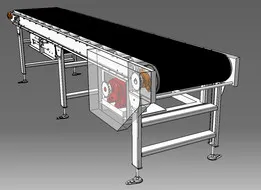
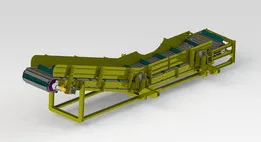
The designs differ mainly in how the load moves. Belt conveyors carry items on a flat band running over pulleys, chain conveyors use linked chain or chain-driven rollers, and roller conveyors rely on a row of cylinders that the load rolls across. Modular and mesh belt versions use interlocking segments instead of one continuous band, which changes how the frame and the return path are built. Layout variants such as incline, curve, trough and Z-style add bends or height changes to the same basic mechanism.
Before printing, look at the size and scale first, since a conveyor that fits a diorama is usually much smaller than a bench-top unit. Check the number of parts and how they assemble, whether the author lists supports, and which material and settings are given for the frame, rollers and belt. If the model is meant to move, read the notes on axle diameters, clearances and the drive: some files include mounts for a stepper or geared motor, others are hand-cranked or static. Photos of real prints on the model page show how the parts fit together better than a render does.
You can narrow the search by naming the mechanism rather than the object: belt conveyor, chain conveyor, roller conveyor, modular belt, mesh belt, auger or screw conveyor, trough conveyor. Adding a layout word such as incline, curve, vertical or Z-type brings up frames with different geometry, and a size word such as miniature or tabletop shifts the results toward smaller builds. Related searches that often lead to usable parts include sorting table, rejection table, feeder, assembly line and factory diorama machinery.



完整的主题目录:从家居日用到CNC,均可在已接入的来源平台中搜索。