
免费 
ENGIN CHANTIER
Thingiverse
Engine-themed 3D printing covers more than one kind of object: functional piston mechanisms, scale jet and turbofan models, engine blocks, and workshop accessories. The collection brings files from several platforms together, so you can compare how different authors approach the same mechanical idea. Most entries are STL files you slice yourself, and the author's page explains the rest. Polyzon does not confirm whether models are free, their price, license, official status, affiliation, safety or fitness. Check the current terms at the source.
本合集的文字为英文,搜索本身支持任何语言。
 Polyzon合集 · 46个模型 来自5个平台
此合集由Polyzon根据已接入平台的搜索结果整理而成:去除重复项和没有预览图的模型,匹配度低的排在最后,其余按搜索结果顺序排列。模型归作者所有——请在各模型页面查看使用条款。
筛选规则:Polyzon编辑部 · 文字更新于2026年10月13日



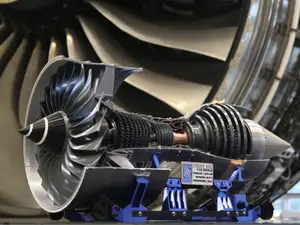
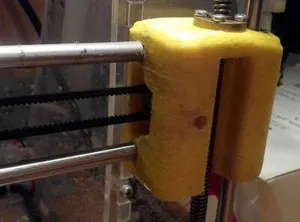
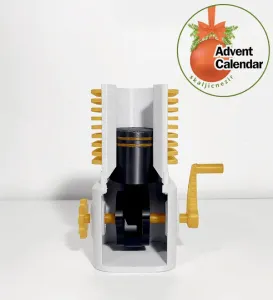


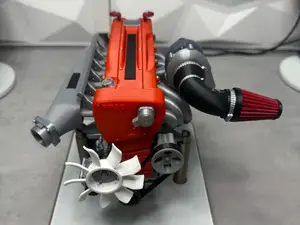
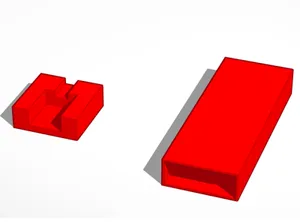
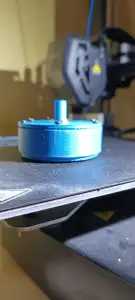

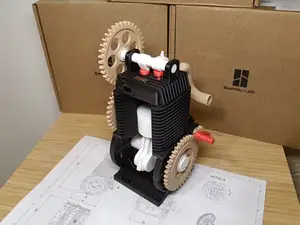
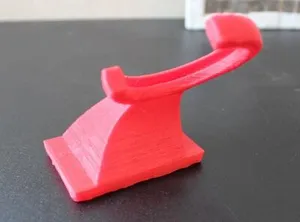
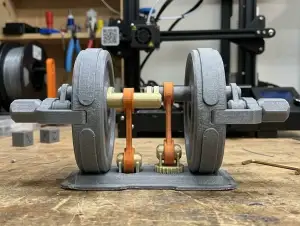


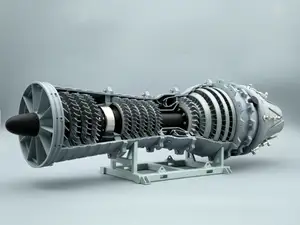
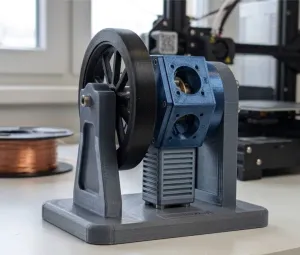


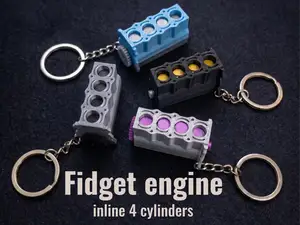
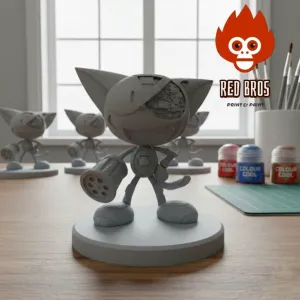


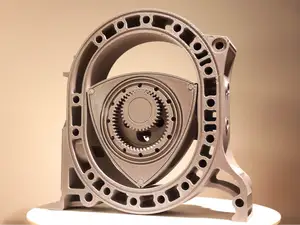


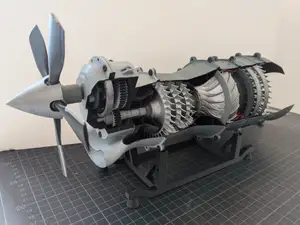
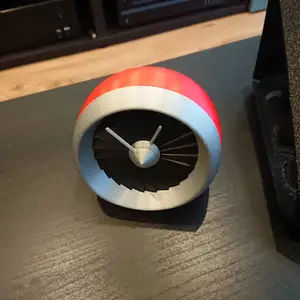


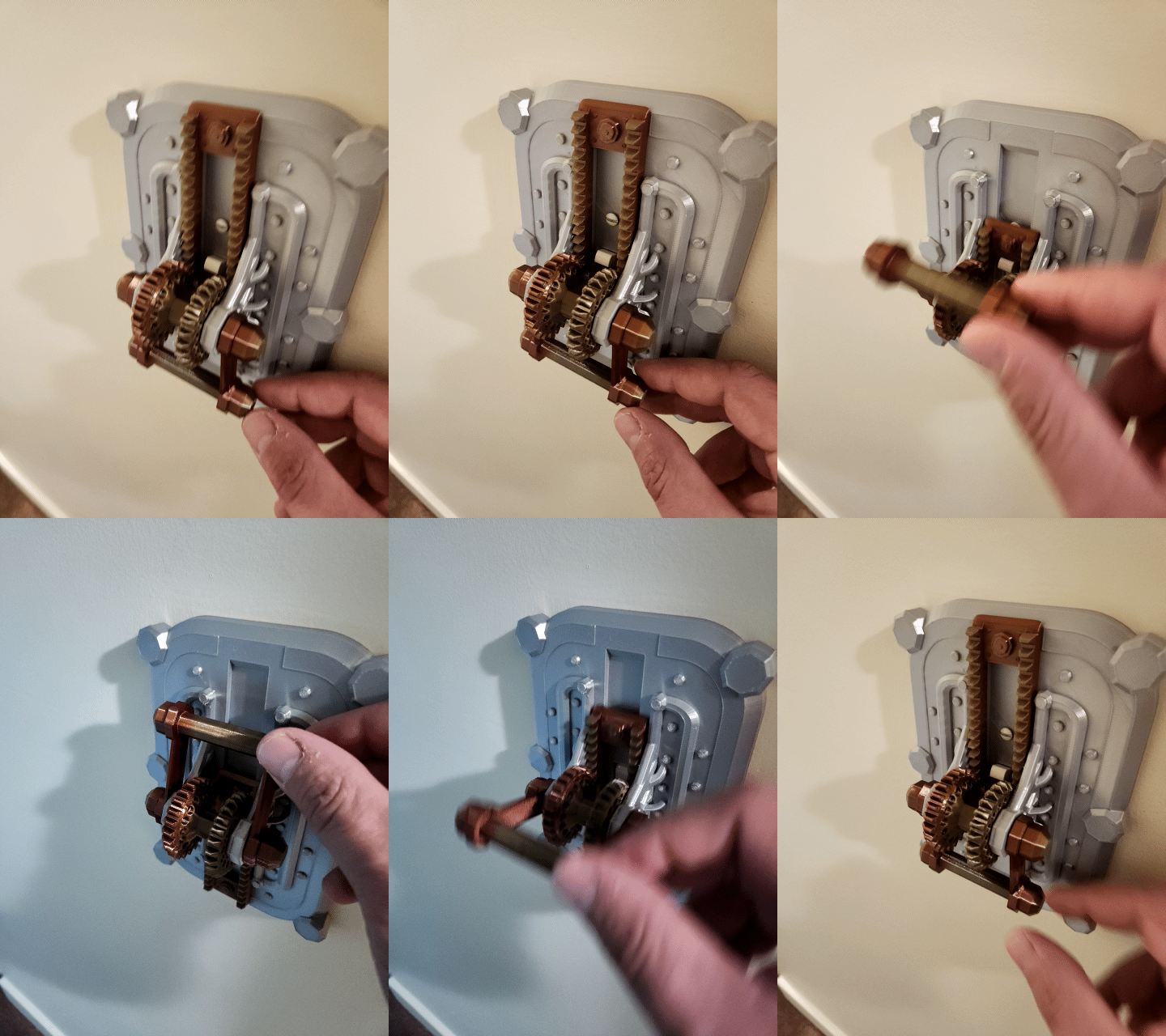
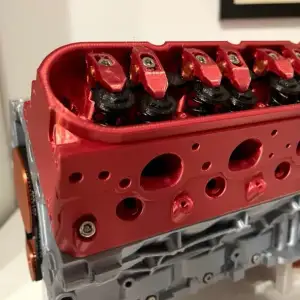


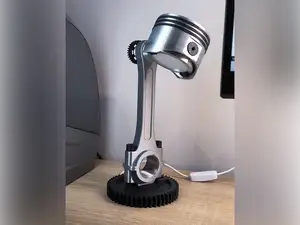
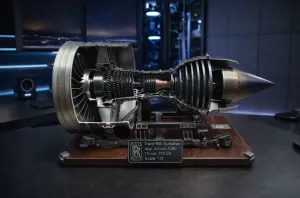


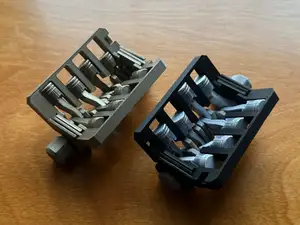
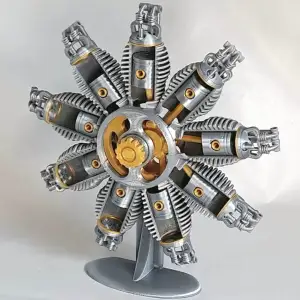
Display models and working mechanisms sit at opposite ends of the range. A static engine block or turbofan replica is built for shape and surface detail, while a four-stroke or air engine is assembled from moving parts and needs clearance to turn. Between them are cutaway models, teaching toys and decorative pieces that borrow engine shapes without any movement.
Before printing, read the author's notes on part count, assembly order and whether supports are needed. Check the listed material and settings, since moving parts often call for a different filament or a tighter layer height than a display shell. Photos of real prints show how surfaces and fits look after slicing, which a render does not.
Search terms matter here because the topic is broad. Try piston, crankshaft, turbine, turbofan, gearbox or motor alongside engine, and add words like model, kit, mechanism or cutaway to narrow the list. Related topics such as workshop tools, printer parts and engineering-themed figures often appear under the same keyword.


完整的主题目录:从家居日用到CNC,均可在已接入的来源平台中搜索。