
免费 
Flying Night Dragon
Printables
This collection gathers flying night dragon designs made for 3D printing, from articulated figures with moving wings to small keychain versions and glowing lamp shapes. Most entries are single-piece or few-part STL files, so a desktop 3D printer with a modest build volume can handle many of them. Polyzon does not confirm whether models are free, their price, license, official status, affiliation, safety or fitness. Check the current terms at the source.
本合集的文字为英文,搜索本身支持任何语言。
 Polyzon合集 · 48个模型 来自6个平台
此合集由Polyzon根据已接入平台的搜索结果整理而成:去除重复项和没有预览图的模型,匹配度低的排在最后,其余按搜索结果顺序排列。模型归作者所有——请在各模型页面查看使用条款。
筛选规则:Polyzon编辑部 · 文字更新于2026年10月14日
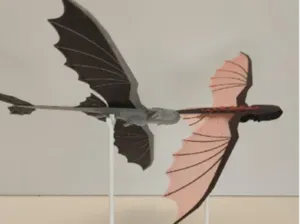

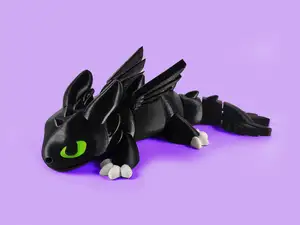
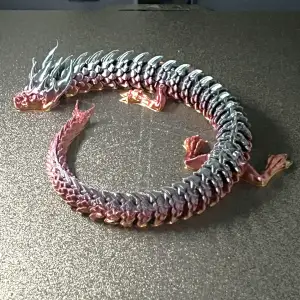



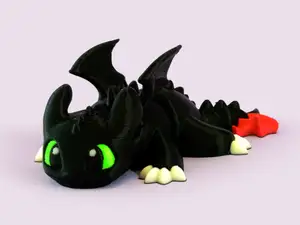
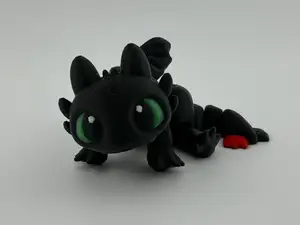
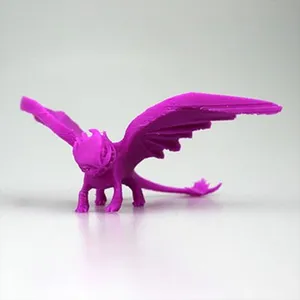
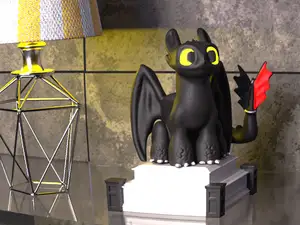

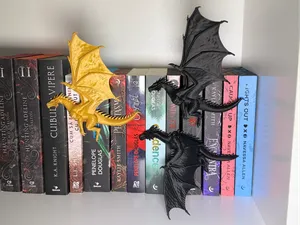

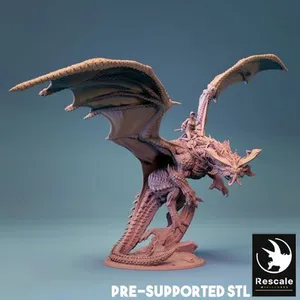


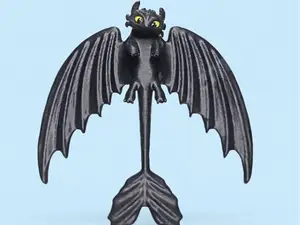
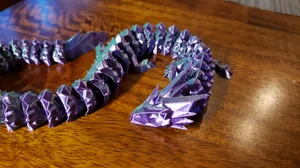
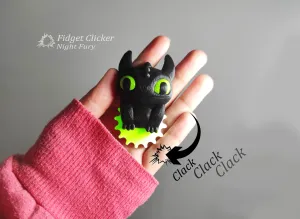

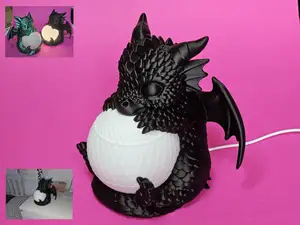
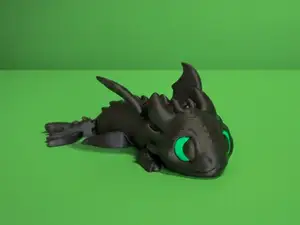
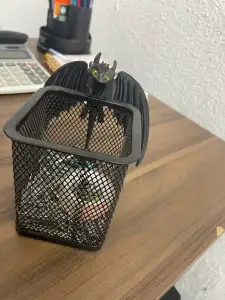


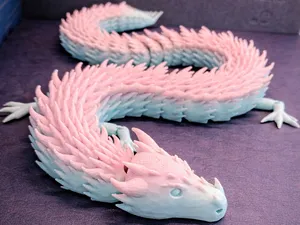

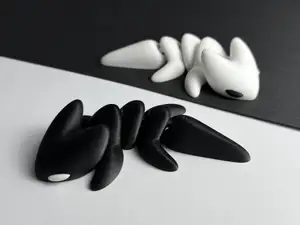



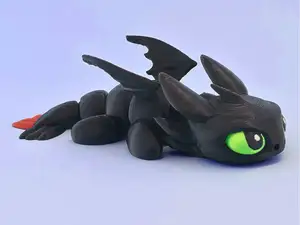



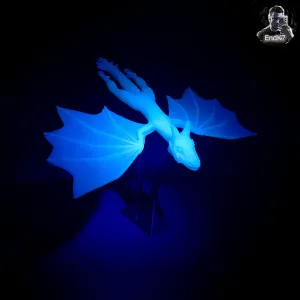


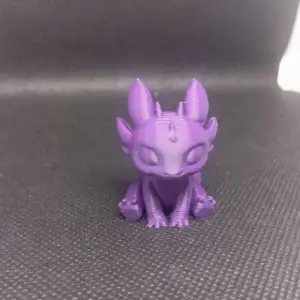

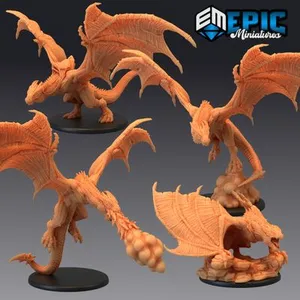


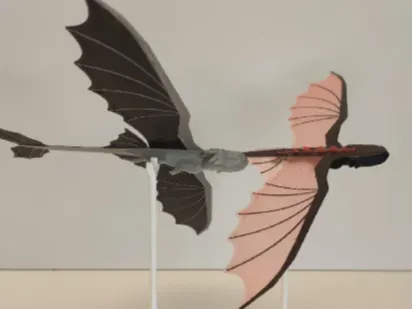
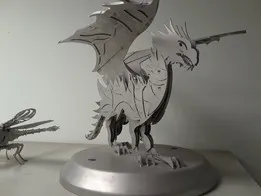
The designs differ mainly in how the dragon moves and how it is meant to be displayed. Articulated versions print with hinges built into the wings, jaw or tail, so the model stays poseable after it comes off the plate. Static display dragons keep a fixed flying pose and often carry more surface detail. Smaller variants shrink the same idea down to keychain or desk size, while mechanical and hand-pulled toys add a crank or lever that flaps the wings.
Before printing, open the author's model page and read the notes rather than judging from the preview image. Check the wingspan and overall scale against your build volume, count the separate parts and see whether assembly or glue is required, and look at whether supports are needed and where they would sit. The material and settings the author lists, plus photos of real prints, tell you more about the result than a rendered thumbnail.
If the results feel narrow, try related wording: wyvern, night dragon, articulated dragon, dragonfly, glow-in-the-dark dragon, dragon lamp, dragon keychain or dragon automata. Combining a creature term with a function word such as articulated, mini, multicolor or lamp usually narrows the list faster than adding more adjectives. Browsing neighbouring topics like fantasy creatures, desk toys or night lights also surfaces designs that share the same mechanics.


完整的主题目录:从家居日用到CNC,均可在已接入的来源平台中搜索。