免费 
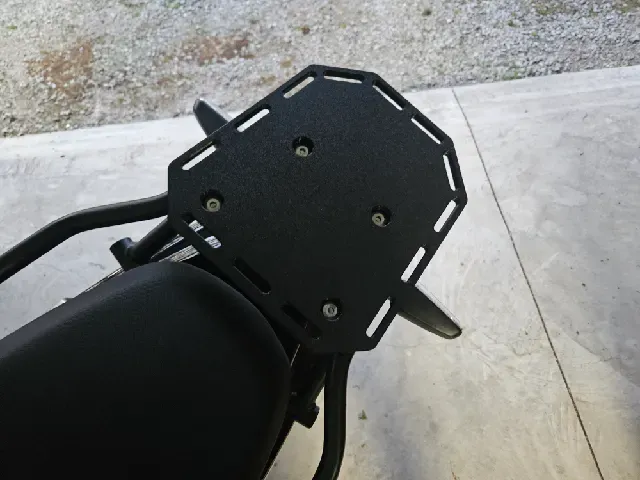
Royal Enfield oil funnel
Thingiverse
This collection brings together bear models for 3D printing, from realistic animal figures to knitted-style toys, decor pieces and small figurines. It is useful when you want a single place to compare how different authors approach the same animal. Most entries are STL files you can slice for a resin or filament 3D printer. Polyzon does not confirm whether models are free, their price, license, official status, affiliation, safety or fitness. Check the current terms at the source.
本合集的文字为英文,搜索本身支持任何语言。
 Polyzon合集 · 43个模型 来自4个平台
此合集由Polyzon根据已接入平台的搜索结果整理而成:去除重复项和没有预览图的模型,匹配度低的排在最后,其余按搜索结果顺序排列。模型归作者所有——请在各模型页面查看使用条款。
筛选规则:Polyzon编辑部 · 文字更新于2026年10月14日

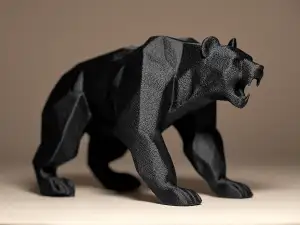
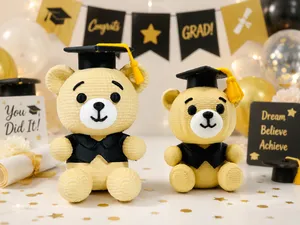
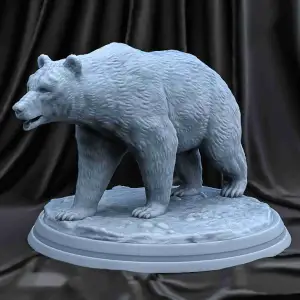
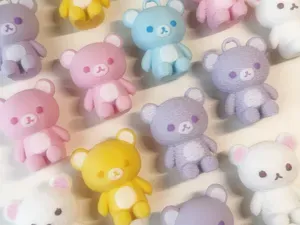
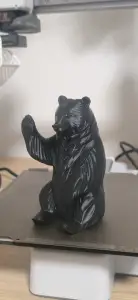
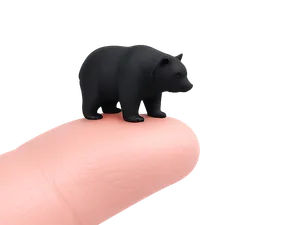
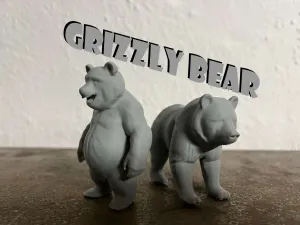
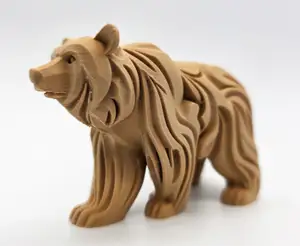
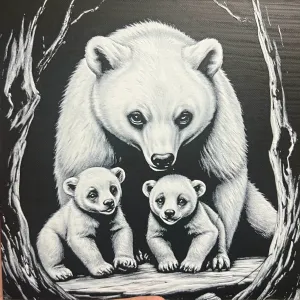
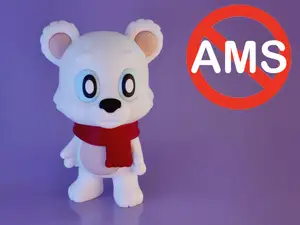
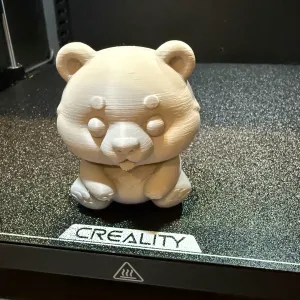

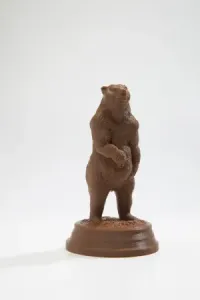
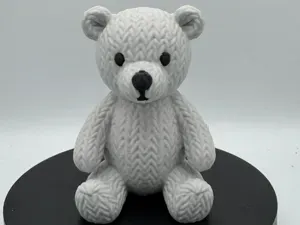
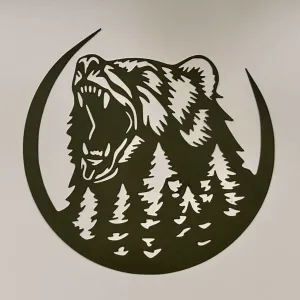
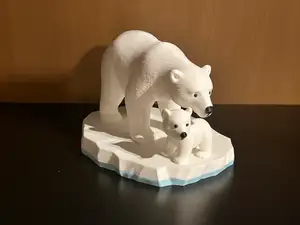
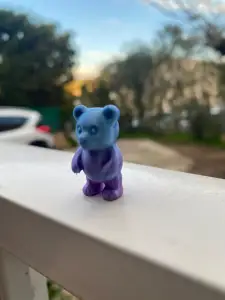
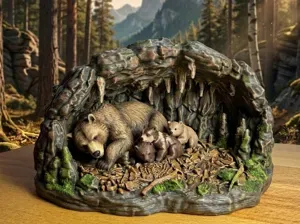
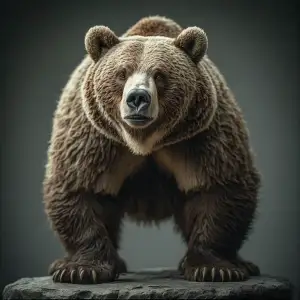
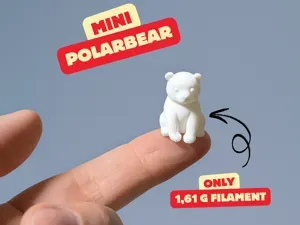
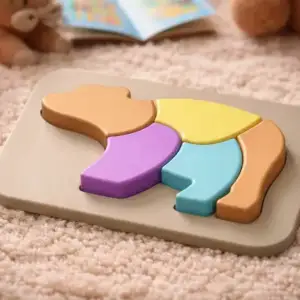
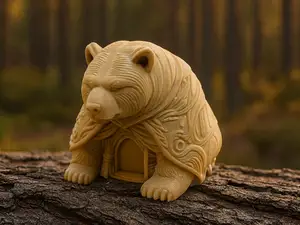
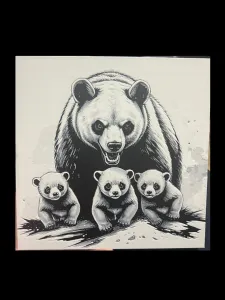
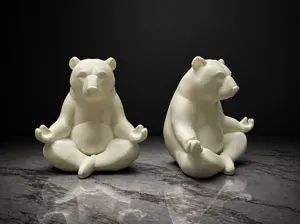
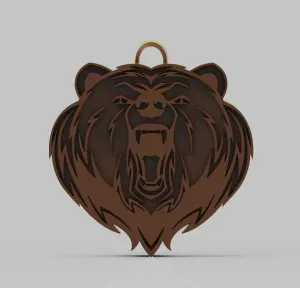
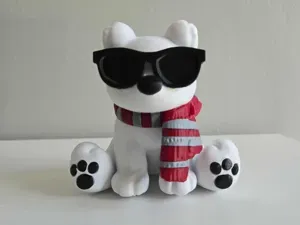
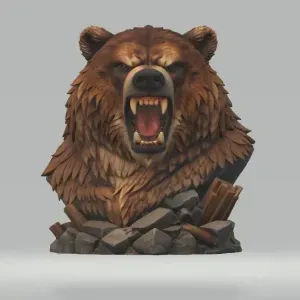
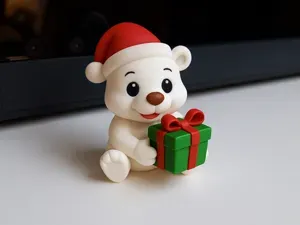
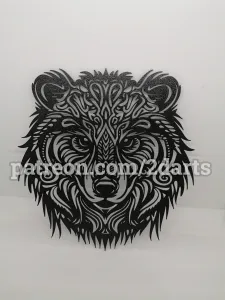
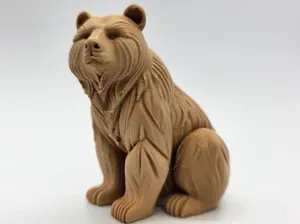
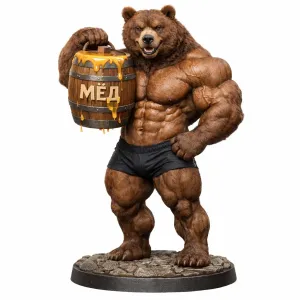
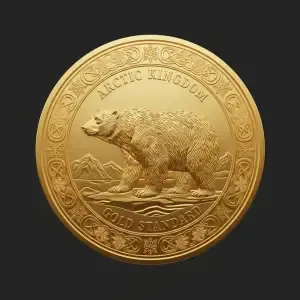
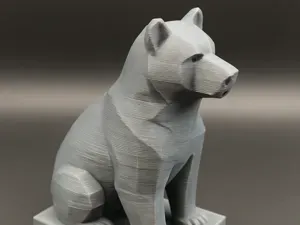
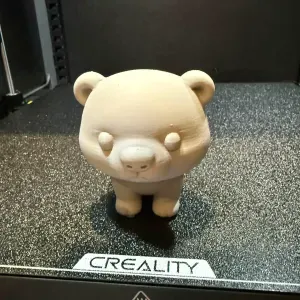
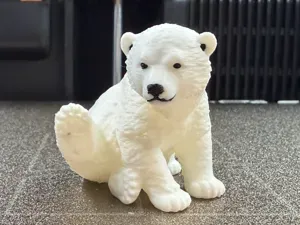
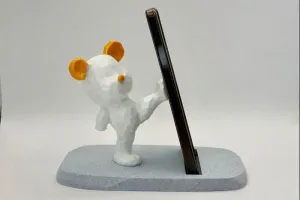
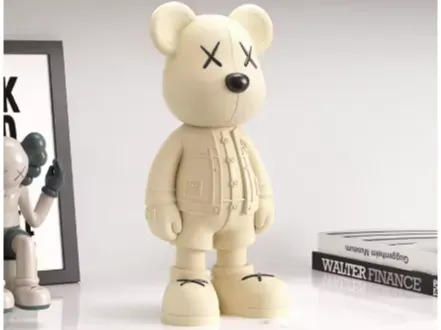
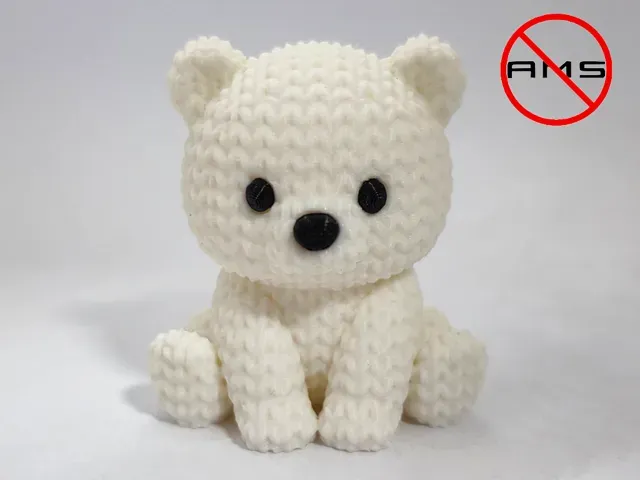
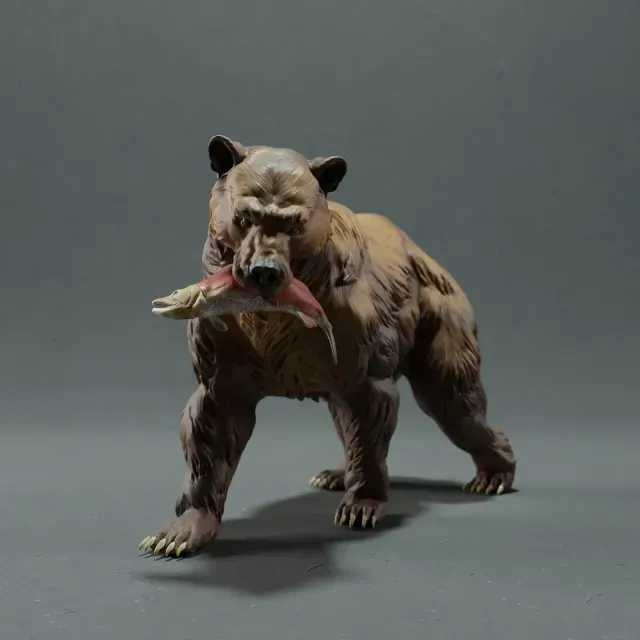
Bear models split into a few clear groups. Realistic wildlife figures aim at anatomy and fur detail, while knitted and plush-style bears use simplified shapes and visible stitch patterns. Decorative sculptures often come as a single solid body, and miniatures are scaled down for dioramas, keychains or desk pieces. Holiday and keepsake versions add seasonal props or a base with a nameplate.
On the author's model page, look at the stated size and scale first, since a bear can be modeled at 30 mm or at 20 cm and the wall thickness changes with it. Check how many parts the file contains and whether the author shows assembly, and whether supports are needed for the paws, ears or muzzle. Read the material and settings the author lists, and study photos of real prints rather than renders to judge surface detail.
If the results feel narrow, try synonyms and related wording: brown bear, grizzly, kodiak, Asiatic black bear, moon bear, cub, teddy, standing or walking bear. Related topics also help, such as forest animals, wildlife dioramas, animal keychains, ornaments and low-poly figures. Combining an animal term with a use case, like decor, miniature or toy, usually narrows the list faster than a single broad word.
完整的主题目录:从家居日用到CNC,均可在已接入的来源平台中搜索。