
免费 
1/12 Busou Shinki Cradle
Cults3D
This collection gathers STL files for anime-style figures, poseable armor kits, airbrush holders and small table accessories. Most entries are small parts that fit a desktop 3D printer, and many come from hobby projects around figure painting and display. It helps to know the scale you work in before you pick a file. Polyzon does not confirm whether models are free, their price, license, official status, affiliation, safety or fitness. Check the current terms at the source.
本合集的文字为英文,搜索本身支持任何语言。
 Polyzon合集 · 38个模型 来自3个平台
此合集由Polyzon根据已接入平台的搜索结果整理而成:去除重复项和没有预览图的模型,匹配度低的排在最后,其余按搜索结果顺序排列。模型归作者所有——请在各模型页面查看使用条款。
筛选规则:Polyzon编辑部 · 文字更新于2026年10月15日


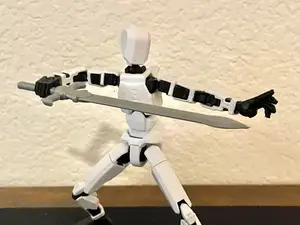

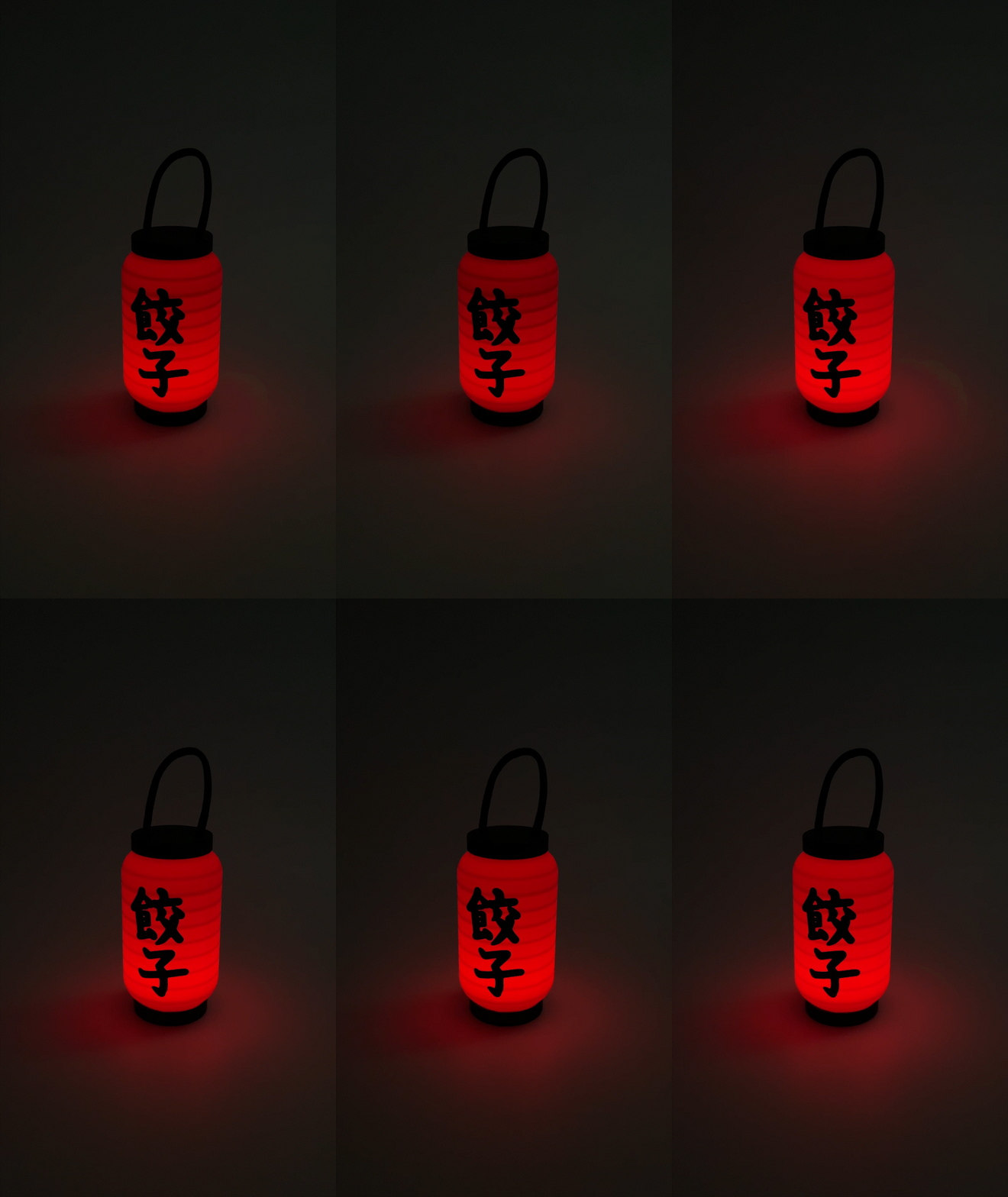

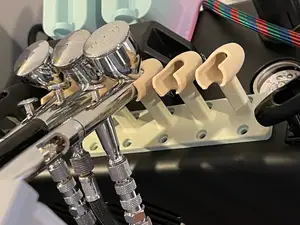

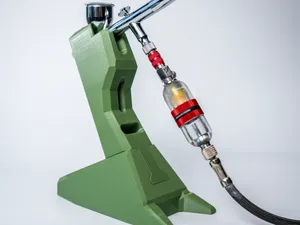

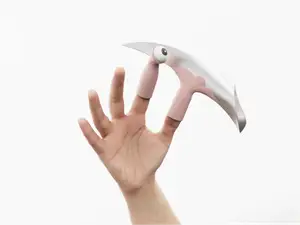

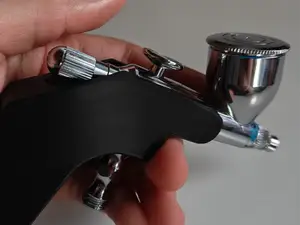







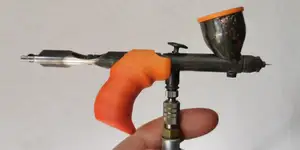

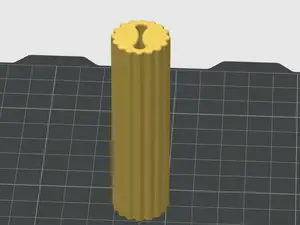
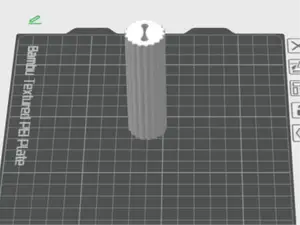
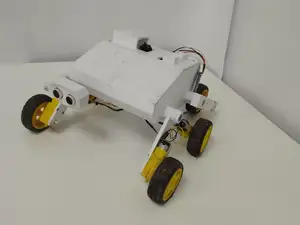
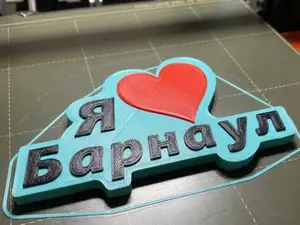
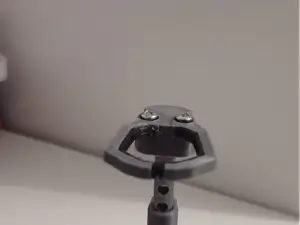
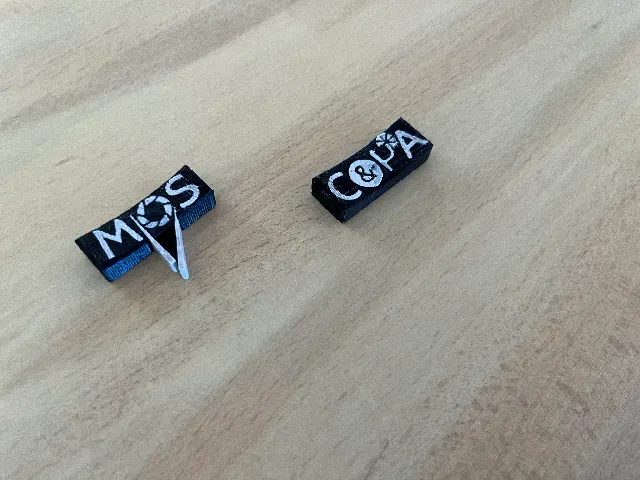
The range is wider than it looks at first. Character figures based on anime and manga series sit next to armor and weapon kits made for poseable bodies, and both differ in how they are built: some are single-piece busts or statues, others are multi-part kits with joints, pegs and separate weapons. A second group covers workshop items such as airbrush holders and grips, plus table pieces like chopstick rests and cutters. Decorative props and small display objects form a third group, often modelled as thin shells or hollow shapes.
When you open a model page, start with size and scale, since a figure meant for a 1/12 body will not match a larger display piece. Then look at the number of parts and how they join, whether the author lists supports, and which material and settings they used. Photos of real prints show how thin walls, small pegs and overhangs actually come out, which matters more here than in large decorative prints. For kits, check whether the model expects glue, magnets or press-fit joints.
Search results improve when you try the words the authors use. Instead of a series name alone, combine it with figure, garage kit, bust or statue; for workshop items try airbrush stand, holder or grip, and for table pieces try chopstick rest, hashioki or cutter. Related topics worth opening are figure stands, display bases, desk organizers and prop replicas, because parts from those collections often fit the same projects. If a search returns little, drop the scale from the query and add it later as a filter.
Printing small parts rewards a slower approach. A finer layer height keeps facial and armor detail readable, while small pegs and thin weapon blades usually benefit from being printed flat or split into sections. Resin printers handle tiny parts well, and FDM works for holders, rests and larger props where strength matters more than fine detail. Whatever the machine, read the author's notes on orientation before you slice, and test-fit joints before painting.
完整的主题目录:从家居日用到CNC,均可在已接入的来源平台中搜索。