免费 
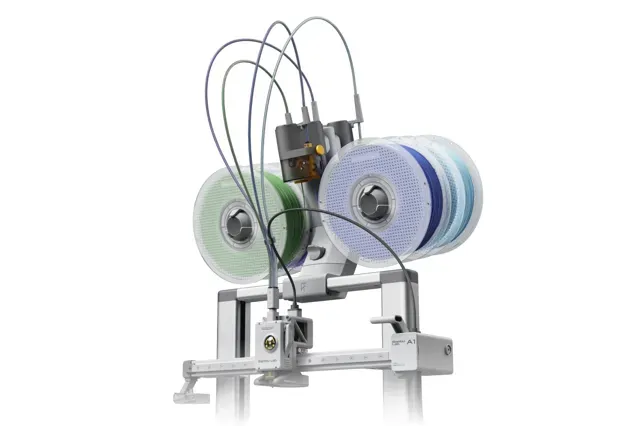
Модульная система крепления
Cults3D
This collection gathers 3D models of fastenings: threaded parts, wall mounts, clips, curtain holders and adapters for tools or devices. It is useful when a standard part does not fit and you want to print a replacement or a custom bracket. Each listing leads to the author's page, where the STL files and print notes are described. Polyzon does not confirm whether models are free, their price, license, official status, affiliation, safety or fitness. Check the current terms at the source.
本合集的文字为英文,搜索本身支持任何语言。
 Polyzon合集 · 48个模型 来自7个平台
此合集由Polyzon根据已接入平台的搜索结果整理而成:去除重复项和没有预览图的模型,匹配度低的排在最后,其余按搜索结果顺序排列。模型归作者所有——请在各模型页面查看使用条款。
筛选规则:Polyzon编辑部 · 文字更新于2026年10月13日


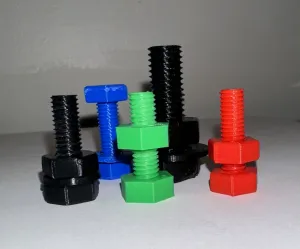


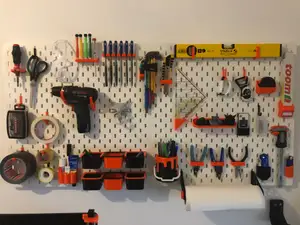


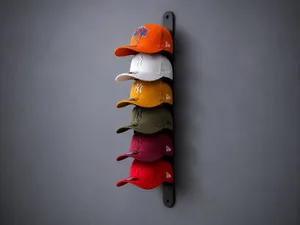
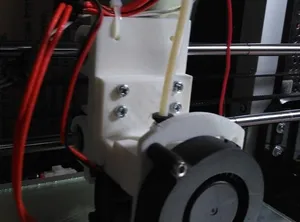
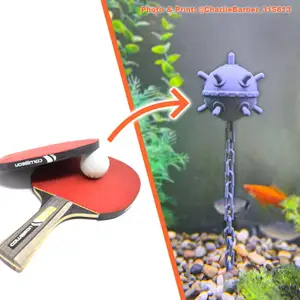
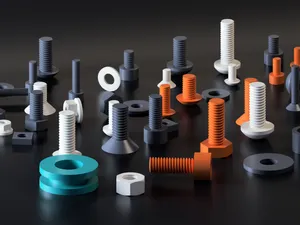

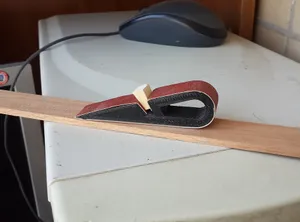


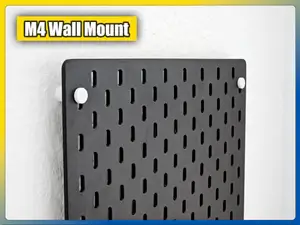


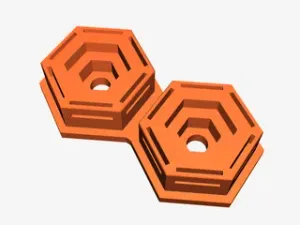
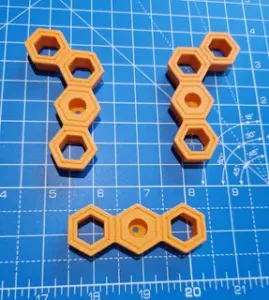


The range is wide. Threaded items cover metric screws and nuts in several diameters, along with generators that let you set your own length and pitch. Mounts and brackets include wall plates, drywall anchors and quick-lock systems, while clips and snap fasteners are built around a flexible arm or a ball joint. Curtain and textile fastenings are usually simple hooks, holdbacks or back plates for frames.
Before printing, read the model page: overall size and scale, thread pitch, wall thickness, number of separate parts and how they join. Check whether the author used supports, what material and layer height are listed, and look at photos of real prints to judge how the part behaves under load. For threaded parts, a small clearance between screw and nut often decides whether the pair turns smoothly.
If a search returns little, try related wording: bracket, holder, clamp, adapter, anchor, hinge, spacer, or the name of the object you want to attach. Combining a general term with a size or a use case narrows the results, and looking at similar models often suggests a design that fits your task better.


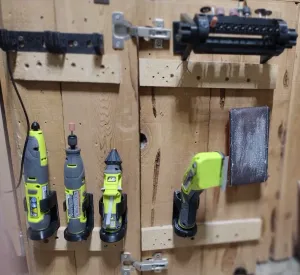

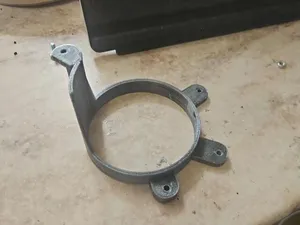

完整的主题目录:从家居日用到CNC,均可在已接入的来源平台中搜索。