
免费 
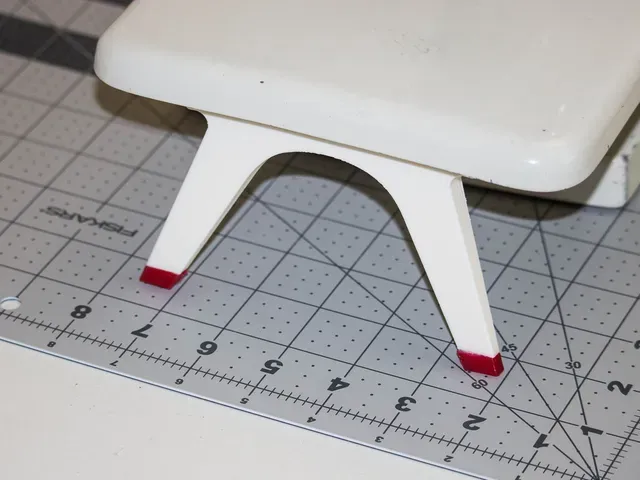
SENTRO Knitting Machine Replacement Legs
Thingiverse
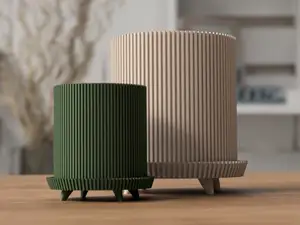
This collection gathers 3D models for machine legs, feet, and related stands. You will find replacement parts for household machines, adjustable supports, and decorative walker legs. The files are intended for 3D printing, so you can adapt scale and material to your 3D printer. Polyzon does not confirm whether models are free, their price, license, official status, affiliation, safety or fitness. Check the current terms at the source.
本合集的文字为英文,搜索本身支持任何语言。
 Polyzon合集 · 44个模型 来自4个平台
此合集由Polyzon根据已接入平台的搜索结果整理而成:去除重复项和没有预览图的模型,匹配度低的排在最后,其余按搜索结果顺序排列。模型归作者所有——请在各模型页面查看使用条款。
筛选规则:Polyzon编辑部 · 文字更新于2026年10月14日


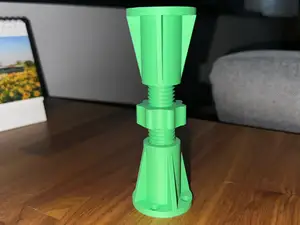

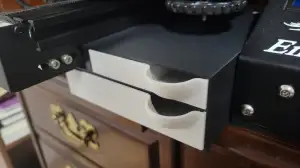
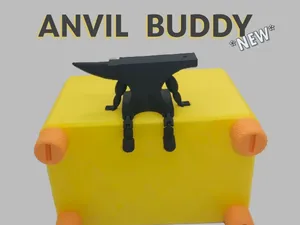


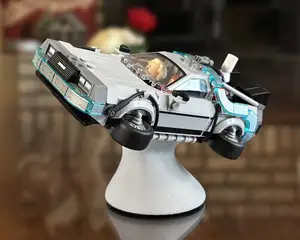
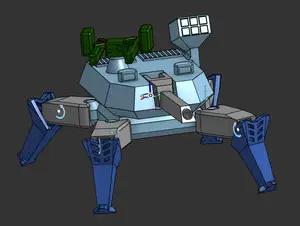


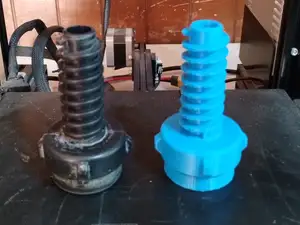


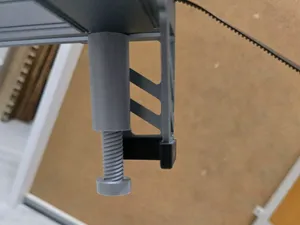




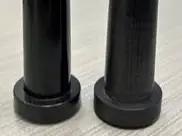


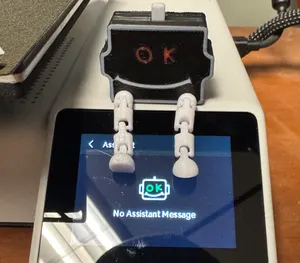


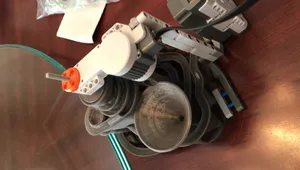
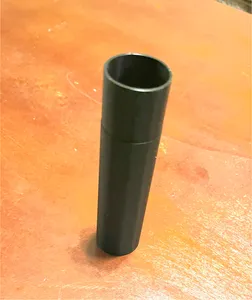


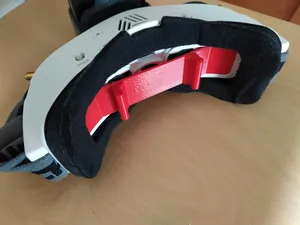
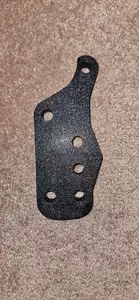
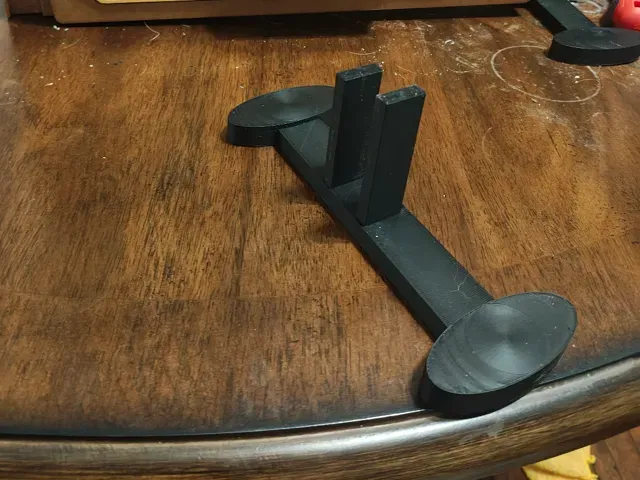
Machine legs in this collection range from simple replacement feet to articulated walker limbs. Some are designed as direct substitutes for worn or missing parts on sewing, knitting, or cutting machines. Others serve as display stands for brick-built models or as protective caps for pinball cabinets. The scale and connection method vary widely, so the same search can return both tiny feet and large mechanical legs.
Before printing, check the mounting hole diameter, thread type, and load direction on the author's model page. Look at the number of parts, whether supports are needed, and the material and settings the author lists. Photos of real prints help you judge how the leg aligns and whether it needs scaling. If a model is split into several pieces, plan for assembly and possible fasteners.
To narrow results, try synonyms such as foot, base, support, stand, or bracket alongside the machine type. Related searches include adjustable height, cabinet protector, replacement part, and display stand. Combining a machine name with a connection style or diameter often returns more specific models. You can also search for the model family or scale if the legs are part of a larger figure or vehicle.
完整的主题目录:从家居日用到CNC,均可在已接入的来源平台中搜索。