
免费 
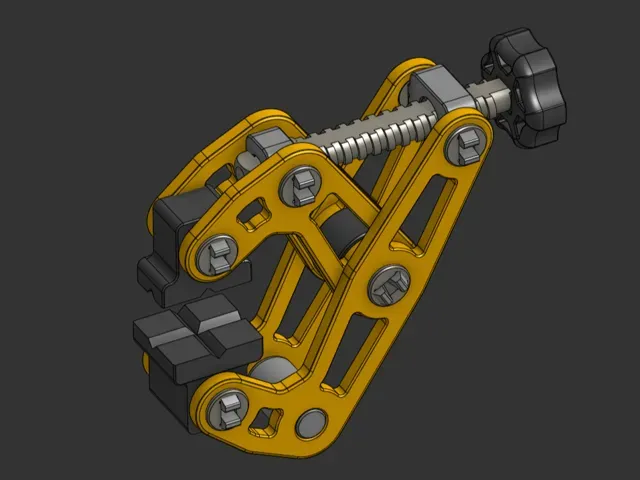
Twist In Cable Clamp [2020 Aluminium Profile]
Thingiverse
This collection gathers STL files for piercing clamps, twist-style clamps, wire twisting aids and twist-lock holders. You can compare how each design approaches clamping force, jaw shape and assembly before opening a model page. The range is useful when you need a small fixture or a holding tool for a specific task. Polyzon does not confirm whether models are free, their price, license, official status, affiliation, safety or fitness. Check the current terms at the source.
本合集的文字为英文,搜索本身支持任何语言。
 Polyzon合集 · 44个模型 来自3个平台
此合集由Polyzon根据已接入平台的搜索结果整理而成:去除重复项和没有预览图的模型,匹配度低的排在最后,其余按搜索结果顺序排列。模型归作者所有——请在各模型页面查看使用条款。
筛选规则:Polyzon编辑部 · 文字更新于2026年10月14日






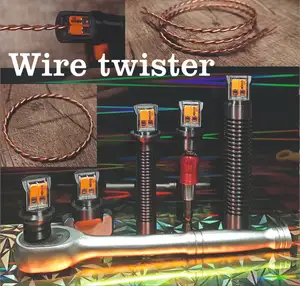


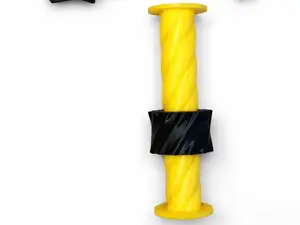

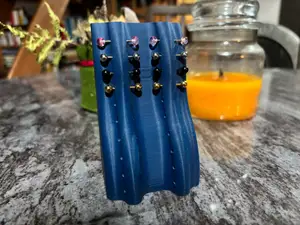

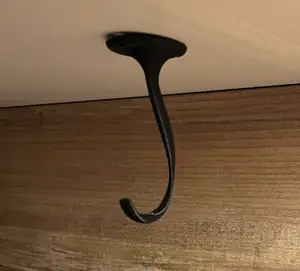

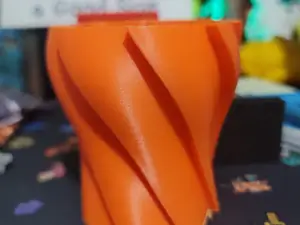



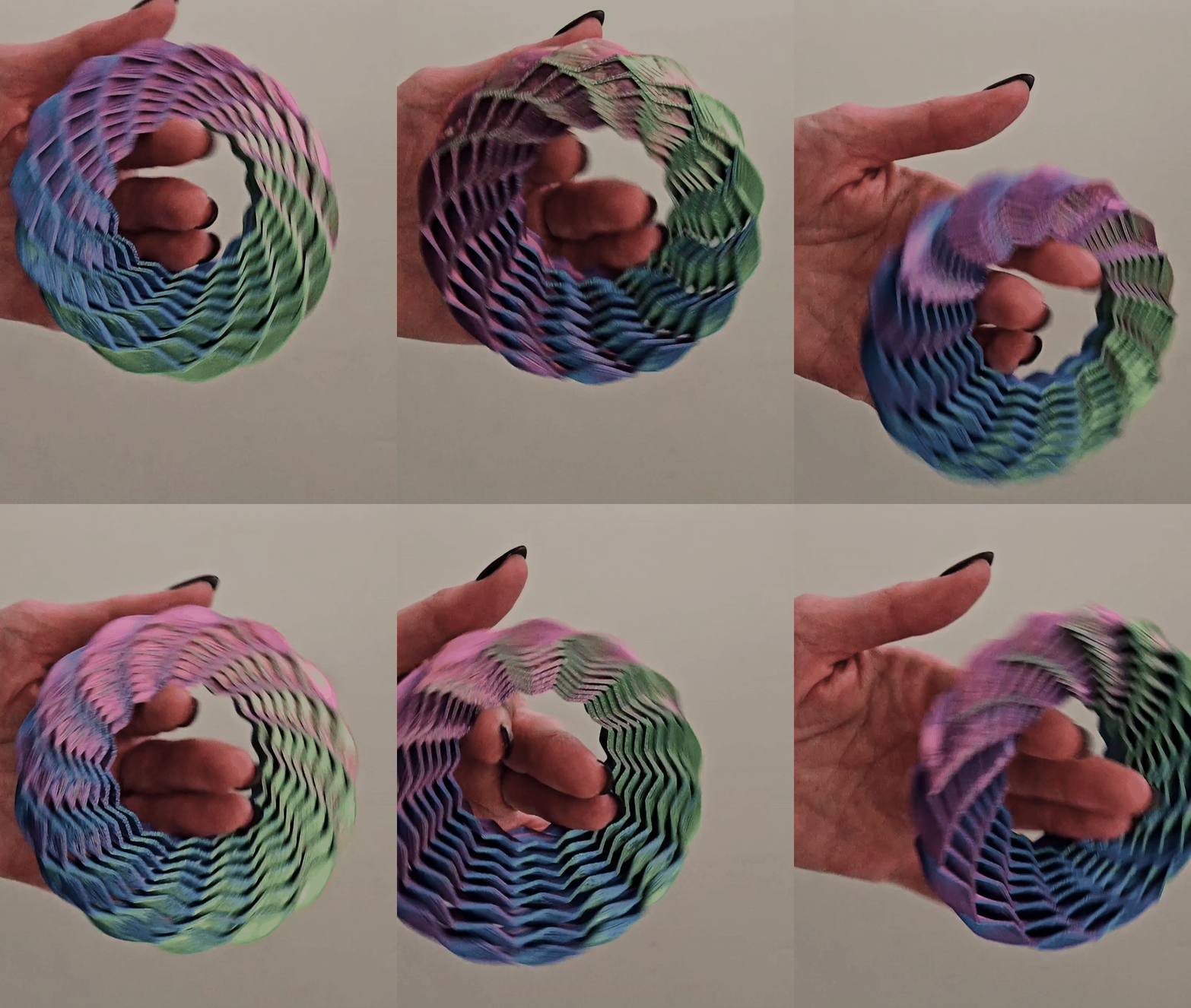

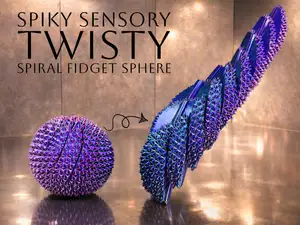

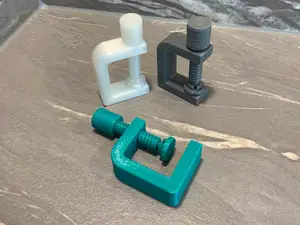

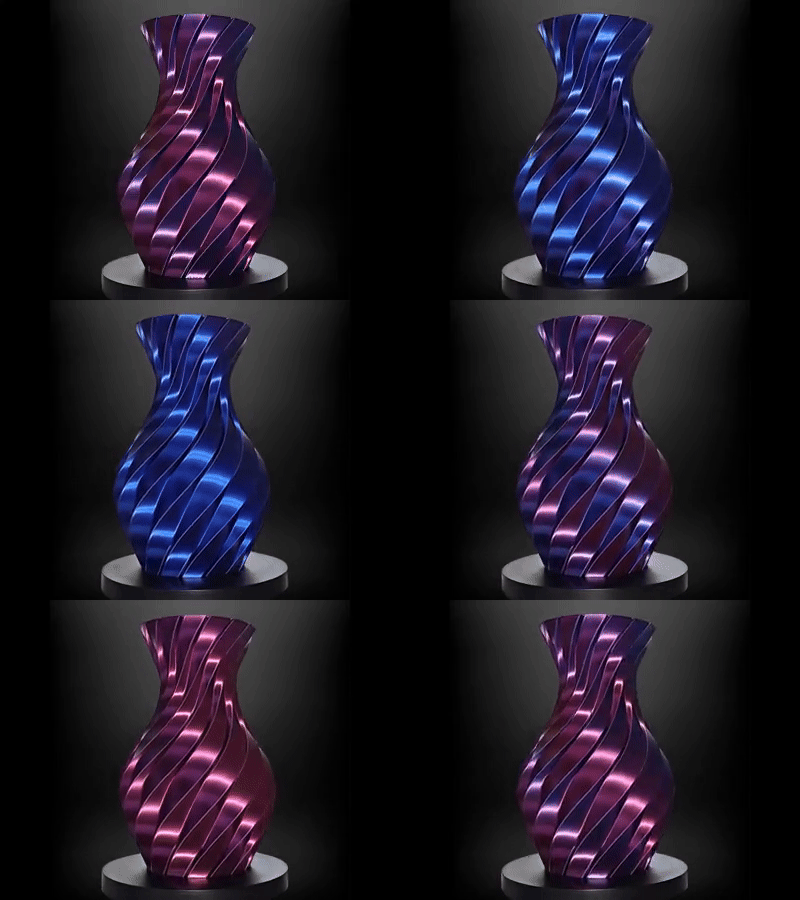


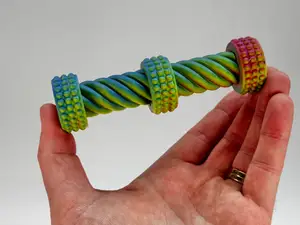

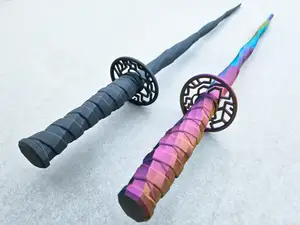

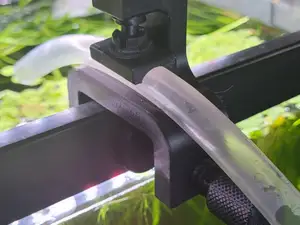

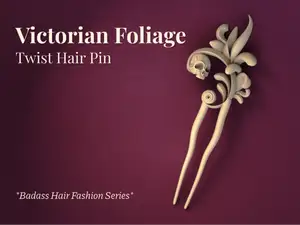

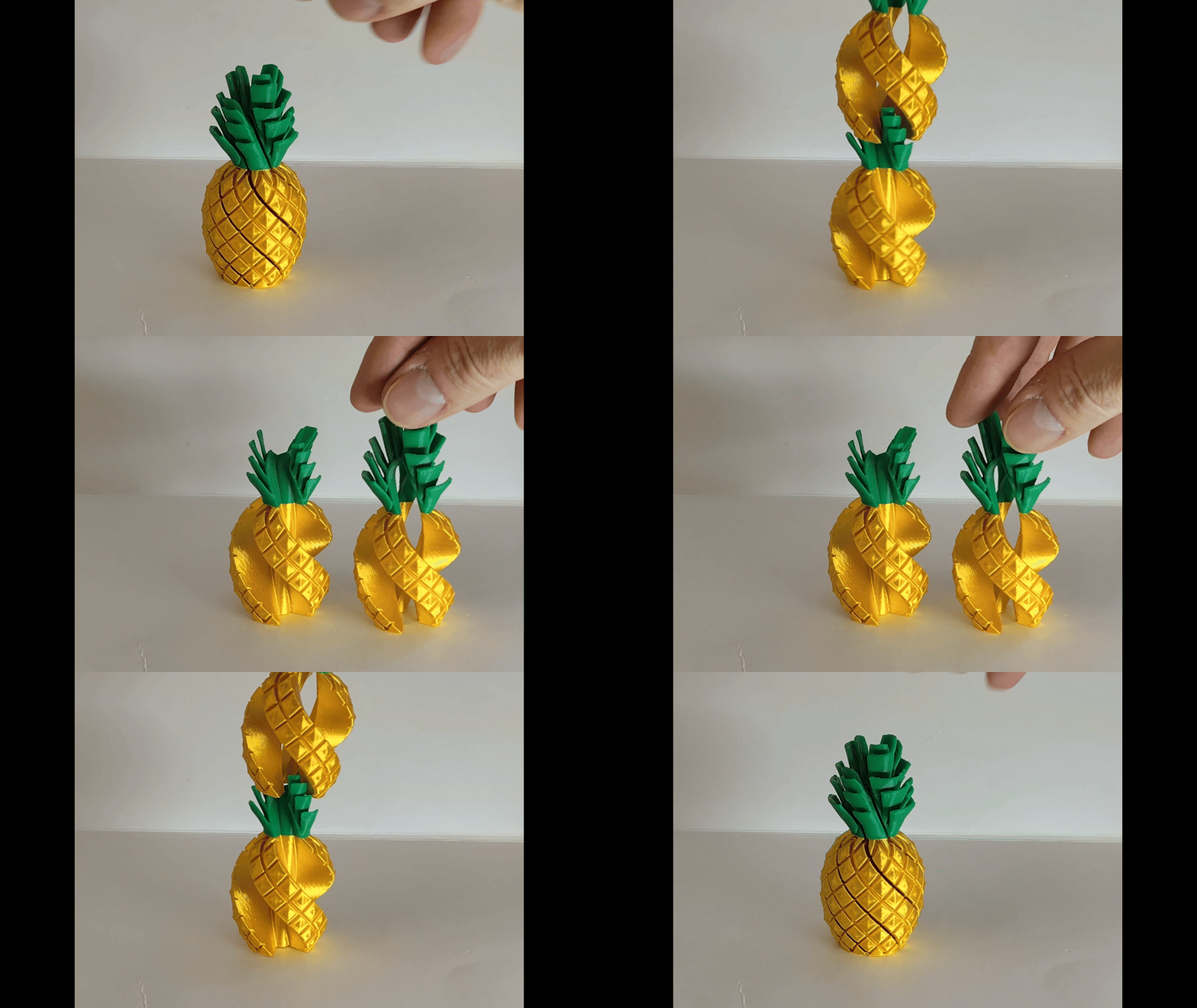
Piercing clamps usually have narrow jaws or slots for holding small parts, while twist-style clamps use a threaded rod and pivoting jaws to apply pressure across a wider opening. Cable and wire twisting tools often combine a clamp body with a guide or hook, so their geometry differs from a plain workshop clamp. Twist-lock holders and stands are built around a rotating joint or keyed slot rather than a screw mechanism.
On a model page, check the listed dimensions and scale, the number of separate parts, and whether the author shows the clamp assembled. Look at the recommended material and layer height, because thin jaws and threaded sections behave differently in rigid and flexible filaments. Photos of real prints can show how the threads, hinges or slots came out on a 3D printer.
To narrow the results, try synonyms such as body jewelry clamp, septum clamp, twist-style clamp, cable clamp, wire twister or twist-lock holder. Related searches include jewelry making tools, workshop fixtures, cable management and small part holders. Adding a material, a thread type or a mounting profile to the query can separate models meant for different setups.




完整的主题目录:从家居日用到CNC,均可在已接入的来源平台中搜索。