
免费 
Boucle 50 mm x 55 mm Sac à dos Quechua Forclaz 30 L - Backpack buckle 50 mm x 55 mm
Thingiverse
This collection gathers 3D models built around pipes of roughly 50 mm diameter, from wall clamps and blast gates to reducers, caps and modular frames. It is useful when a standard fitting does not match your pipe or your layout. Each file comes from a different author, so the dimensions and settings vary between them. Polyzon does not confirm whether models are free, their price, license, official status, affiliation, safety or fitness. Check the current terms at the source.
本合集的文字为英文,搜索本身支持任何语言。
 Polyzon合集 · 46个模型 来自4个平台
此合集由Polyzon根据已接入平台的搜索结果整理而成:去除重复项和没有预览图的模型,匹配度低的排在最后,其余按搜索结果顺序排列。模型归作者所有——请在各模型页面查看使用条款。
筛选规则:Polyzon编辑部 · 文字更新于2026年10月12日

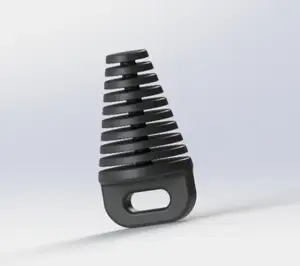
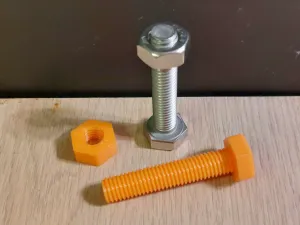


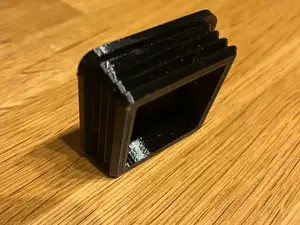


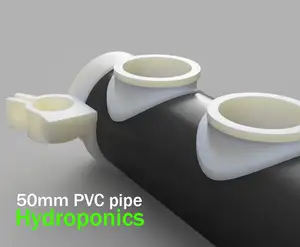
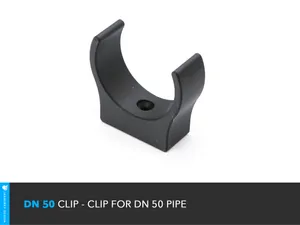
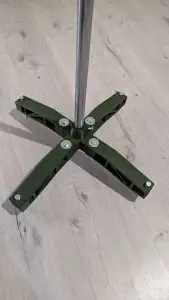


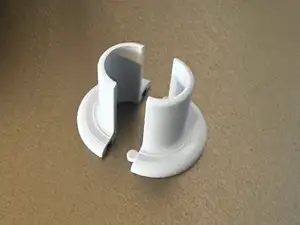
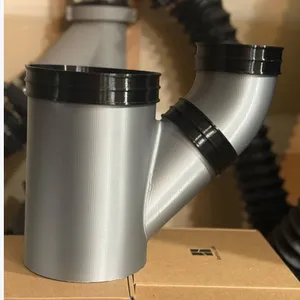


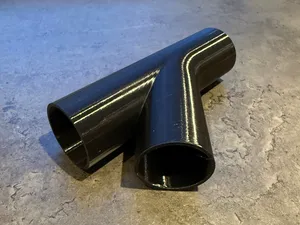
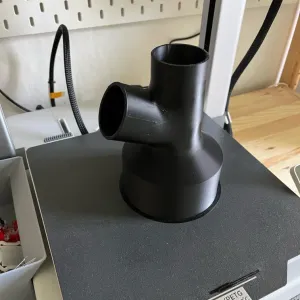


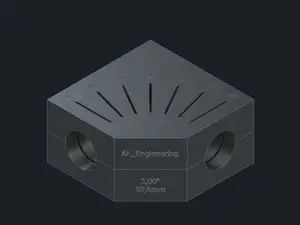
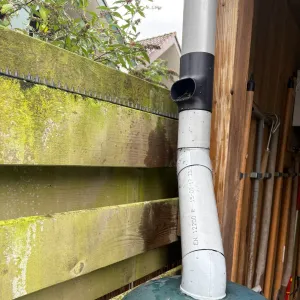


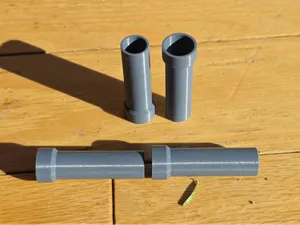
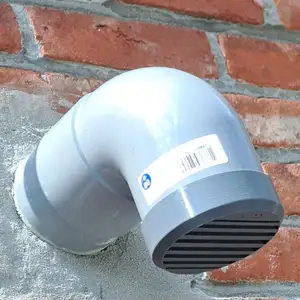

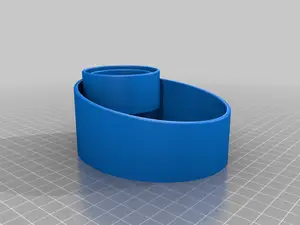
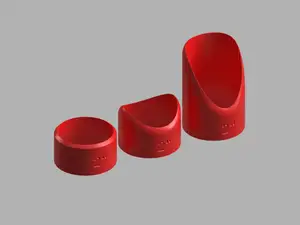
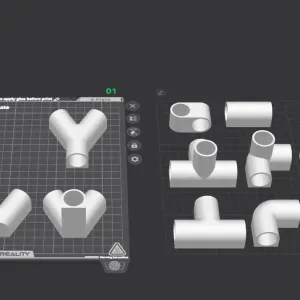


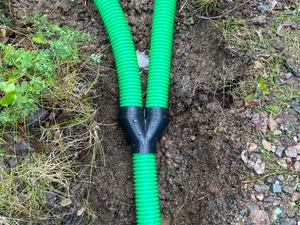
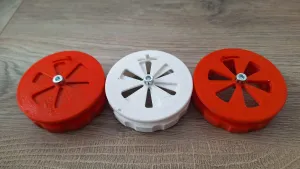


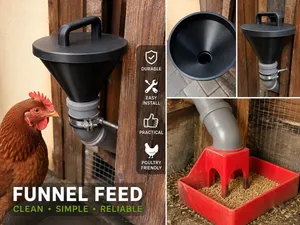
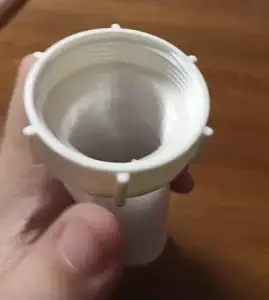

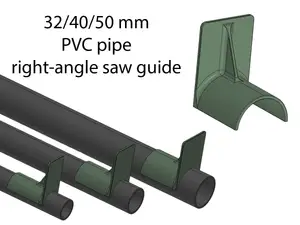
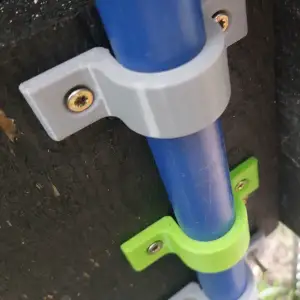
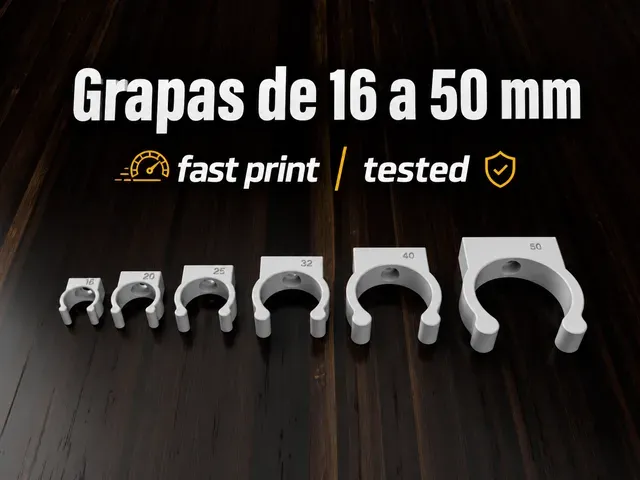
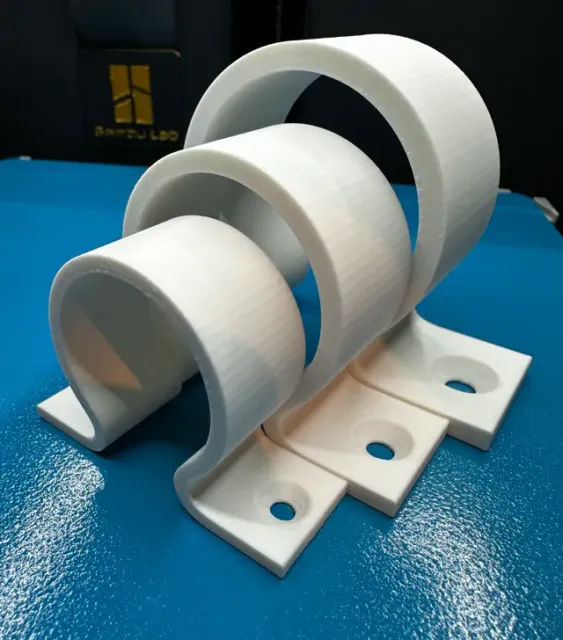
The parts fall into a few groups. Clamps and brackets hold a pipe against a wall or a frame, blast gates sit inline and control airflow in dust-extraction runs, and reducers or adapters join pipes of different diameters or convert one connection into two. Some pieces are printed as a single body, while others are split into halves or combined with screws and inserts.
Before printing, compare the model's stated diameter with the actual pipe you have. Nominal sizes such as DN 50 or 2 inch do not always match the measured outer and inner diameter, and wall thickness affects how far a pipe slides into a socket. Look at the author's notes on material, layer orientation, whether supports are needed and which screws or hardware the part expects, and check photos of real prints for fit.
If a search returns little, try the terms used for the same object in other trades: pipe clamp, bracket, DN 50, 2 inch, blast gate, dust collection fitting, reducer, coupler, end cap or plug. Related topics such as workshop dust extraction, hydroponics, drainage, pool plumbing and pipe-built furniture often lead to the same parts under different names.


完整的主题目录:从家居日用到CNC,均可在已接入的来源平台中搜索。