
免费 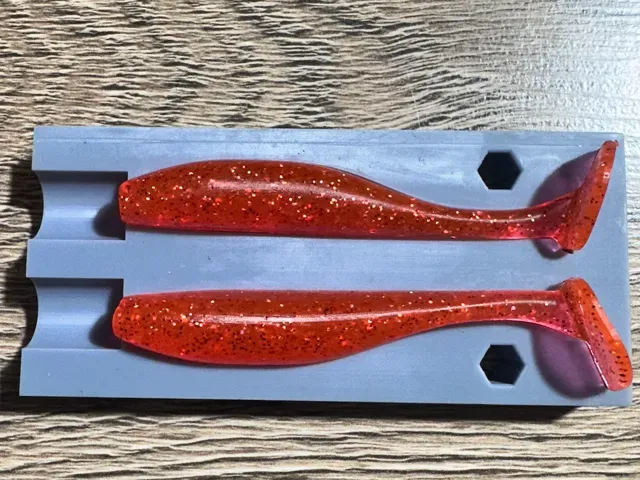
Soft Lure Shad Mold - DIY Fishing Bait
MakerWorld
This collection gathers 3D models related to fishing tackle: hard and soft lures, molds for casting bait, containers for storing it, and small tools used while making it. Most files are meant for a 3D printer at home, so the choice usually comes down to the size of the part and the material you plan to use. Browsing the collection helps you find both finished lure shapes and the auxiliary parts around them. Polyzon does not confirm whether models are free, their price, license, official status, affiliation, safety or fitness. Check the current terms at the source.
本合集的文字为英文,搜索本身支持任何语言。
 Polyzon合集 · 48个模型 来自6个平台
此合集由Polyzon根据已接入平台的搜索结果整理而成:去除重复项和没有预览图的模型,匹配度低的排在最后,其余按搜索结果顺序排列。模型归作者所有——请在各模型页面查看使用条款。
筛选规则:Polyzon编辑部 · 文字更新于2026年10月15日

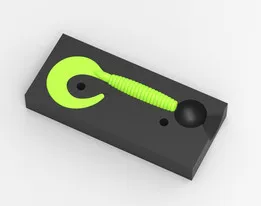
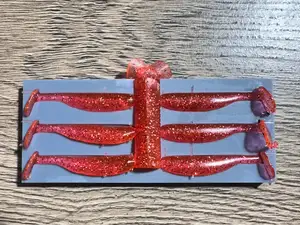


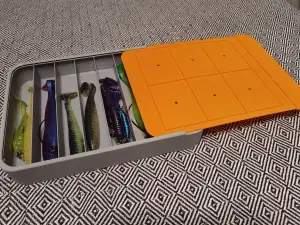


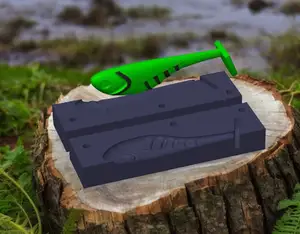


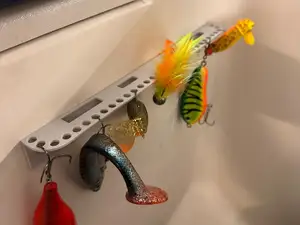


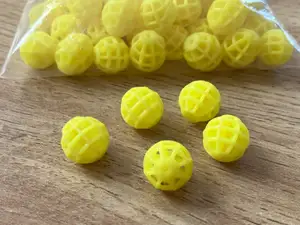

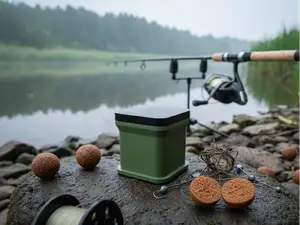

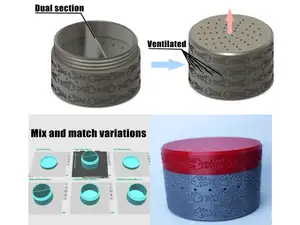
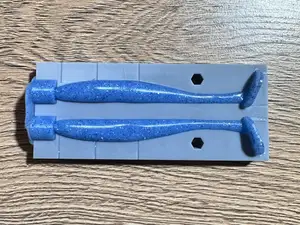
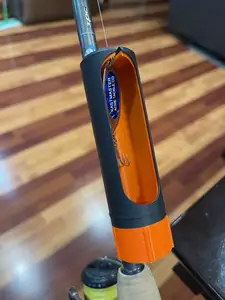
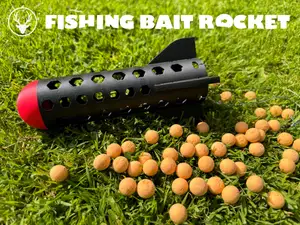

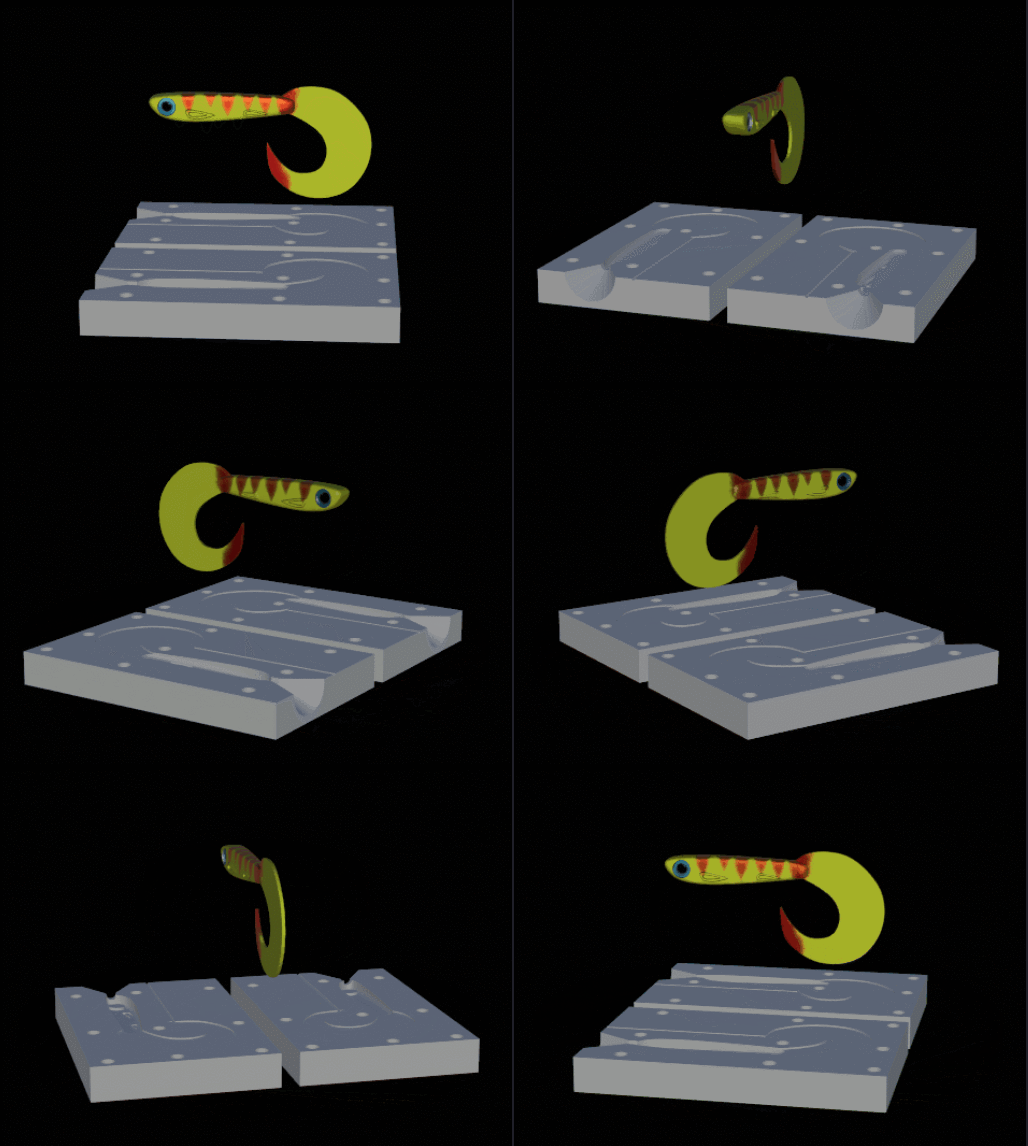







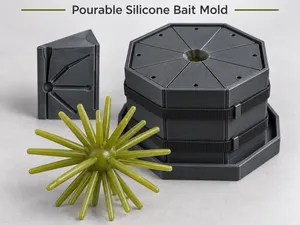
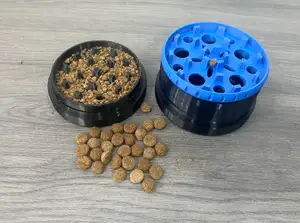
Lure models differ mainly in how they are built. Some are single-piece bodies shaped like a minnow or a swimbait, others are split into a body, a lip or a tail that you join after printing. Soft and flexible versions are printed with elastic filaments, while hard baits are usually printed in several parts and then assembled with wire, hooks and weights. Molds and forms are a separate group: they are printed as a negative shape so you can cast silicone or another compound into them.
Before printing, open the author's model page and read what is listed there: overall length and scale, wall thickness, number of parts, whether supports are needed, and the material and settings the author used. Look at photos of real prints to judge surface quality and how the model behaves in water. For lures that must float or sink in a certain way, check how the cavity for weights and the hook mounts are arranged, since that decides how the finished bait sits in the water.
Search results can be widened with related wording. Try synonyms such as lure, plug, spinner, swimbait, jig and crankbait, or the names of the fish and water types you have in mind. For the workshop side, look for mold, form, casting, container, box, organizer, dryer and press. Combining a lure type with a printing term, or a storage term with the word tackle, usually brings up a different set of files than a single broad query.
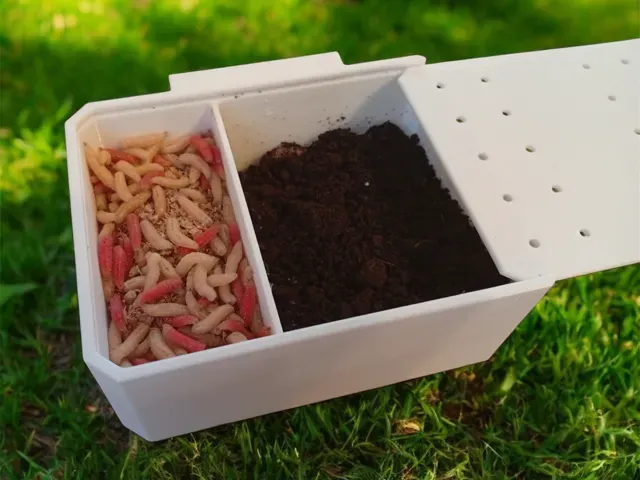
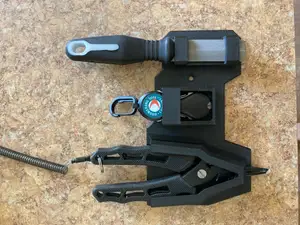
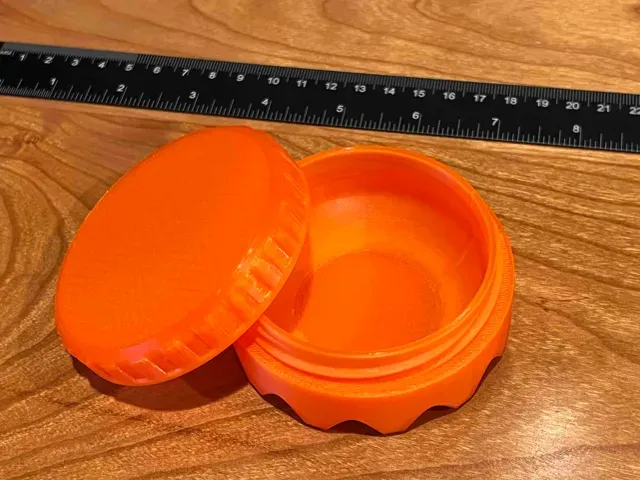
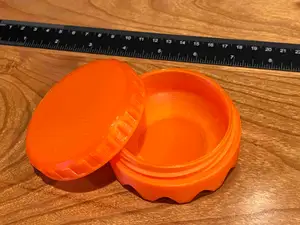
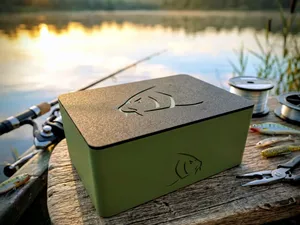
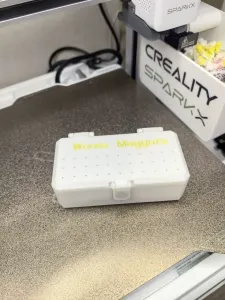
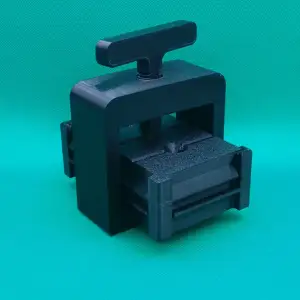
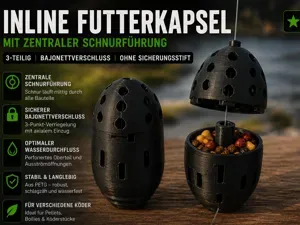
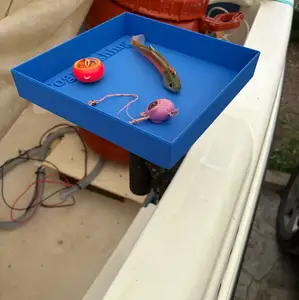
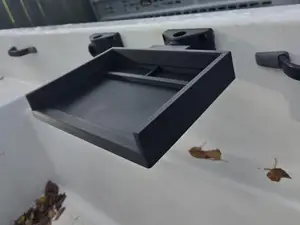
Containers and organizers are often printed as boxes with dividers, capsules or flat tables for sorting hooks and bait at home. Their useful parameters are the internal dimensions, the lid fit and the thickness of the walls, which you can adjust in the slicer before printing. Tools such as presses, dryers and spinners are mechanical parts, so check the tolerances, the hardware they require and whether the moving elements are printed or bought separately.
完整的主题目录:从家居日用到CNC,均可在已接入的来源平台中搜索。