免费 
Mayan Equilibrium Charm
Thingiverse
This collection gathers 3D models built around balance and equilibrium: stacking games, tensegrity structures, teaching kits for levers and moments, small ornaments and prop replicas. It is useful when you want a 3D printing project where the point is how the piece stands, tilts or holds together rather than how it looks alone. Many of the files are small enough for a first attempt at a moving or self-supporting object. Polyzon does not confirm whether models are free, their price, license, official status, affiliation, safety or fitness. Check the current terms at the source.
本合集的文字为英文,搜索本身支持任何语言。
 Polyzon合集 · 45个模型 来自4个平台
此合集由Polyzon根据已接入平台的搜索结果整理而成:去除重复项和没有预览图的模型,匹配度低的排在最后,其余按搜索结果顺序排列。模型归作者所有——请在各模型页面查看使用条款。
筛选规则:Polyzon编辑部 · 文字更新于2026年10月15日

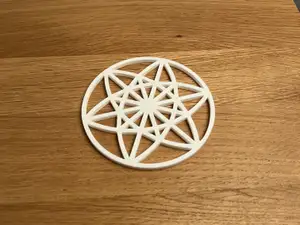
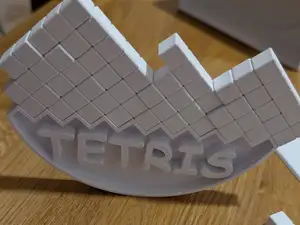


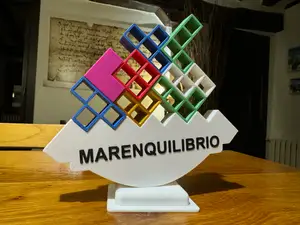


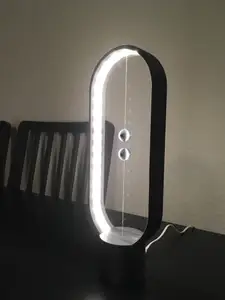

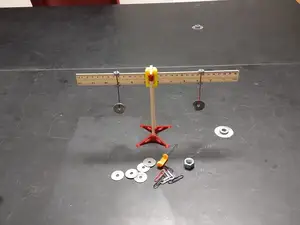
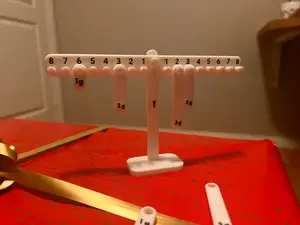


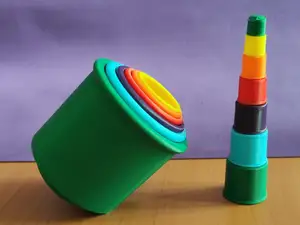


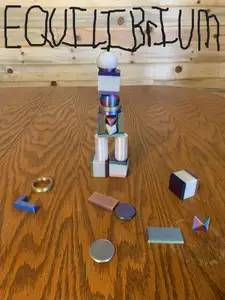
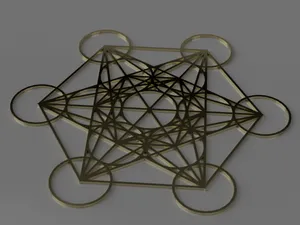


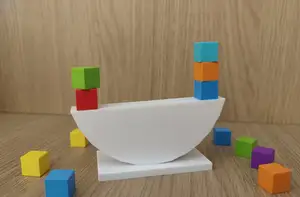
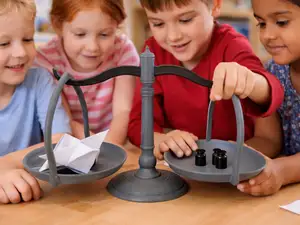


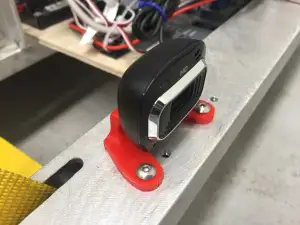


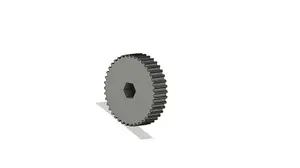
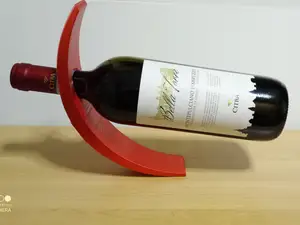


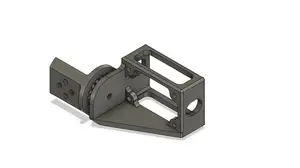
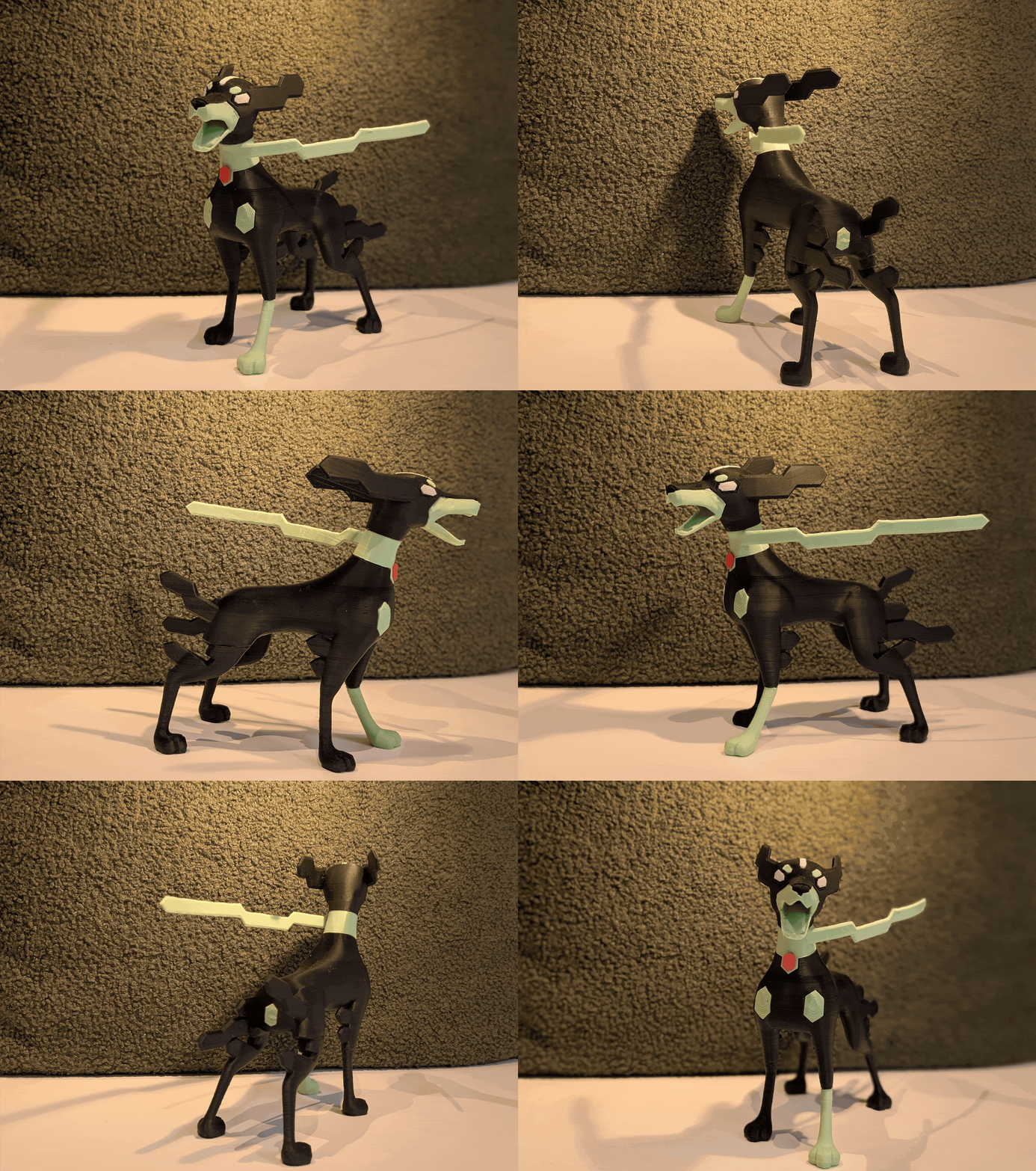


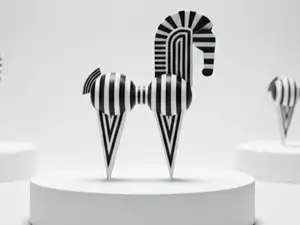

Balance games usually consist of several loose parts that stack or rest on a base, so the challenge is in the geometry rather than in the assembly. Tensegrity and decorative pieces work the other way: they are often a single frame held by tensioned lines or magnets, and the printed parts have to be joined after the fact. Teaching kits for levers and moments tend to include a beam, a pivot and a set of weights, which makes them closer to a demonstration tool than a toy.
Before printing, read the author's page for the size and scale, the number of separate parts, and whether supports are needed for the overhangs. Check which material and settings the author lists, since thin arms and pivots behave differently in rigid and flexible filaments, and look at photos of real prints to judge how the joints and contact points turned out. For anything that relies on magnets or cord, confirm what extra hardware the build expects.
If you want more results, try synonyms such as balance toy, stacking puzzle, tensegrity table, center of gravity or moment of force, and combine them with terms like desk ornament, educational model or kinetic. Related searches include mobiles, pendulums, seesaw mechanisms and magnetic switches, which often appear alongside equilibrium pieces. Broadening to physics demonstration or puzzle game can also surface models filed under different wording.
The topic mixes playful and technical files, so decide first whether you want something to handle or something to explain. A stacking game rewards a flat base and consistent part sizes, while a tensegrity or magnetic piece depends on the accuracy of a few small connectors. Checking dimensions and part counts before slicing saves a reprint later.
完整的主题目录:从家居日用到CNC,均可在已接入的来源平台中搜索。