免费 
0-waste a multipurpose robot
Thingiverse
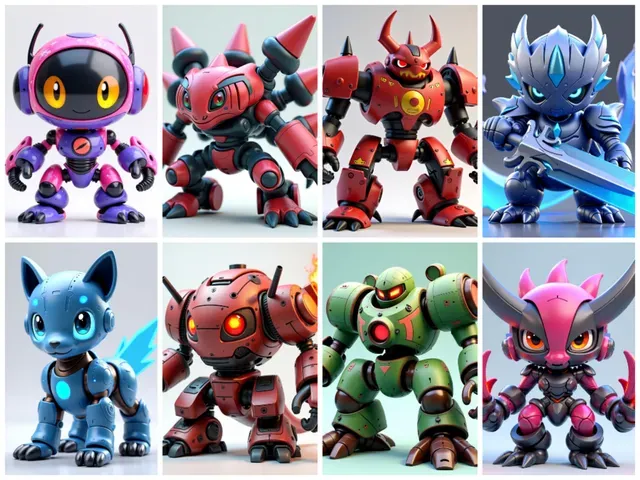
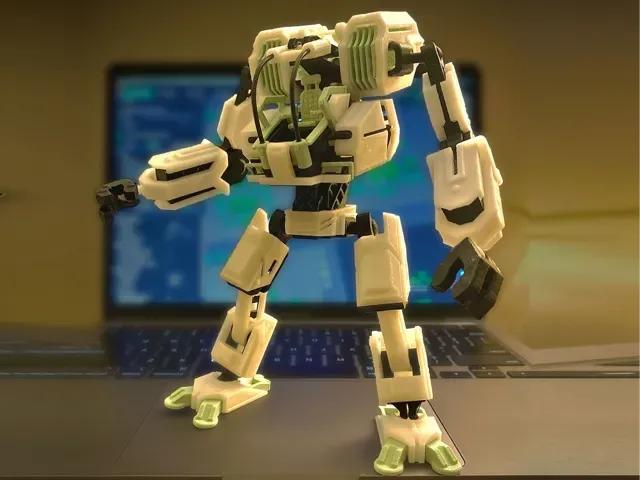
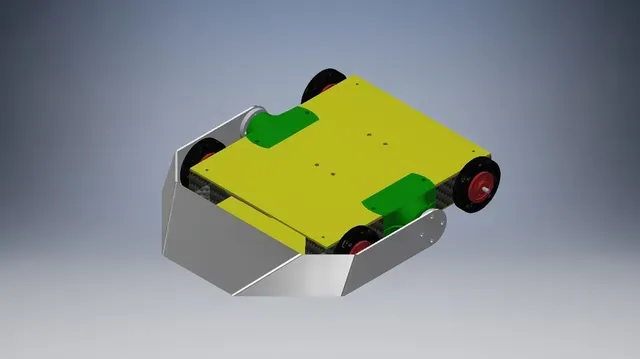
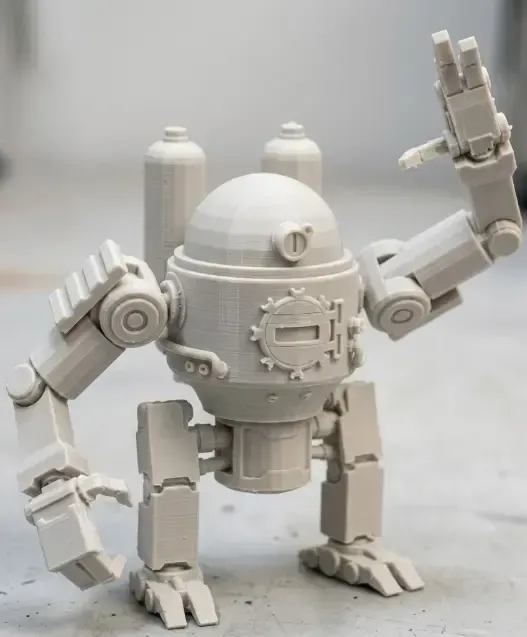
This collection gathers robot and mecha 3D models in several directions: combat robots built for weight classes, articulated mech figures, small desk companions and functional parts such as arms and grippers. It is useful when you want a starting point for 3D printing and prefer to compare shapes, part counts and scales before committing to a long print. Miniature-scale versions for tabletop games sit alongside larger display pieces. Polyzon does not confirm whether models are free, their price, license, official status, affiliation, safety or fitness. Check the current terms at the source.
本合集的文字为英文,搜索本身支持任何语言。
 Polyzon合集 · 48个模型 来自4个平台
此合集由Polyzon根据已接入平台的搜索结果整理而成:去除重复项和没有预览图的模型,匹配度低的排在最后,其余按搜索结果顺序排列。模型归作者所有——请在各模型页面查看使用条款。
筛选规则:Polyzon编辑部 · 文字更新于2026年10月14日
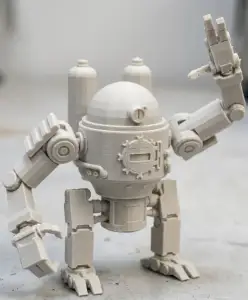


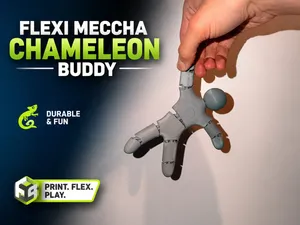
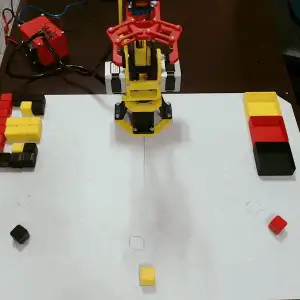


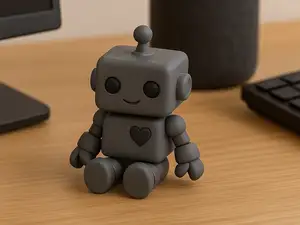
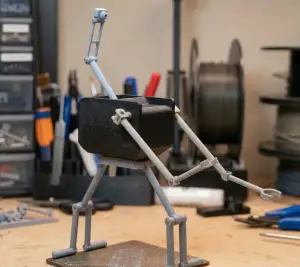

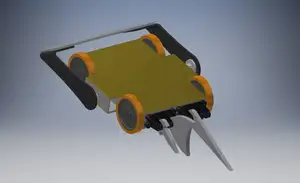
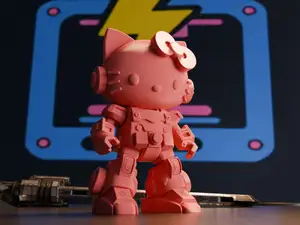


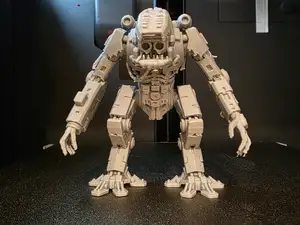
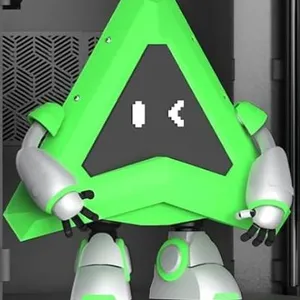

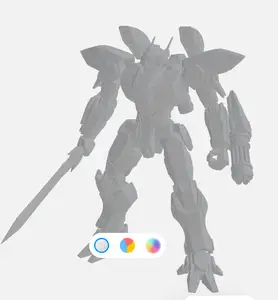
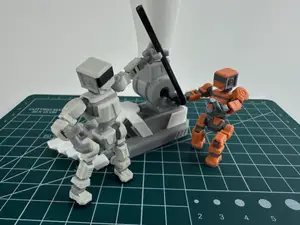
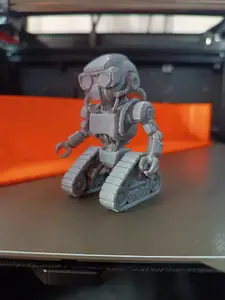
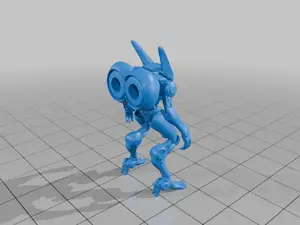
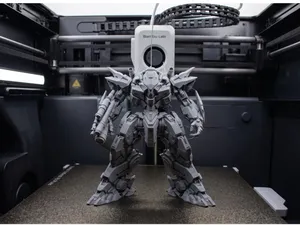
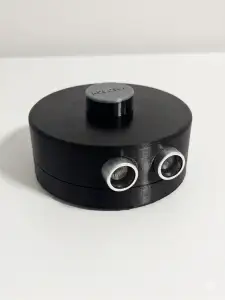

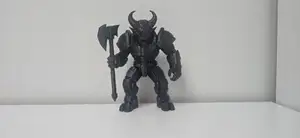
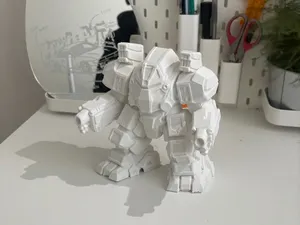

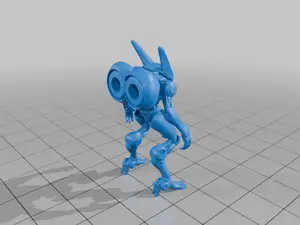
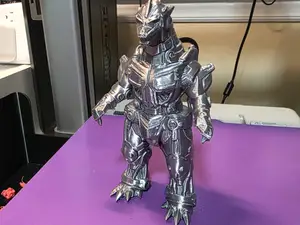
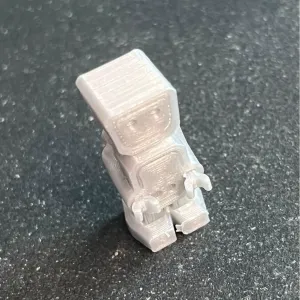

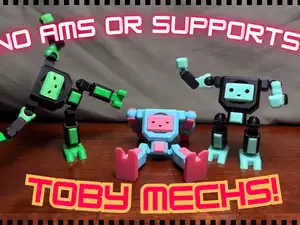
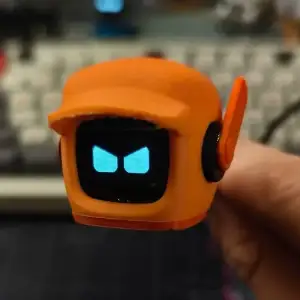
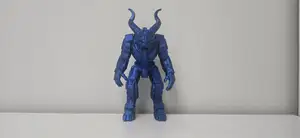
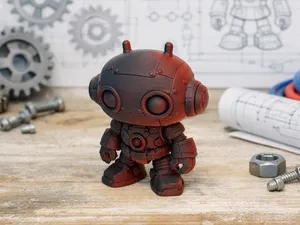
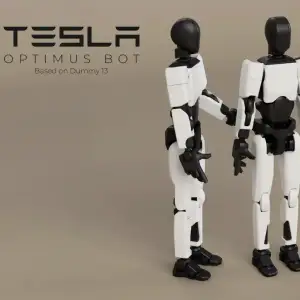
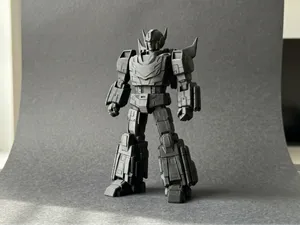
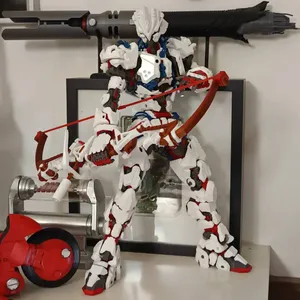


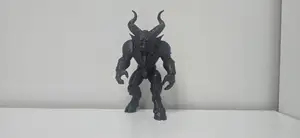
Combat robots and mecha figures differ mainly in how they are built. Combat designs are usually compact and assembled from a few chunky parts, while mech figures lean toward layered armour, joints and separate limbs. Desk buddies and fidget variants go the other way: fewer parts, rounded forms and simple articulation. Scale miniatures are a separate case, sized to a stated tabletop scale rather than to a printer bed.
Before printing, open the author's model page and read what is listed there: overall size and scale, number of parts, whether supports are needed, and the material and settings the author used. Photos of real prints are the most useful signal, since they show how joints fit and how thin walls behave. For multi-part figures, check whether the model expects glue, pins or screws, and whether parts are oriented for printing as exported.
Search terms can be broadened or narrowed depending on what you want. Try mech, mecha, combat robot, beetleweight or antweight, desk toy, articulated figure, robot arm or gripper. Adding a scale such as 28mm or 18mm helps when the model is meant for tabletop use, and adding a part type such as joint, hand or wheel narrows functional builds. Related topics include drones, RC chassis and sci-fi vehicles, which often share the same hardware and assembly habits.
完整的主题目录:从家居日用到CNC,均可在已接入的来源平台中搜索。