免费 
Support Foot for Makita Router (or others)
Thingiverse
This collection gathers STL files built around height adjustment: feet and legs, laser Z-axis mounts, printer brackets and support stands. It is useful when a part has to sit at a chosen level or be re-levelled after a change, and when a printed piece is easier to adapt than an off-the-shelf one. Most items are small enough for a desktop 3D printer, though some span several parts. Polyzon does not confirm whether models are free, their price, license, official status, affiliation, safety or fitness. Check the current terms at the source.
本合集的文字为英文,搜索本身支持任何语言。
 Polyzon合集 · 48个模型 来自5个平台
此合集由Polyzon根据已接入平台的搜索结果整理而成:去除重复项和没有预览图的模型,匹配度低的排在最后,其余按搜索结果顺序排列。模型归作者所有——请在各模型页面查看使用条款。
筛选规则:Polyzon编辑部 · 文字更新于2026年10月15日
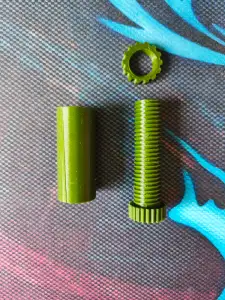

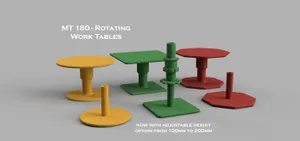
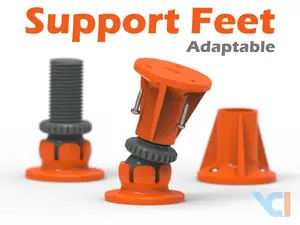
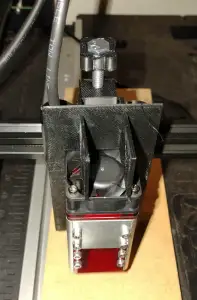

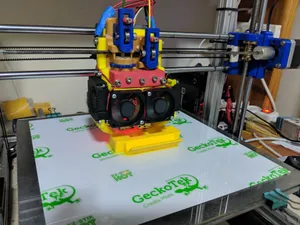
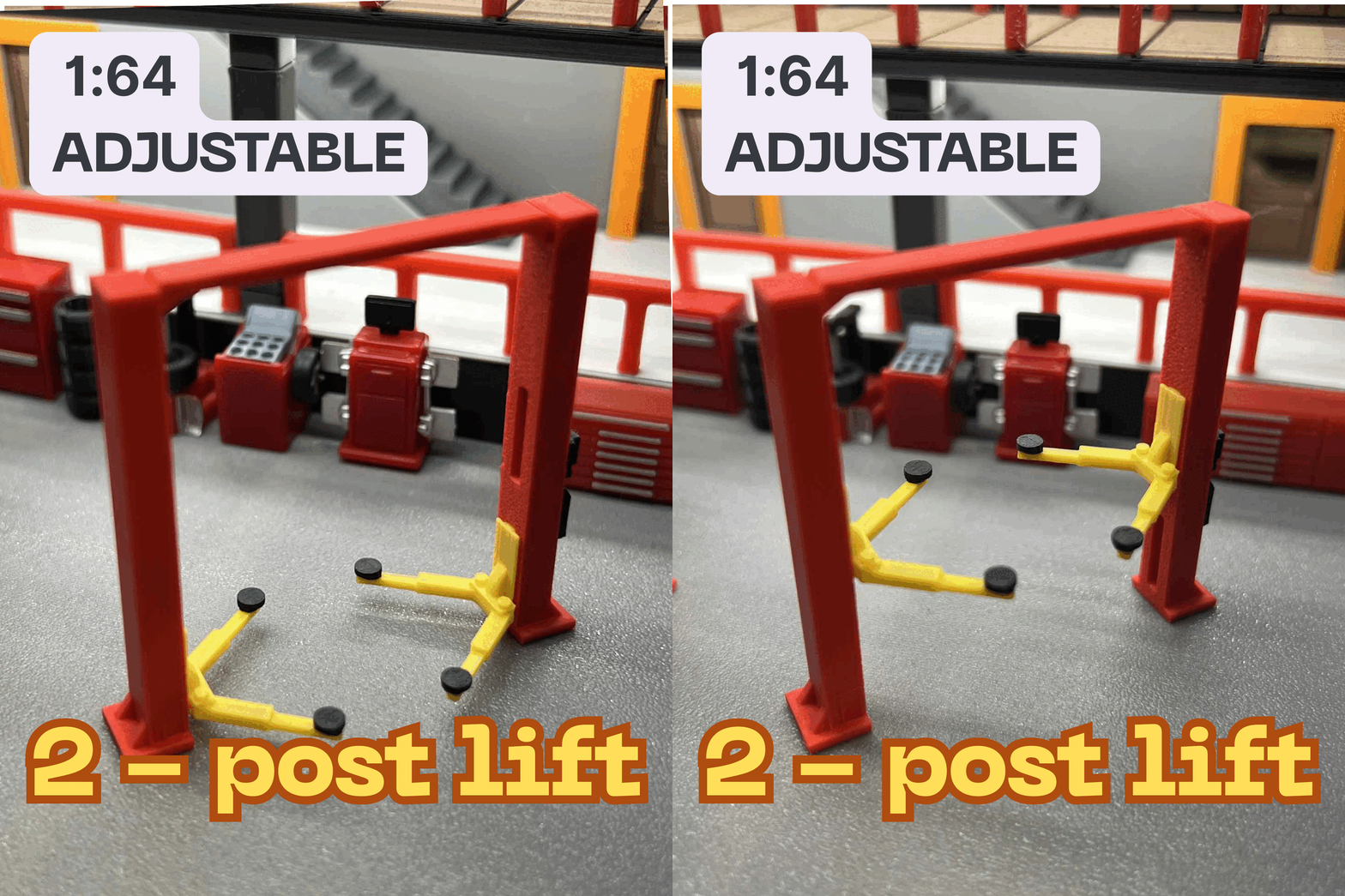
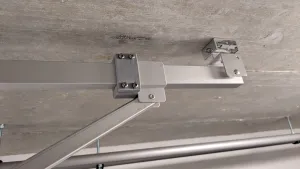

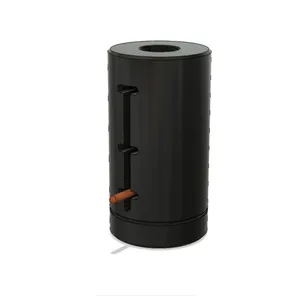
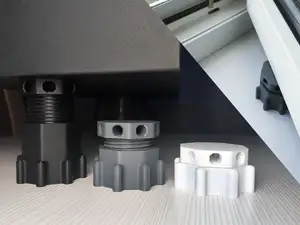
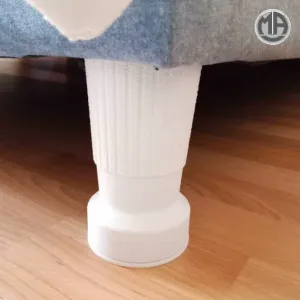

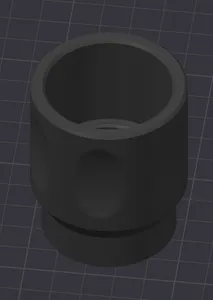
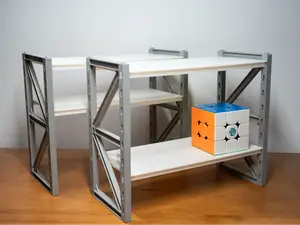
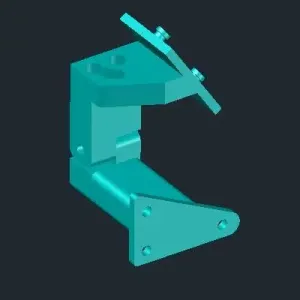


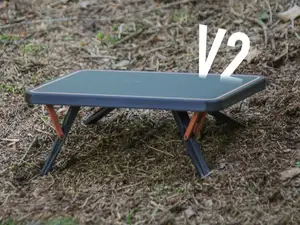
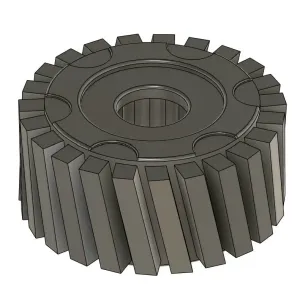

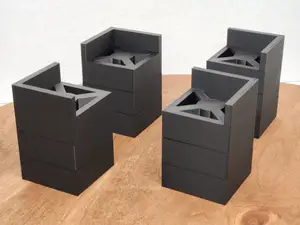


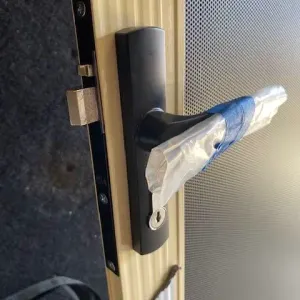

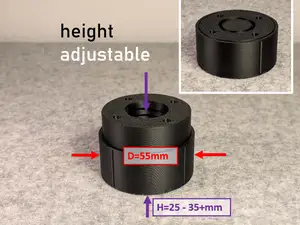
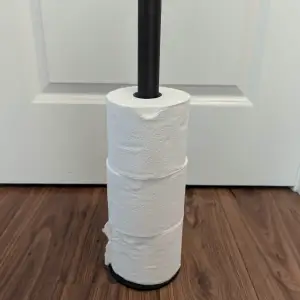

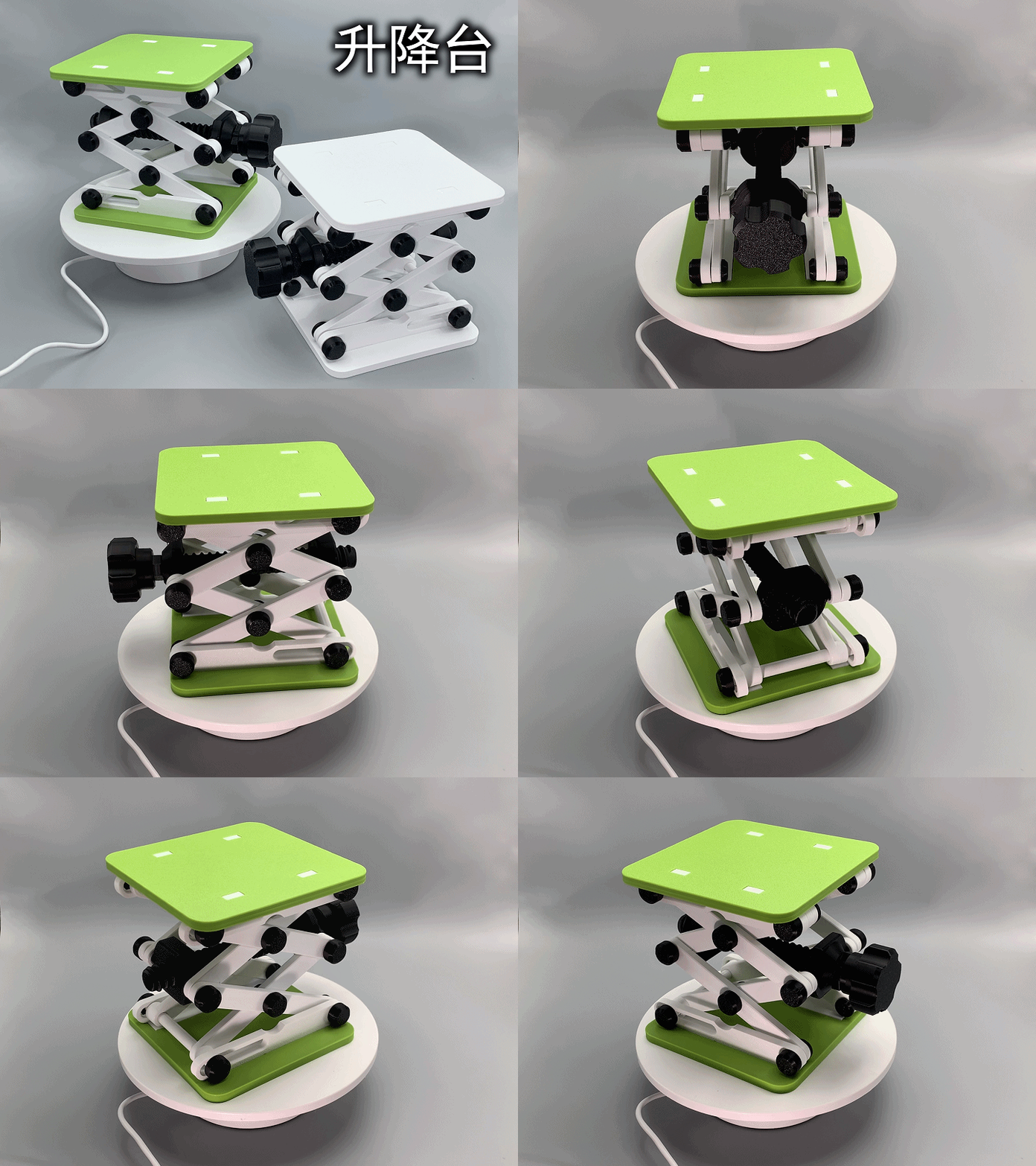
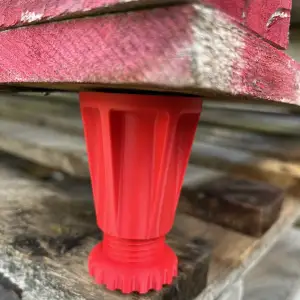

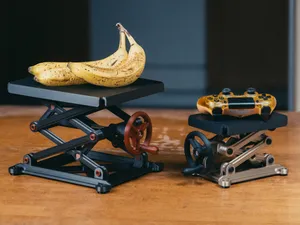
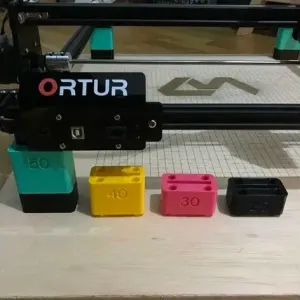

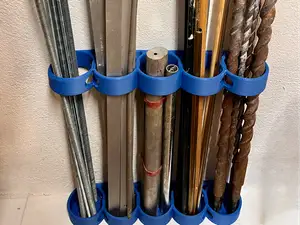
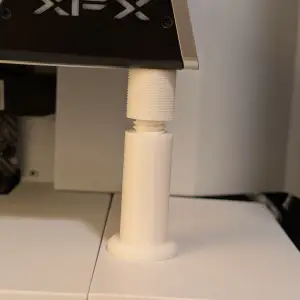

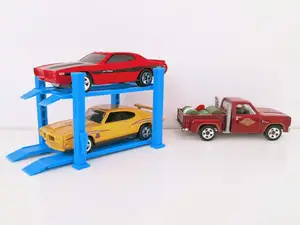
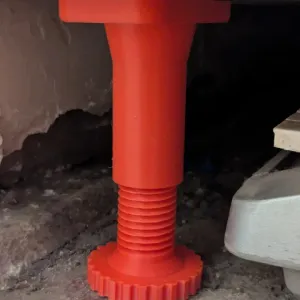

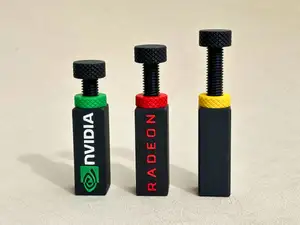
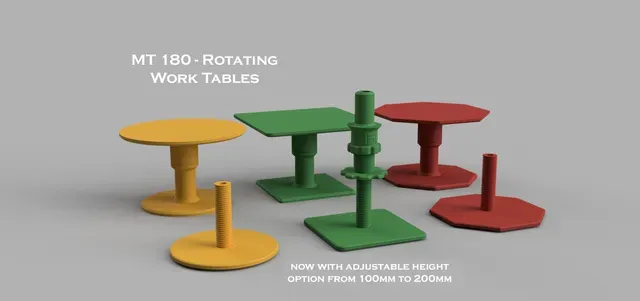
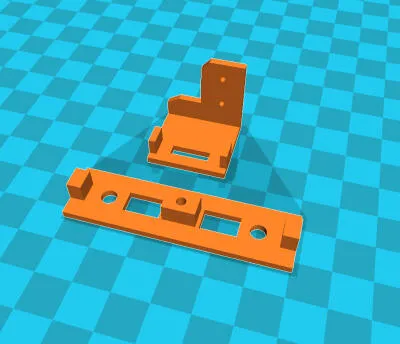
The models fall into a few groups. Feet, legs and levelling pads are usually simple threaded or telescoping shapes made for furniture, machines or frames. Laser and printer parts, such as Z-axis brackets, fan mounts and hotbed holders, are tied to a specific machine layout and often include a screw or slot for fine movement. Support brackets for graphics cards, routers and similar equipment sit in between: they hold a load at a set height and are shaped around the object they carry.
When choosing, read the model page rather than the thumbnail. Check the stated size and scale, how much travel the adjustment gives, how many parts are involved and whether they are printed or bought, and whether the author lists supports, material and print settings. Look at photos of real prints to judge how the thread, slot or clamp behaves. For threaded parts, layer orientation and clearance matter more than infill, since a tight fit can seize and a loose one will not hold a setting.
To narrow the results, search by the function rather than the object: levelling foot, adjustable leg, Z-axis bracket, height spacer, threaded insert holder. Related terms include levelling, riser, shim, standoff and telescopic. If you already know the machine or the item being supported, add that word to the query, then compare the remaining models by the dimensions and the adjustment range given on their pages.
完整的主题目录:从家居日用到CNC,均可在已接入的来源平台中搜索。


