

免费 
Универсальный шаровой шарнир с открытым исходным кодом (для повторного использования!)
Cults3D
This collection brings together STL hinge and joint models for 3D printing, ranging from box lids and enclosure doors to furniture pivots and vehicle linkage parts. You will find simple replacement pieces alongside print-in-place mechanisms that a standard 3D printer can produce. Use these files as a starting point when you need a custom hinge or a repair part. Polyzon does not confirm whether models are free, their price, license, official status, affiliation, safety or fitness. Check the current terms at the source.
本合集的文字为英文,搜索本身支持任何语言。
 Polyzon合集 · 48个模型 来自4个平台
此合集由Polyzon根据已接入平台的搜索结果整理而成:去除重复项和没有预览图的模型,匹配度低的排在最后,其余按搜索结果顺序排列。模型归作者所有——请在各模型页面查看使用条款。
筛选规则:Polyzon编辑部 · 文字更新于2026年10月9日


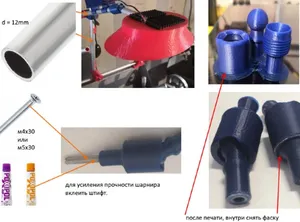


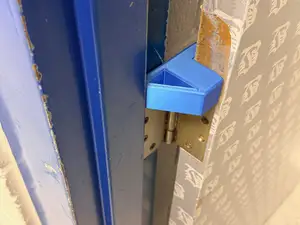


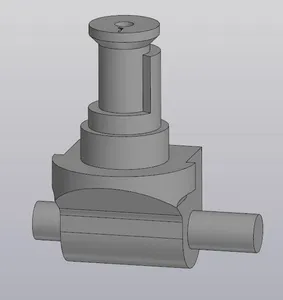


The models include print-in-place boxes and cases with integrated living hinges, as well as rigid pinned hinges for furniture and stands. Some are designed as exact replacements for specific equipment lids or automotive wiper linkages, while others are parametric templates you can scale to fit a new project. Living hinges usually require flexible filament, whereas rigid pinned versions print in PLA or PETG but need precise clearances to move freely.
Before downloading, check the author’s page for the stated size and scale, number of parts, and whether the model is meant to be printed as a single piece or assembled. Look for notes on support structures, recommended materials, and photos of real prints to judge layer orientation and durability. A hinge that carries weight, such as for a folding table or microphone stand, needs thicker pins and wider clearances than a light box lid.
If you need a specific application, try synonyms and related terms such as pivot, bracket, living hinge, flap, or linkage. Adding words like box, door, stand, or the equipment model can narrow results to functional replacements. For mechanical joints beyond simple rotation, search for articulated, folding, or kinematic mounts.


完整的主题目录:从家居日用到CNC,均可在已接入的来源平台中搜索。

