
免费 
Airbrush Station
Thingiverse
Station-themed 3D models split into two broad groups: functional benches and organizers for a workbench, and scale replicas of buildings or spacecraft. The functional side covers soldering, painting and tool storage, while the replica side covers train and gas stations in several scales. Both are common subjects for 3D printing, and the STL files differ mainly in part count and how much assembly they ask for. Polyzon does not confirm whether models are free, their price, license, official status, affiliation, safety or fitness. Check the current terms at the source.
本合集的文字为英文,搜索本身支持任何语言。
 Polyzon合集 · 47个模型 来自4个平台
此合集由Polyzon根据已接入平台的搜索结果整理而成:去除重复项和没有预览图的模型,匹配度低的排在最后,其余按搜索结果顺序排列。模型归作者所有——请在各模型页面查看使用条款。
筛选规则:Polyzon编辑部 · 文字更新于2026年10月13日




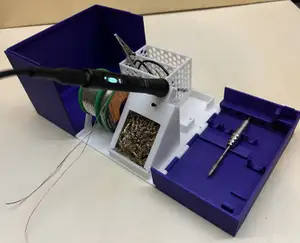


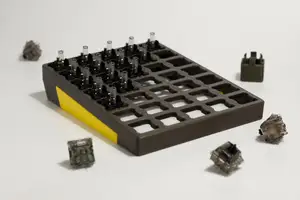
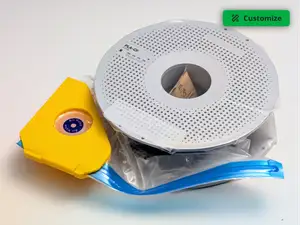


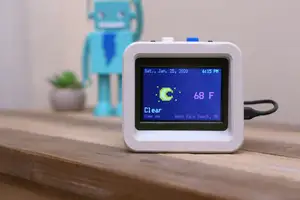
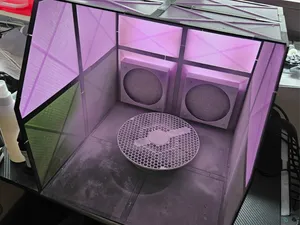


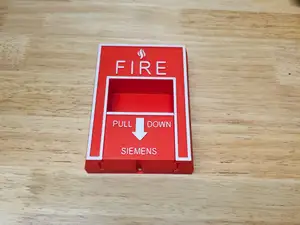


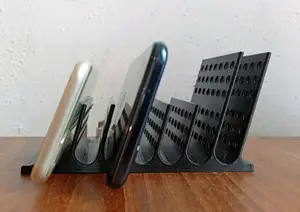
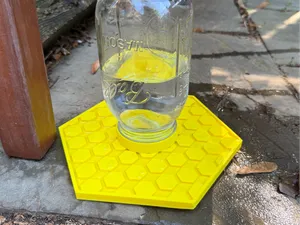



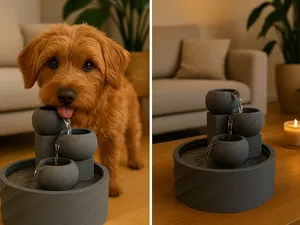


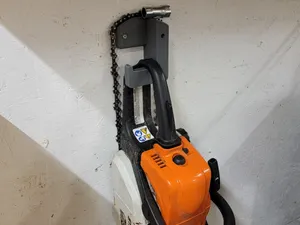


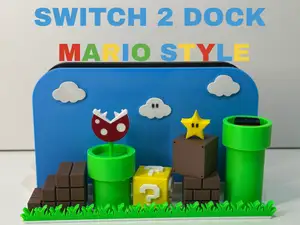


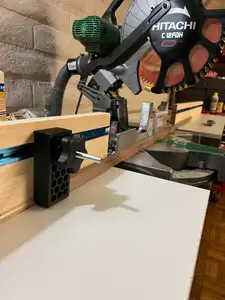
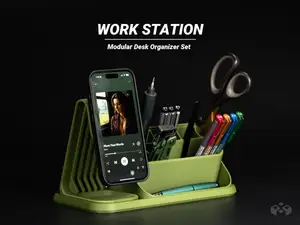
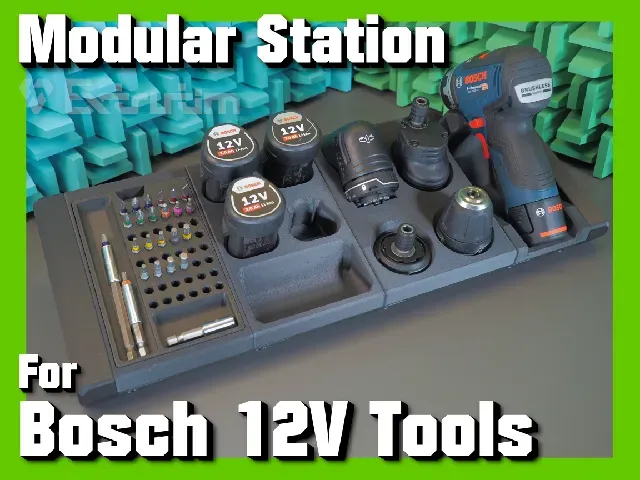
Functional stations are built around a specific task. Soldering models hold an iron, wire spool, tip cleaner or a controller board, and they are usually split into a base, inserts and small clamps so that tools sit at a fixed height. Paint and airbrush stations follow the same logic with trays, bottle holders and, in some sets, a curing enclosure. Organizers for a drill or a battery platform are shaped around one tool body, so the mounting geometry matters more than the outer look.
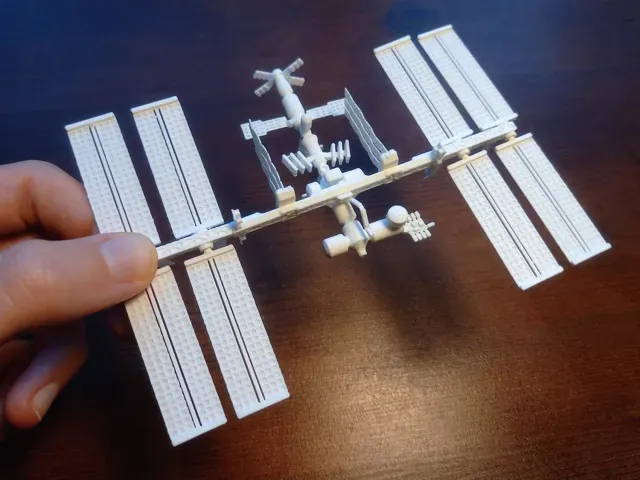
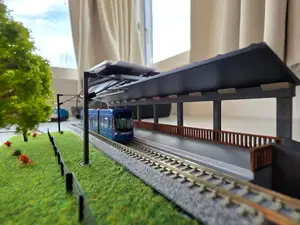
Replica stations are a different exercise. Train and gas station models appear in a wide spread of scales, from small tabletop sizes up to larger diorama scales, and the larger versions often come as assembly kits with separate walls, roofs, pumps or platforms. Space station models tend to be long, thin and symmetric, which makes them sensitive to orientation on the build plate. Console docking stands sit between the two groups: they are functional, but their shape is defined by the device they hold.
When choosing, open the model page and read what the author states: overall size and scale, number of parts, whether the model is a single print or an assembly kit, and whether supports are needed. Check the material and settings listed, since thin walls and tall columns behave differently in different filaments. For a closer search, try terms such as workbench organizer, tool holder, diorama building, scale model kit, controller stand or desk dock, and combine them with a scale or a device name.
For printing, look at the photos of real builds to judge wall thickness, overhangs and how the parts meet. Small inserts and clips often need tighter tolerances than the main body, so a test piece before the full set saves material. If a station is meant to hold something heavy, check how the base is weighted or how it is meant to be fixed to a surface.



完整的主题目录:从家居日用到CNC,均可在已接入的来源平台中搜索。