免费 
Trumpet Embouchure Training Practice Mouth Piece
Thingiverse
This collection gathers 3D-printable devices related to back training: stretching arches, scratchers, pulley rigs and core exercise aids. It is useful when you want a physical tool for home routines and prefer to print it yourself. Each listing is a starting point, so the scale and the settings come from the author's page. Polyzon does not confirm whether models are free, their price, license, official status, affiliation, safety or fitness. Check the current terms at the source.
本合集的文字为英文,搜索本身支持任何语言。
 Polyzon合集 · 46个模型 来自4个平台
此合集由Polyzon根据已接入平台的搜索结果整理而成:去除重复项和没有预览图的模型,匹配度低的排在最后,其余按搜索结果顺序排列。模型归作者所有——请在各模型页面查看使用条款。
筛选规则:Polyzon编辑部 · 文字更新于2026年10月15日

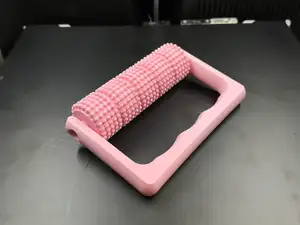
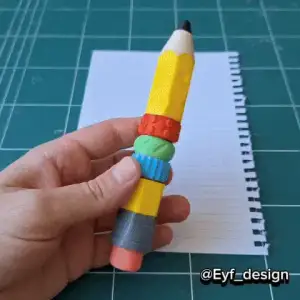

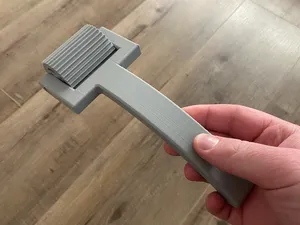
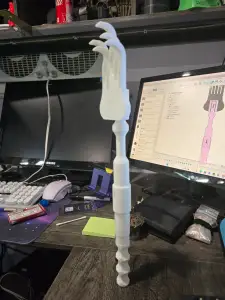

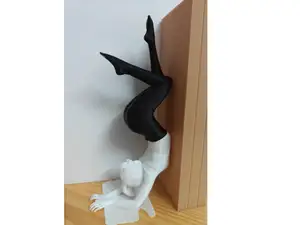
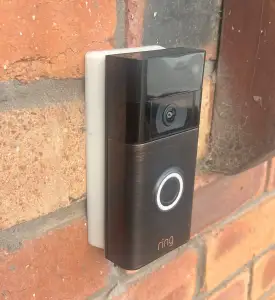

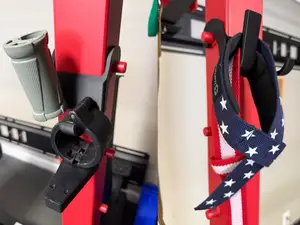
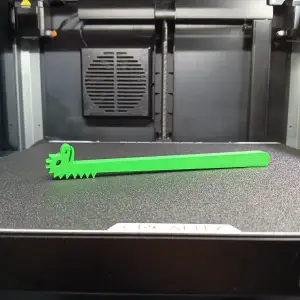

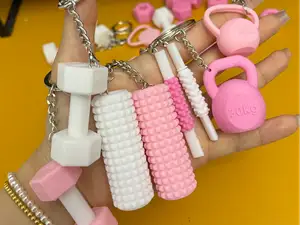


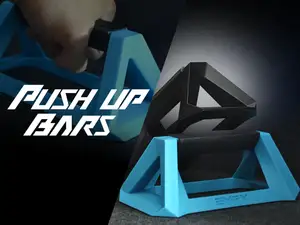
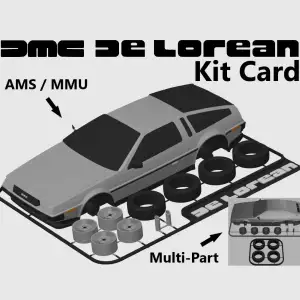

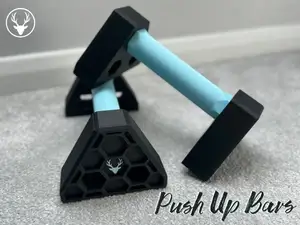


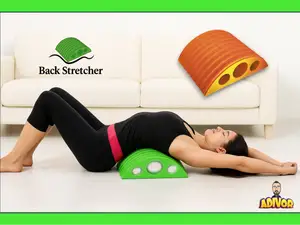
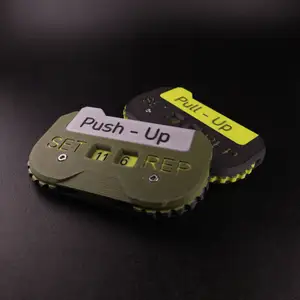
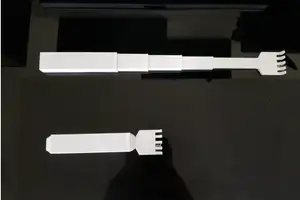
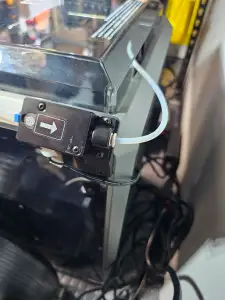

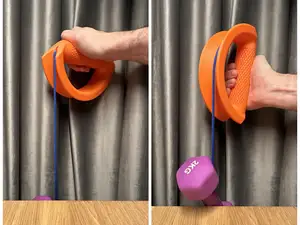

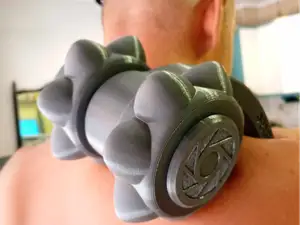


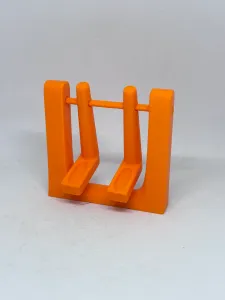

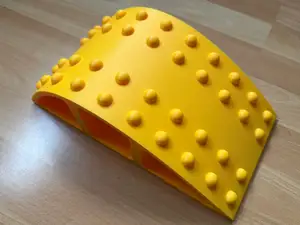

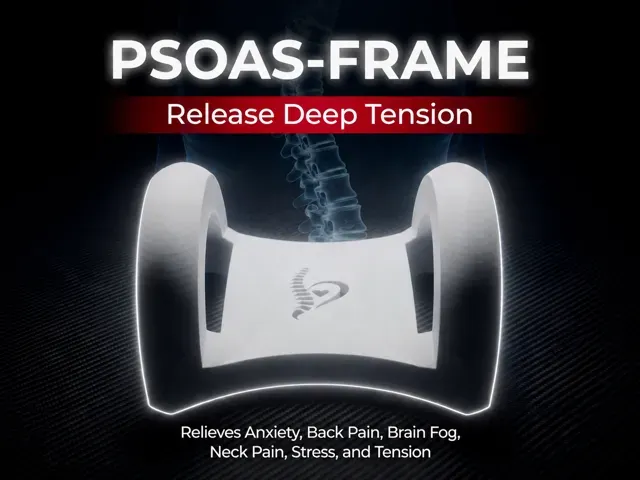
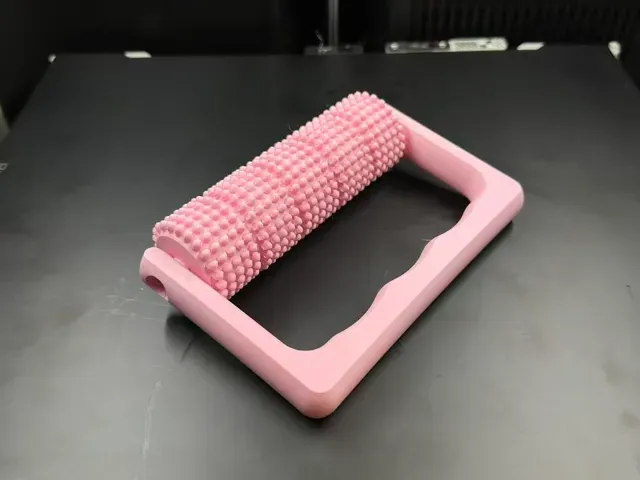
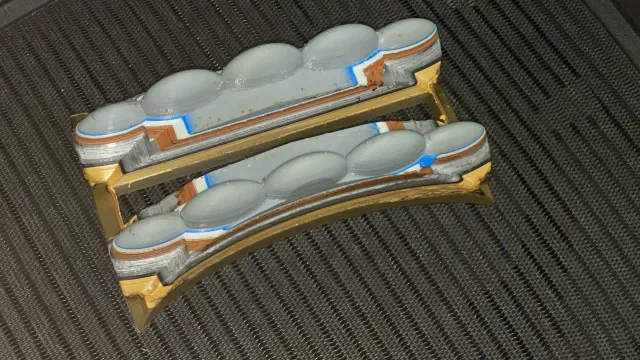
The models split into a few practical groups. Stretching arches and spine-shaped frames are usually one large piece, while pulley rigs and over-door setups consist of several parts that need assembly. Scratchers and handheld massage tools sit at the other end: small, often printed in one go, sometimes with a textured or segmented surface. Core and pelvic devices tend to be flat plates with markings or moving elements.
Before printing, open the author's page and check the dimensions against your own body measurements, since a stretching arch printed at the wrong scale changes how it works. Look at how many parts are involved, whether the file needs supports, and which material and layer height the author lists. Photos of real prints help you judge wall thickness and where stress concentrates, especially on handles, hooks and load-bearing joints.
To widen the search, try related terms such as spine stretcher, back roller, massage tool, posture aid, resistance band mount or door pulley. Combining a body area with a function works better than a single broad word. If you want a specific mechanism, search for the part name, for example pulley bracket, wall mount or grip handle, and then compare the results.
If nothing fits, adjust the scale in the slicer or remix an existing file, but recheck the proportions afterwards. Printing in a flexible filament changes how a scratcher or grip behaves, while rigid parts are common for arches and brackets. Keep the intended use in mind and test a small piece first when a model is new to you.




完整的主题目录:从家居日用到CNC,均可在已接入的来源平台中搜索。