免费 
schöne Vase mit Muster
Thingiverse
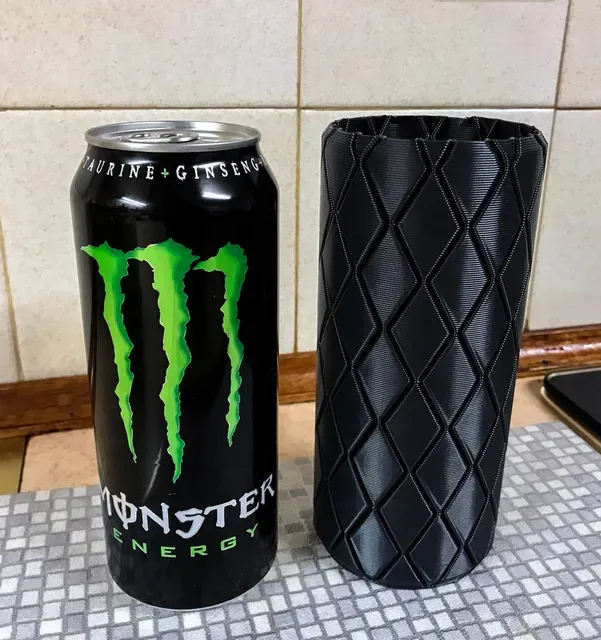
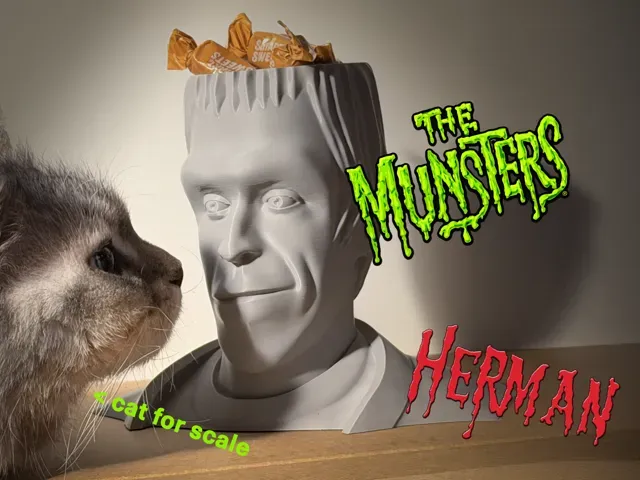
This collection gathers STL files for vases that lean on surface pattern: twisted ribs, floral reliefs, minimalist Japandi silhouettes and novelty monster shapes. It is useful if you want a 3D printing project that is mostly about form and surface rather than assembly. Many entries are single-wall designs, so the model page is where the real differences show up. Polyzon does not confirm whether models are free, their price, license, official status, affiliation, safety or fitness. Check the current terms at the source.
本合集的文字为英文,搜索本身支持任何语言。
 Polyzon合集 · 48个模型 来自4个平台
此合集由Polyzon根据已接入平台的搜索结果整理而成:去除重复项和没有预览图的模型,匹配度低的排在最后,其余按搜索结果顺序排列。模型归作者所有——请在各模型页面查看使用条款。
筛选规则:Polyzon编辑部 · 文字更新于2026年10月15日

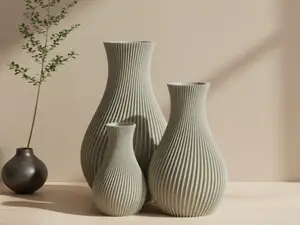
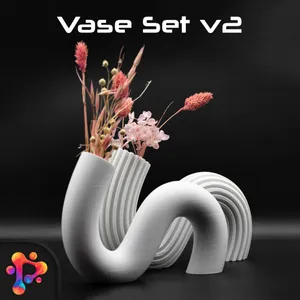

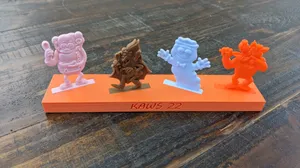
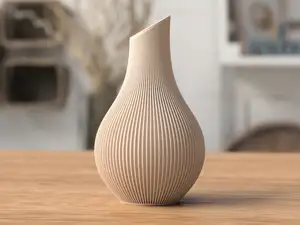
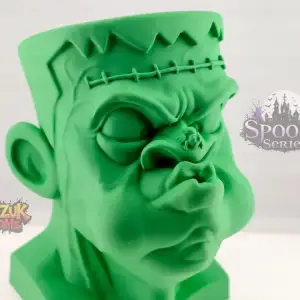

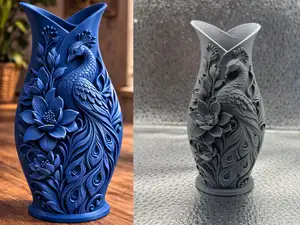
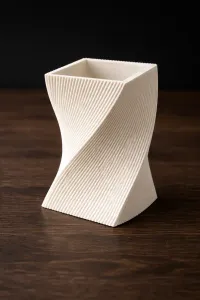

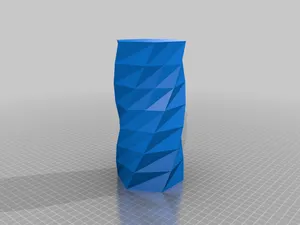
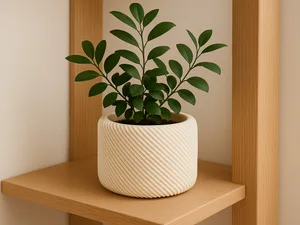
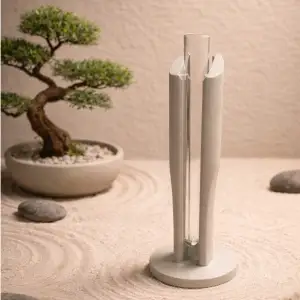

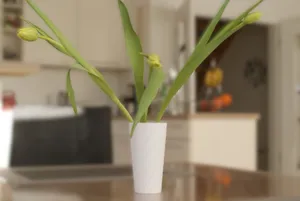
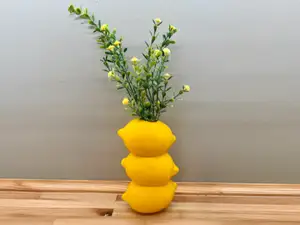
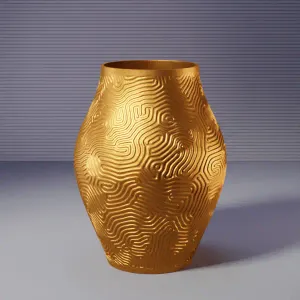
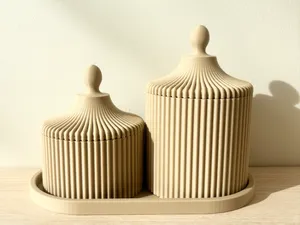
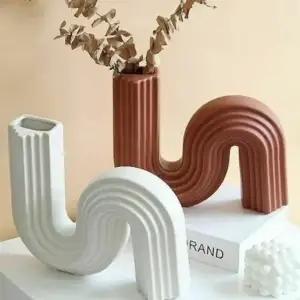
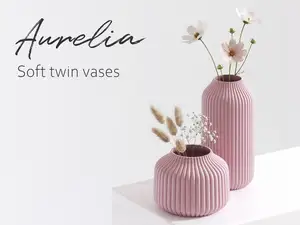
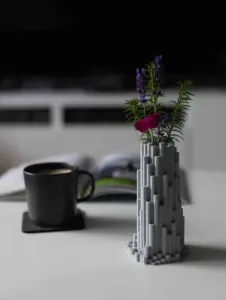
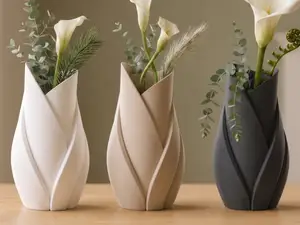
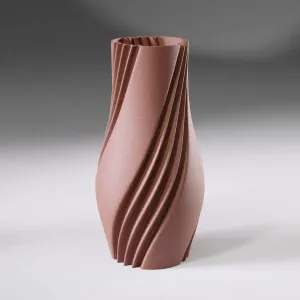
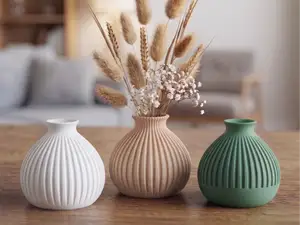
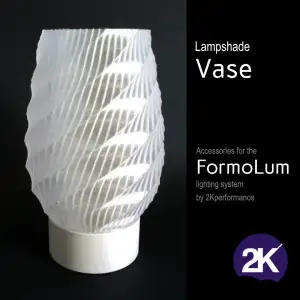
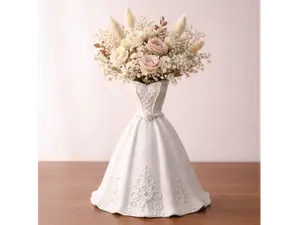
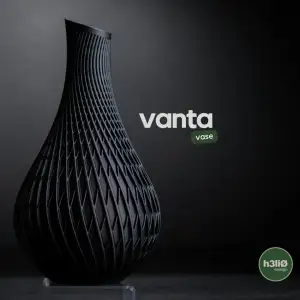
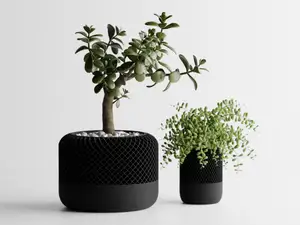
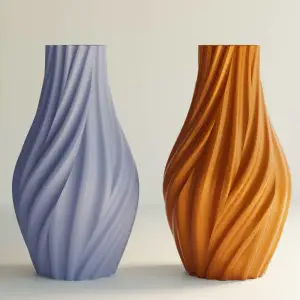
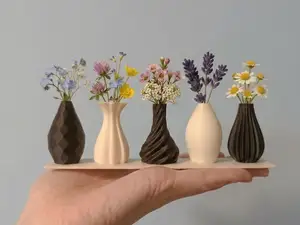
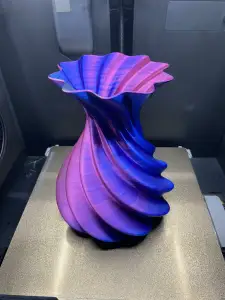
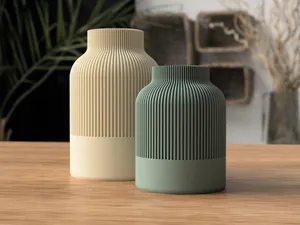
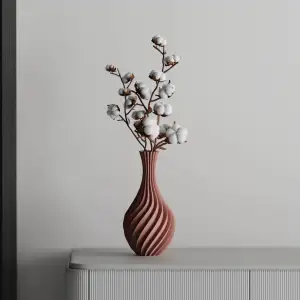
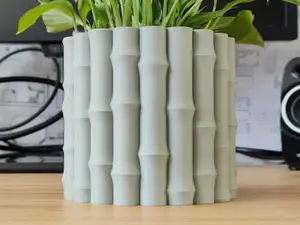
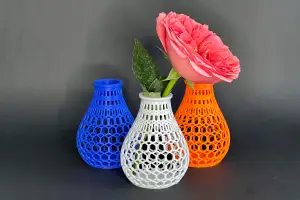
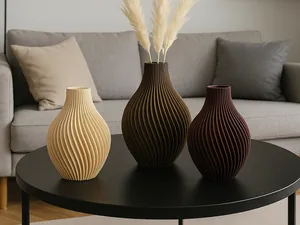
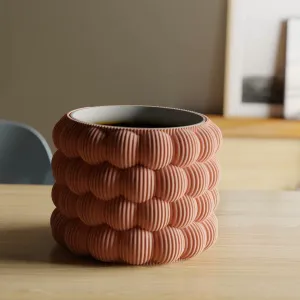
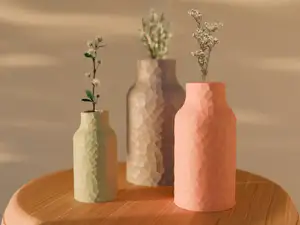
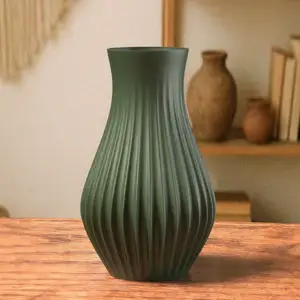
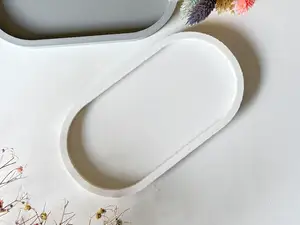
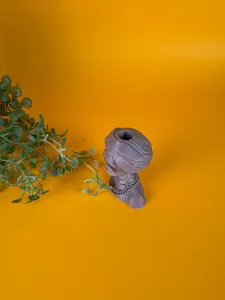
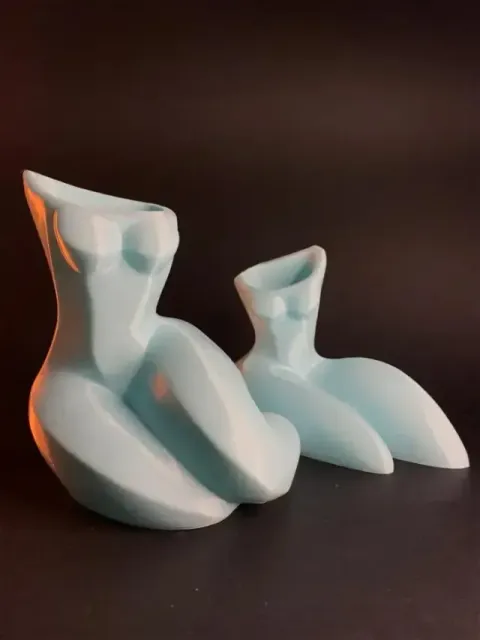
The range runs from strictly geometric vases with repeating ribs or twists to organic shapes with floral relief and cartoon-like monster forms. Some files are meant to be printed in vase mode as one continuous wall, while others are solid shells with thicker bases and a separate top opening. Upcycled designs take a jar or container as the insert and only the outer shell is printed.
When choosing, look at the wall thickness, the base diameter and the total height the author lists, because these decide how much filament a print takes and whether the vase will stand steady with a stem inside. Check whether the model needs supports, whether it is split into parts, and which material and layer height the author used. Photos of real prints are the quickest way to judge how a pattern actually reads once the layers are visible.
To narrow the results, try synonyms such as planter, pot, vessel or container, and combine them with surface words like ribbed, spiral, faceted or floral. Related searches include vase mode, single-wall, twisted and low-poly, and style terms such as Japandi, boho or geometric. If you want a themed piece, search for the character or motif rather than the word vase alone.
完整的主题目录:从家居日用到CNC,均可在已接入的来源平台中搜索。