
免费 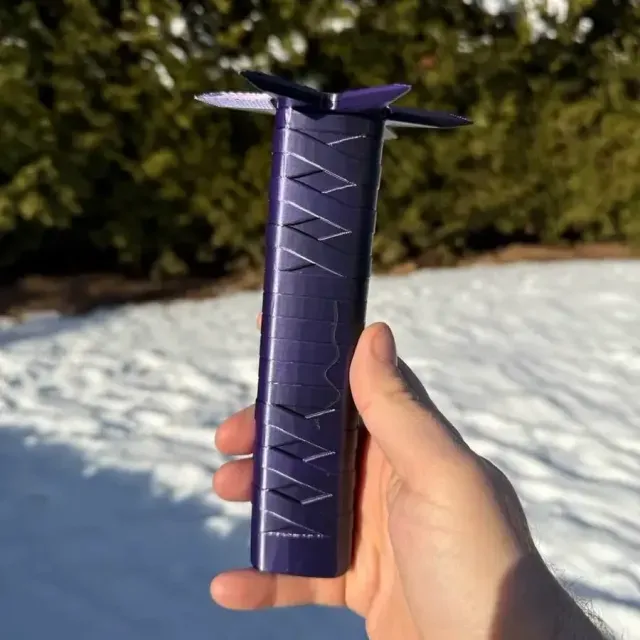
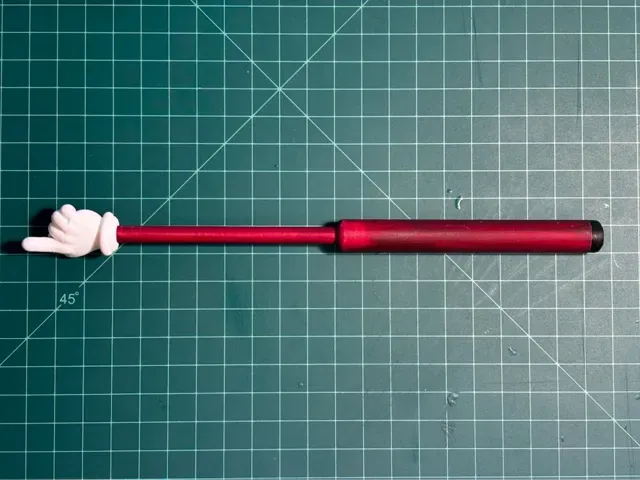
Extendable Shuriken Katana
Creality Cloud
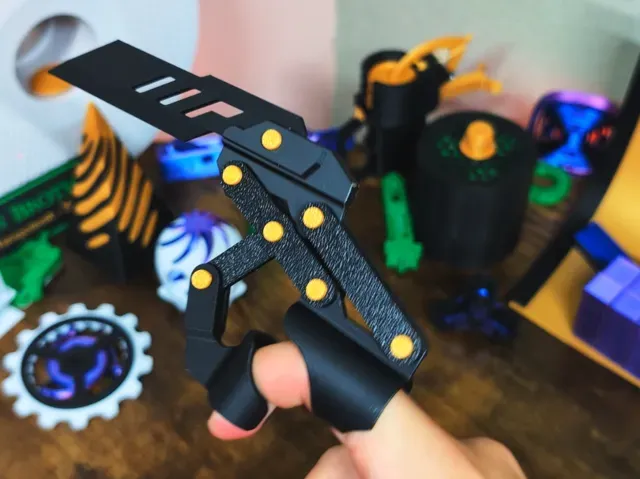
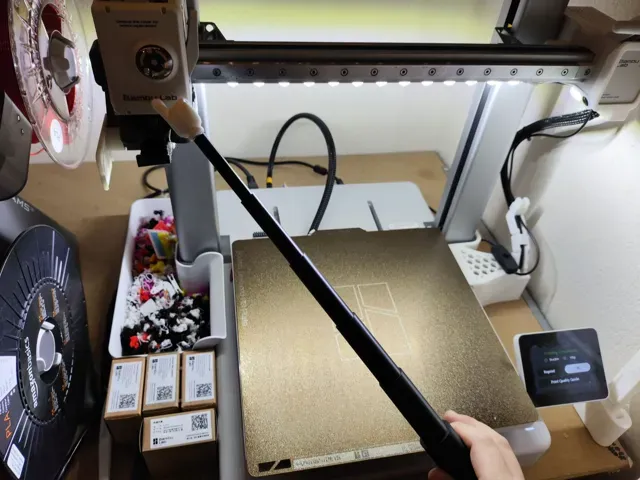
This collection gathers models that change length: telescoping blades, finger attachments, modular racks and holders. The parts usually slide or stack, so the printed result depends on clearances and how the sections are joined. It is a useful starting point if you want a moving prop or a storage piece that adapts to the space you have. Polyzon does not confirm whether models are free, their price, license, official status, affiliation, safety or fitness. Check the current terms at the source.
本合集的文字为英文,搜索本身支持任何语言。
 Polyzon合集 · 48个模型 来自5个平台
此合集由Polyzon根据已接入平台的搜索结果整理而成:去除重复项和没有预览图的模型,匹配度低的排在最后,其余按搜索结果顺序排列。模型归作者所有——请在各模型页面查看使用条款。
筛选规则:Polyzon编辑部 · 文字更新于2026年10月14日


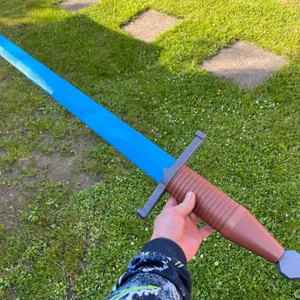
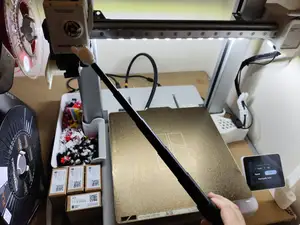
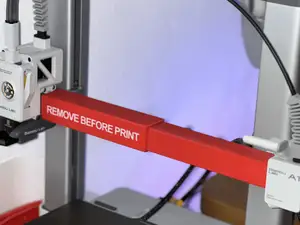
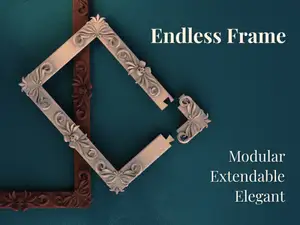

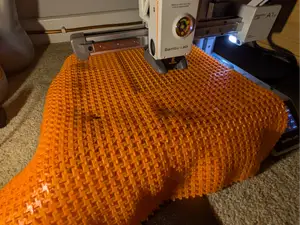
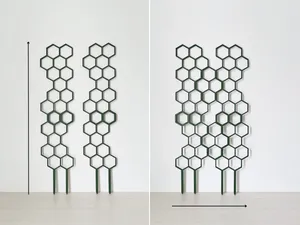
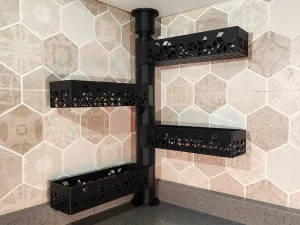


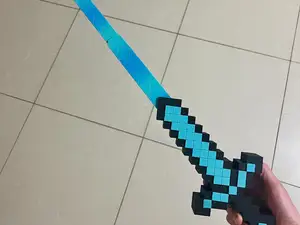
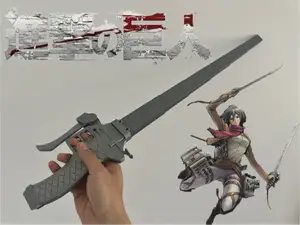

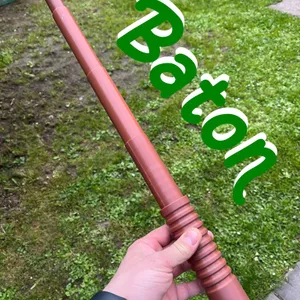

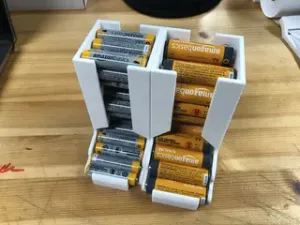

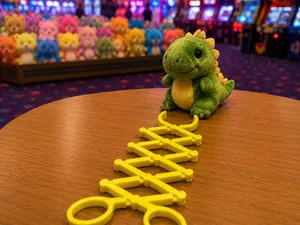
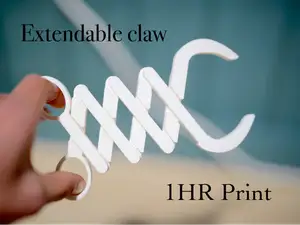

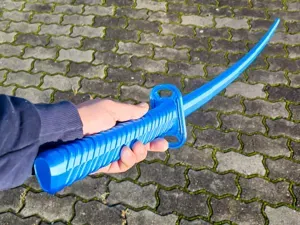
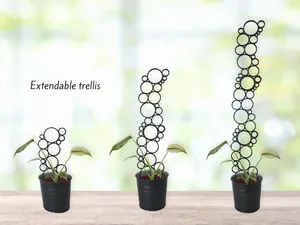


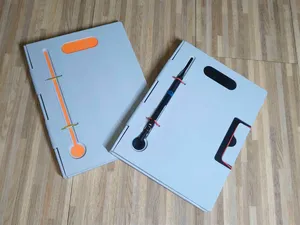
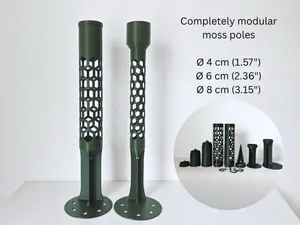
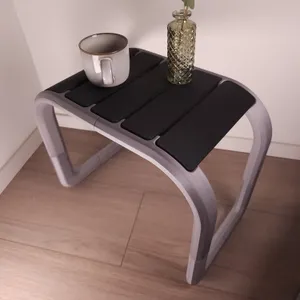


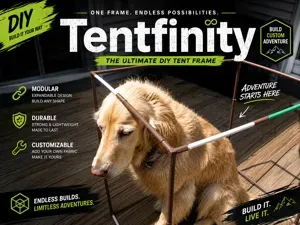
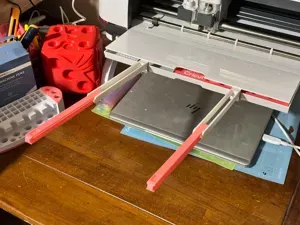
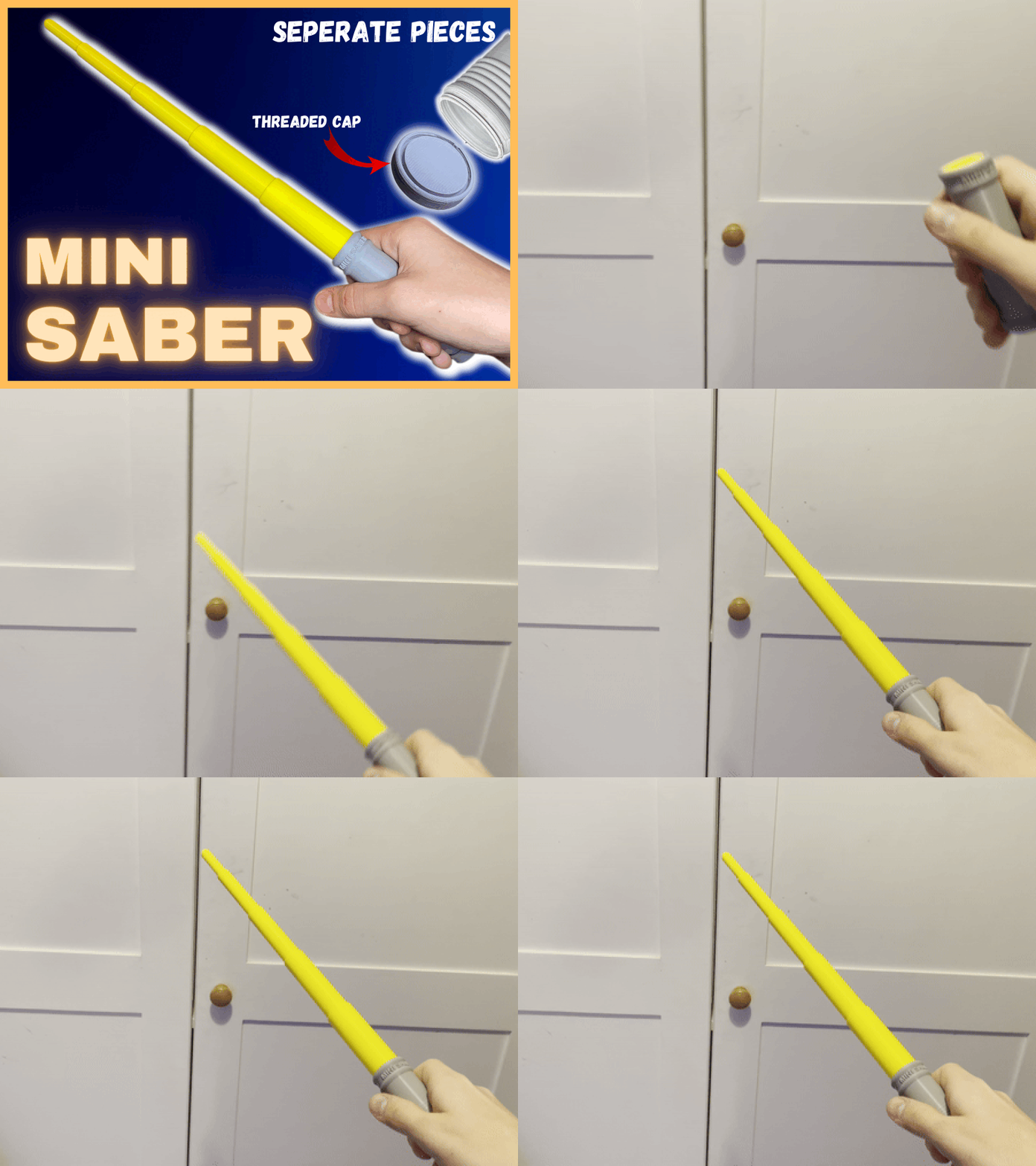


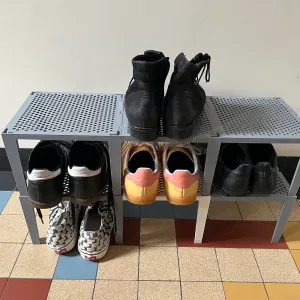
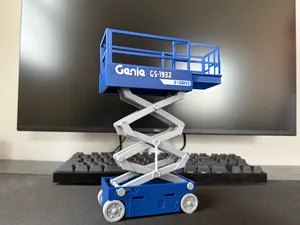
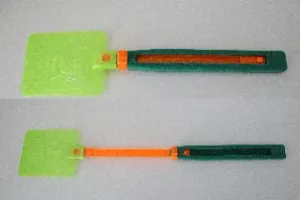
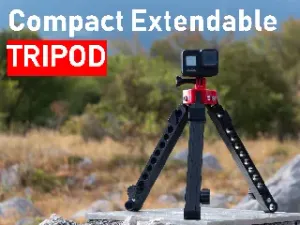
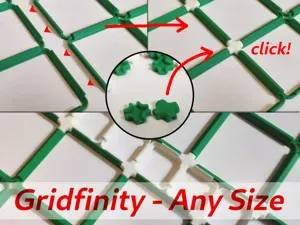

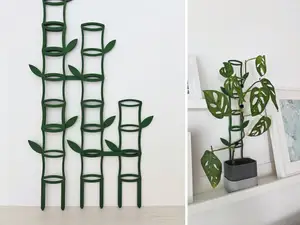
Several groups appear here. Telescoping swords, batons and similar props rely on nested sections that slide inside one another. Finger and claw attachments work on a smaller scale, with segments that extend when the hand moves. Racks, chains and organizers take another approach: identical modules repeat or link, so the length is set by how many pieces you print. Collapsing frames and printed fabric show the same idea in flat or flexible form.
When choosing a model, read the author's page for the number of parts, the assembly order and the tolerances the sections need. Sliding parts are sensitive to printer calibration and material choice, since friction and shrinkage decide whether the pieces move or jam. Check whether supports are required, what layer height and material the author lists, and look at photos of real prints to judge the gaps. For larger pieces, confirm the print bed size and whether the model is split for smaller machines.
If the results are thin, try related wording: telescoping, retractable, collapsible, sliding, modular, snap-fit, nesting or stackable. Searching by function also helps, for example pointer, baton, rack, stand, holder or trellis, and combining that with the object it is meant to hold. Browsing a category such as toys, tools or home storage often surfaces the same mechanism in a different shape.



完整的主题目录:从家居日用到CNC,均可在已接入的来源平台中搜索。