免费 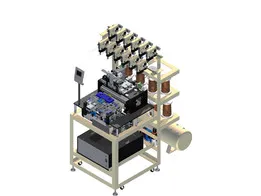
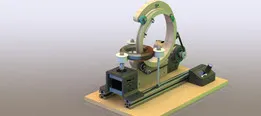
multiple chucks coil winding machine
GrabCAD
This collection gathers 3D-printable parts for winding coils, from motorized and CNC-driven machines to hand jigs, mandrels and drill adapters. The models cover toroidal, serpentine and flat coil shapes as well as small winding tools. It is useful when you build or repair transformers, inductors or experimental coils and need a holder or drive that fits your wire and core. Polyzon does not confirm whether models are free, their price, license, official status, affiliation, safety or fitness. Check the current terms at the source.
本合集的文字为英文,搜索本身支持任何语言。
 Polyzon合集 · 47个模型 来自6个平台
此合集由Polyzon根据已接入平台的搜索结果整理而成:去除重复项和没有预览图的模型,匹配度低的排在最后,其余按搜索结果顺序排列。模型归作者所有——请在各模型页面查看使用条款。
筛选规则:Polyzon编辑部 · 文字更新于2026年10月11日


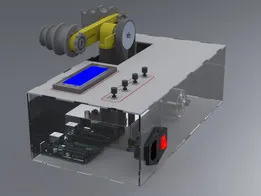


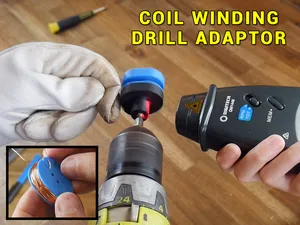


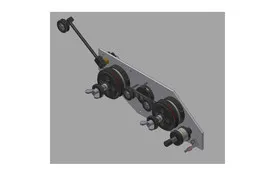


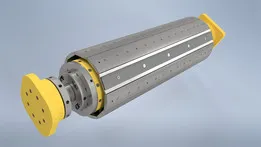


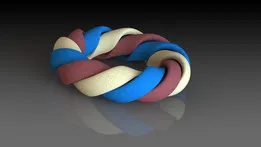
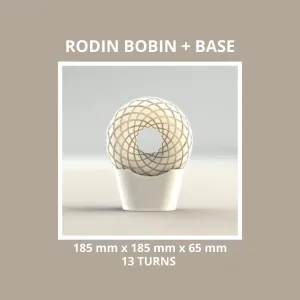
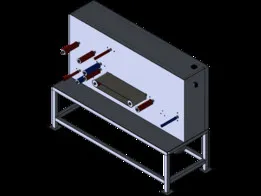


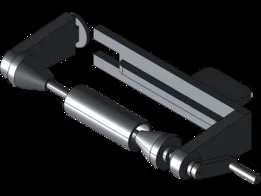
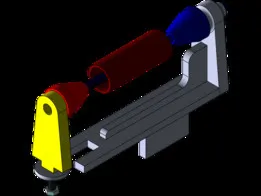

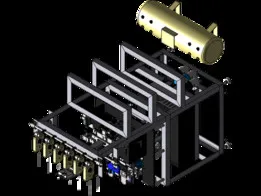

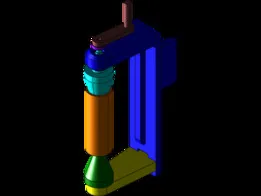


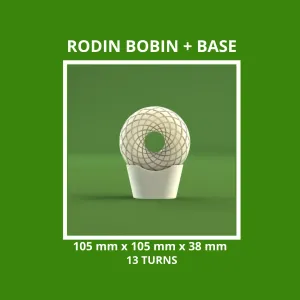
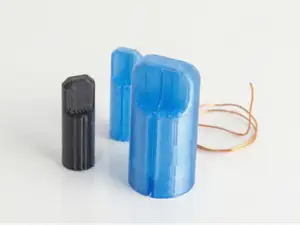
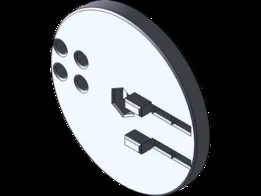


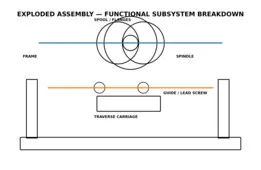

The range splits roughly into driven machines and manual aids. Driven designs use printed frames, chucks, gears and rodin-style guides around a motor or a CNC axis, while manual aids are simpler: mandrels, tensioners, winding stations and supports that hold a core steady while you turn the wire by hand. Adapters that clamp into a drill or screwdriver sit in between and turn an existing tool into a winder.
Before printing, read the author's page for the wire diameter and core size the part was drawn around, since a mandrel or chuck that fits one coil former may not fit yours. Check how many parts need assembly, which fasteners and bearings are required, and whether the model expects printed threads or inserts. Look at photos of real prints to judge wall thickness on load-bearing arms, and note the material and settings the author lists, because parts under tension benefit from a stiffer filament and more perimeters.
To widen the search, try terms such as winding jig, coil former, mandrel, toroid winder, transformer bobbin or wire tensioner, and combine them with the machine type you have. Related topics include inductor and transformer housings, wire guides, spool holders and CNC axis mounts, which often appear as separate models that can be combined with a winder. If a result is close but not exact, look at remixes and derivatives of the same design.



完整的主题目录:从家居日用到CNC,均可在已接入的来源平台中搜索。